


Why Reforestation and Land Clearing Companies Need Specialized Forestry Insurance
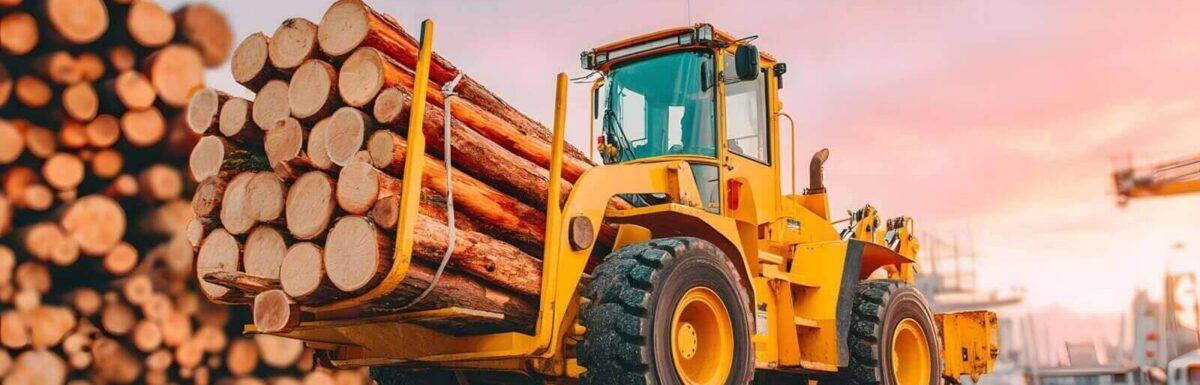
Reforestation and land clearing operations occupy a unique and often misunderstood corner of the timber sector. These companies work in environments that combine the physical demands of traditional logging with the regulatory complexity of environmental stewardship. The work involves heavy machinery, remote job sites, fluctuating weather, and constant interaction with property owners, public agencies, and contractors from adjacent industries. Standard business policies were never designed for this kind of work, which is why specialized Forestry Insurance has become a necessary foundation for any company operating in these fields.
Distinct Operational Realities Call for Tailored Coverage
Reforestation and land clearing companies face exposures that differ meaningfully from those of a typical commercial enterprise. A reforestation crew may spend weeks planting seedlings across rugged terrain, while a land clearing team might be removing stumps and brush ahead of a major construction project. Each activity carries its own pattern of risk, and each requires coverage structured around the specific work being performed.
Forestry Insurance addresses these realities by combining several coverage categories into a single, cohesive program. Rather than asking a business owner to assemble protection from a patchwork of generic policies, a Forestry Insurance plan brings together general liability, commercial property, workers' compensation, commercial auto, inland marine, and umbrella coverage in a way that reflects the actual flow of forestry work. The result is a policy structure that anticipates the conditions employees and equipment will face every day.
The Physical Risks of Working in Remote and Variable Environments
Field operations introduce hazards that are difficult to control. Crews work on slopes, in dense undergrowth, and under canopies where falling branches and unstable footing are constant concerns. Equipment is often miles from the nearest paved road, which complicates emergency response and slows the recovery of damaged machinery. Weather changes can transform a manageable site into a dangerous one within hours.
Forestry Insurance is built with these realities in mind. Workers' compensation coverage embedded within a Forestry Insurance program ensures that employees injured on the job receive medical attention, rehabilitation support, and wage replacement during recovery. This is critical in an industry where injuries can range from minor strains to serious accidents involving chainsaws, falling timber, or heavy mobile equipment. Without proper coverage, even a single incident can disrupt operations and expose the business to extended litigation.
Equipment Vulnerabilities and the Need for Inland Marine Protection
Equipment is one of the largest investments a reforestation or land clearing company makes. Mulchers, skid steers, chippers, brush cutters, chainsaws, and seedling transport vehicles all represent substantial capital. These tools rarely remain in a single location. They move between job sites, sit in temporary storage areas, and travel along public and private roads, which means they face risks that traditional commercial property policies typically exclude.
Inland marine coverage within a Forestry Insurance policy fills that gap. It protects equipment from damage caused by fire, theft, vandalism, and accidents that occur while assets are in transit or stored off-site. For companies that manage fleets of mobile machinery, this component of Forestry Insurance is not an optional add-on. It is a core element of operational continuity, since the loss of a key piece of equipment can halt projects and delay billing for weeks.
Environmental and Third-Party Liability Exposures
Reforestation and land clearing companies operate in close proximity to property lines, water sources, public roads, and protected habitats. A misjudged tree fall, an accidental fuel spill, or unintentional damage to a neighboring parcel can trigger costly claims and regulatory scrutiny. The work itself, while productive and valuable, carries an inherent potential to affect surrounding land and people.
General liability coverage within a Forestry Insurance plan responds to these exposures. It covers third-party bodily injury, property damage, and personal injury claims that arise from daily operations. This protection becomes especially important when companies work on contracts that require proof of coverage before any equipment moves onto a site. A robust Forestry Insurance program signals to clients, partners, and regulators that the business takes its obligations seriously and is financially prepared to address mistakes when they occur.
Vehicle Exposures and the Role of Commercial Auto Coverage
Vehicles play a constant role in reforestation and land clearing work. Crews travel to remote locations, haul equipment between sites, and move materials such as mulch, seedlings, brush, and debris. Commercial auto coverage within a Forestry Insurance policy protects these vehicles and the people who operate them. It addresses physical damage to the vehicle, liability for accidents, medical payments, and exposure to uninsured motorists.
Because forestry vehicles often share rural roads with other heavy equipment, livestock haulers, and unfamiliar drivers, the likelihood of incidents is higher than in many urban commercial settings. A well-designed Forestry Insurance program accounts for these conditions and ensures that auto exposures are not handled through ill-fitting standard policies.
Why Off-the-Shelf Insurance Falls Short
Many business owners assume that a general commercial policy will cover most of what their reforestation or land clearing company needs. In practice, that assumption often produces gaps that only become visible when a claim is filed. Standard policies frequently exclude high-risk industries, limit coverage on mobile equipment, or impose conditions that do not match how forestry crews actually work.
Forestry Insurance is structured to eliminate those gaps. It recognizes the realities of the industry and provides language and limits appropriate to forestry-specific exposures. The most common shortcomings of generic policies that Forestry Insurance corrects include the following:
- Coverage that excludes work involving chainsaws, fellers, or other high-risk equipment commonly used in reforestation and land clearing
- Property limits that do not extend to assets in transit or stored at remote job sites
- Liability terms that fail to address environmental incidents, brush fires, or property damage caused by falling timber
- Workers' compensation classifications that misrepresent the actual risk profile of the work
- Auto policies that lack adequate coverage for vehicles operating in rural and off-road conditions
- Umbrella terms that do not stack appropriately on top of forestry-specific underlying coverage
These limitations are not minor administrative details. They can leave a business exposed to losses that threaten its ability to continue operating after a serious incident.
Supporting Long-Term Growth and Operational Stability
A reforestation or land clearing company that invests in proper Forestry Insurance creates a foundation for steady, predictable growth. Clients increasingly require proof of comprehensive coverage before awarding contracts, especially on projects involving public agencies, large developers, or environmentally sensitive sites. Having appropriate Forestry Insurance in place removes a barrier to winning that work.
Equally important, well-structured coverage supports operational stability during difficult moments. When an unexpected event occurs, the company can rely on its policy to absorb financial shock, support injured employees, and resolve disputes without diverting cash from payroll or growth initiatives. Forestry Insurance, in this sense, functions as much more than a risk transfer mechanism. It is part of the infrastructure that allows the business to plan confidently for the future.
Conclusion
Reforestation and land clearing companies provide essential services that shape the health and productivity of forests, farmland, and developed property alike. The work is rewarding, but it carries levels of risk that demand purposeful, specialized protection. Generic insurance products simply cannot anticipate the specific hazards these companies face, and the cost of a gap in coverage can be severe. Specialized Forestry Insurance addresses these exposures comprehensively, protecting employees, equipment, third parties, and the long-term viability of the business itself. At Burton & Company, we work with reforestation crews, land clearing contractors, and forestry operations of every size to design tailored insurance programs that match the demands of the work. Our experienced agents understand the industry and bring practical, well-structured solutions to every client engagement. Explore our forestry coverage options and request a quote at https://burtonandcompany.com/specialty-insurance/forestry/.

 English
 Arabic
 French
 Spanish
 Portuguese
 Deutsch
 Turkish
 Dutch
Dutch
 Italiano
 Russian
 Romaian
 Portuguese (Brazil)
