


Can I File Bankruptcy on Medical Bills? Medical Bills and Bankruptcy: What You Should Know
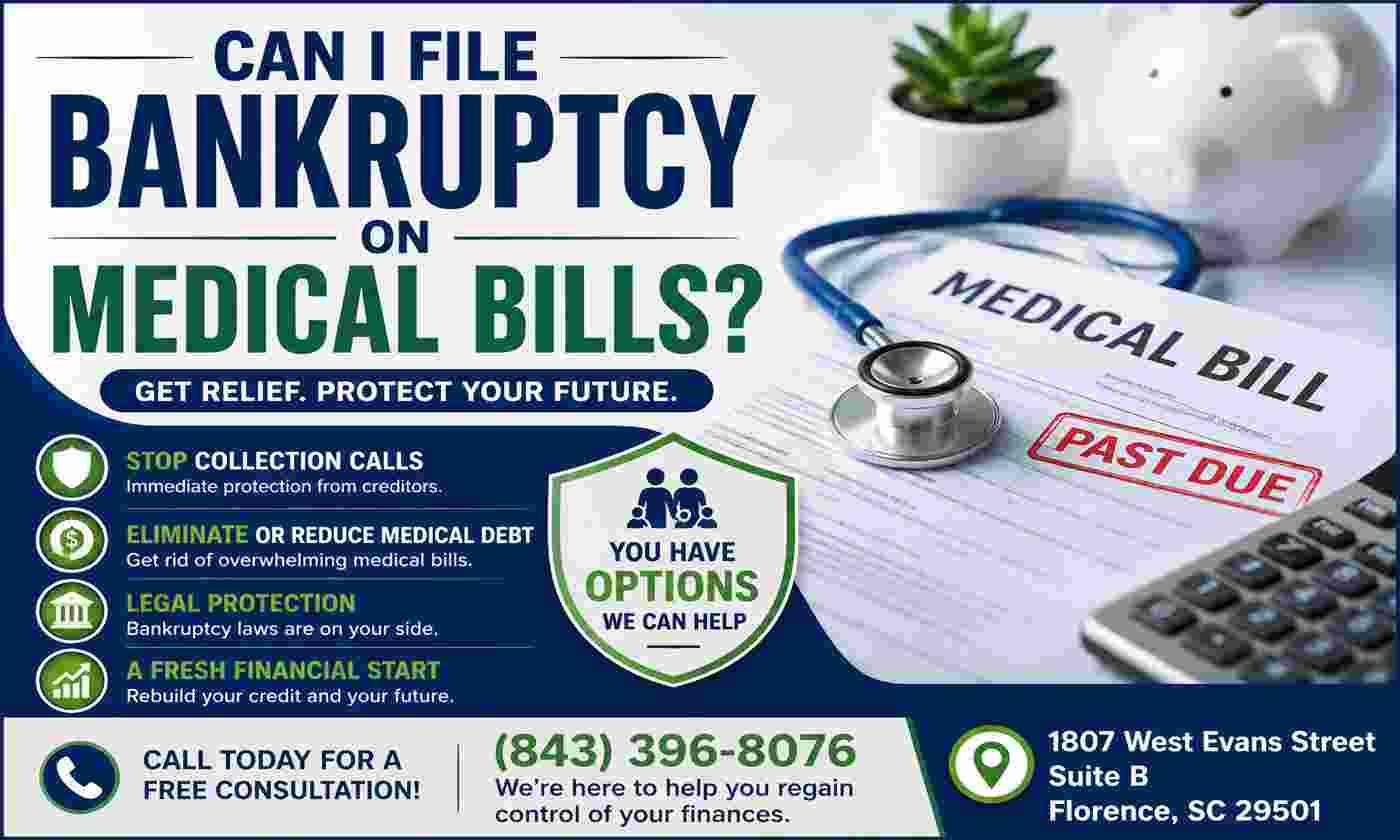
Medical costs can become overwhelming faster than many people expect. A sudden accident, emergency surgery, or long-term illness may leave individuals facing thousands of dollars in unpaid healthcare expenses. As financial pressure increases, many begin asking an important question: “Can I file bankruptcy on medical bills?” Understanding how bankruptcy works with medical debt can help you make informed financial decisions during difficult times.
Why Medical Debt Becomes a Serious Problem
Medical debt often affects people unexpectedly. Even individuals with stable jobs and insurance coverage can struggle with deductibles, co-pays, prescription costs, and uncovered treatments. Unlike other debts that build gradually, healthcare expenses can appear all at once and create immediate financial hardship.
When payments are missed, medical providers or collection agencies may begin contacting patients for repayment. Over time, unpaid balances can damage credit scores and lead to additional financial stress.
Can I File Bankruptcy on Medical Bills?
Yes, in many cases, medical bills can be included in a bankruptcy filing. Since medical debt is usually unsecured, it may qualify for discharge depending on the type of bankruptcy filed and the individual's financial situation.
Bankruptcy is designed to help individuals who can no longer manage their debts. It may provide legal protection and create an opportunity to reset finances after overwhelming medical expenses.
How Bankruptcy Protects You From Creditors
One major benefit of bankruptcy is the automatic stay. Once a bankruptcy case is filed, creditors are temporarily prohibited from taking collection actions against you. This can stop:
-
Collection phone calls
-
Medical debt lawsuits
-
Wage garnishments
-
Bank account levies
-
Harassing collection letters
For many people, this protection provides immediate relief from constant financial pressure.
Understanding the Different Bankruptcy Options
Chapter 7 Bankruptcy
Chapter 7 bankruptcy focuses on eliminating qualifying unsecured debts. Medical bills are commonly discharged through this process. Individuals with limited income may qualify for Chapter 7 after completing a financial evaluation known as the means test.
This option may allow people to clear medical debt and move forward financially.
Chapter 13 Bankruptcy
Chapter 13 bankruptcy works differently by creating a repayment plan based on income and expenses. Instead of immediate debt elimination, individuals make affordable monthly payments over several years.
This option may be beneficial for people who want to protect valuable property while managing medical debt more effectively.
Common Misunderstandings About Medical Bankruptcy
Many people believe bankruptcy only applies to individuals with irresponsible spending habits. In reality, medical debt affects people from all financial backgrounds. Unexpected health issues can create financial hardship for anyone.
Another common misconception is that filing bankruptcy means losing everything you own. Bankruptcy laws often include exemptions that help protect certain personal assets, depending on state laws and financial circumstances.
When Bankruptcy May Be Worth Considering
Filing bankruptcy may become an option if:
-
Medical bills continue growing despite payments
-
Creditors are filing lawsuits
-
You cannot keep up with monthly expenses
-
Wage garnishments are affecting income
-
Financial stress is impacting daily life
Seeking legal guidance early may help prevent the situation from becoming worse.
Steps to Take Before Filing Bankruptcy
Before filing, individuals should organize financial records, review all debts, and evaluate available options. Some people first attempt:
-
Payment negotiations with hospitals
-
Financial hardship assistance programs
-
Debt settlement discussions
-
Credit counseling services
If these efforts fail to provide enough relief, bankruptcy may offer a more effective legal solution.
Conclusion
If you are asking, “Can I file bankruptcy on medical bills?” the answer is often yes. Bankruptcy can provide legal protection, stop aggressive collection efforts, and help individuals recover from overwhelming healthcare debt. Understanding your options and speaking with a qualified bankruptcy professional can help you make the best decision for your financial future.

 English
 Arabic
 French
 Spanish
 Portuguese
 Deutsch
 Turkish
 Italiano
 Russian
 Romaian
 Portuguese (Brazil)
 Greek
Greek
