


How to Lift Objects Safely Without Bending Forward and Reduce Injury Risks
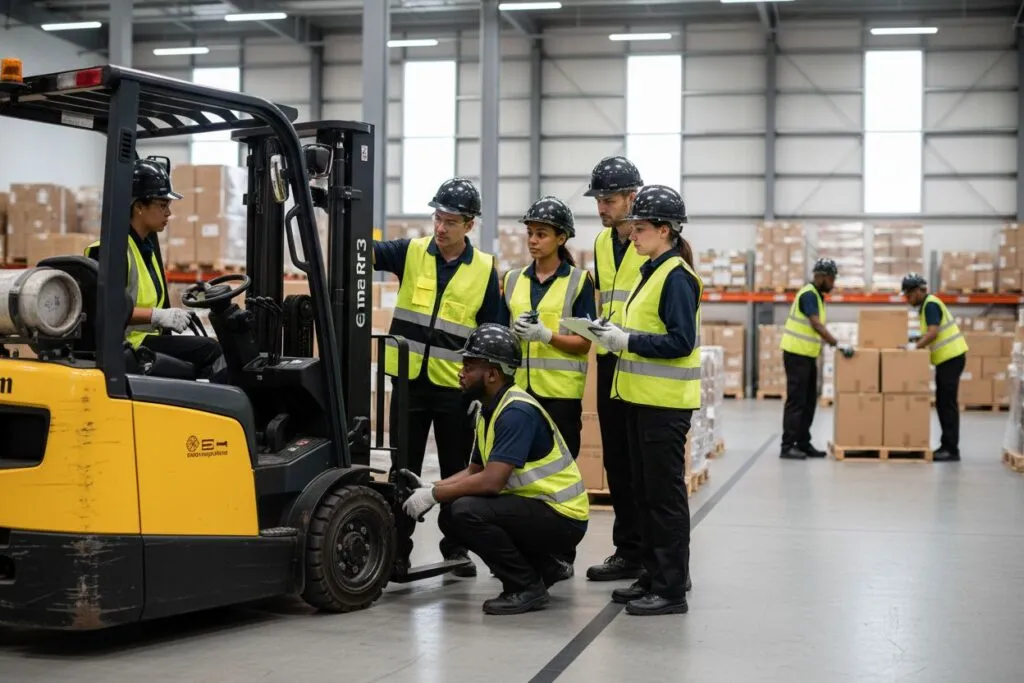
How to Lift Objects Safely Without Bending Forward and Reduce Injury Risks
In many workplaces, lifting objects from the ground is a routine task. It happens in warehouses, construction sites, offices, and even retail stores. Yet, something as simple as picking up a box can quickly turn into a serious injury if done incorrectly.
A common mistake people make is bending forward at the waist instead of using proper lifting technique. This small habit puts excessive pressure on the lower back and can lead to long term health issues. For individuals exploring professional safety training, topics like these are often covered in detail alongside practical considerations such as IOSH Course fees in Pakistan, helping learners understand both theory and real world application.
Learning the right way to lift is not just about avoiding pain today. It is about protecting your body for years to come.
Why Bending Forward While Lifting Is Risky
Bending forward shifts the entire load onto your spine. Instead of distributing weight through your legs and core, your lower back absorbs most of the stress.
1. What happens inside your body
When you bend incorrectly:
-
The spine curves unnaturally
-
Pressure on spinal discs increases
-
Muscles in the lower back overstretch
-
Balance becomes unstable
Over time, this can lead to chronic back pain, muscle fatigue, and even disc injuries.
2. A quick workplace example
Consider a delivery worker who lifts packages throughout the day. At first, bending forward feels faster and easier. But after weeks of repetitive strain, discomfort sets in. Eventually, the worker may require medical attention or time off, affecting both personal health and workplace productivity.
Understanding Proper Lifting Technique
Safe lifting is about using your body efficiently. It involves posture, control, and awareness.
1. principles of safe lifting
-
Keep your back straight and neutral
-
Bend your knees instead of your waist
-
Use your leg muscles to lift
-
Hold the load close to your body
-
Move smoothly without jerking
These simple adjustments can dramatically reduce injury risks.
Causes of Unsafe Lifting Habits
Unsafe lifting often develops due to workplace pressure or lack of training.
1. Why workers bend forward
-
Rushing to complete tasks quickly
-
Lack of awareness about proper technique
-
Poor workplace design
-
Fatigue or repetitive tasks
-
Absence of safety supervision
Recognizing these causes helps organizations address risks proactively.
Guide to Lifting Safely
Following a structured approach can make lifting safer and more efficient.
1. Before lifting
-
Assess the weight and size of the object
-
Check your surroundings for hazards
-
Plan where you will place the load
-
Wear appropriate personal protective equipment
2. During lifting
-
Stand close to the object
-
Place your feet shoulder-width apart
-
Bend your knees and keep your back straight
-
Grip the object firmly
-
Lift using your legs, not your back
3. After lifting
-
Keep the load close to your body
-
Avoid twisting your torso
-
Take small, steady steps
-
Lower the object using the same safe technique
Practical Tips to Prevent Injuries
Safe lifting becomes easier when supported by good workplace practices.
1. Useful safety tips
-
Use mechanical aids such as trolleys or hoists
-
Store heavy items at waist level
-
Take regular breaks to avoid fatigue
-
Rotate tasks to reduce repetitive strain
-
Encourage team lifting for heavy loads
2. Micro case study
A warehouse introduced lifting training sessions and adjusted shelf heights. Within three months, reported back injuries decreased significantly. Workers also reported feeling less tired at the end of their shifts.
Ergonomics in Safe Lifting
Ergonomics focuses on designing work environments that support safe movement.
1. How ergonomics helps
-
Reduces the need to bend forward
-
Improves posture during tasks
-
Minimizes repetitive strain
-
Enhances overall comfort and productivity
Even small changes, like adjusting shelf height or repositioning tools, can make a big difference.
When Not to Lift Manually
Not every object should be lifted by hand.
1. Avoid lifting when
-
The object is too heavy or bulky
-
You cannot maintain proper posture
-
The path is blocked or slippery
-
You feel physically strained
In these situations, using equipment or asking for help is the safer choice.
Building Safer Workplaces Through Training
Awareness is the foundation of safety, but training turns knowledge into habit.
Workplace safety programs teach workers how to identify risks, use proper techniques, and respond to hazards effectively. These programs are especially valuable for beginners and professionals aiming to strengthen their safety skills.
1. Why safety training matters
-
Reinforces correct lifting techniques
-
Reduces workplace accidents
-
Builds confidence among workers
-
Supports career development in safety roles
For learners comparing different options, understanding course structure, trainer experience, and details like IOSH Fee in Pakistan can help in choosing a suitable training pathway.
Frequently Asked Questions
1. What is the safest way to lift objects from the ground?
The safest method is to bend your knees, keep your back straight, and lift using your leg muscles while holding the object close to your body.
2. Why is bending forward dangerous?
It places excessive strain on the lower back and increases the risk of muscle injuries and spinal problems.
3. How can workplaces reduce lifting injuries?
By providing training, improving ergonomics, encouraging safe practices, and using lifting equipment where necessary.
4. When should I ask for help while lifting?
If the object is too heavy, awkward, or difficult to handle safely, it is best to ask for assistance.
5. Are lifting injuries preventable?
Yes, most lifting injuries can be prevented with proper technique, awareness, and supportive workplace practices.
Conclusion
Safe lifting is a skill that protects your health and supports a safer workplace. Avoiding the habit of bending forward while lifting can significantly reduce the risk of injury.
By applying correct techniques, improving workplace design, and prioritizing safety training, workers can perform tasks with confidence and ease. Small changes in daily habits often lead to long term benefits.
A safe workplace is not built overnight. It grows through consistent awareness, proper training, and a shared commitment to doing things the right way.

 English
 Arabic
 French
 Spanish
 Portuguese
 Deutsch
 Turkish
 Dutch
Dutch
 Italiano
 Russian
 Romaian
 Greek
Greek
