


Everyday Actions That Help Reduce Food Insecurity In Philadelphia
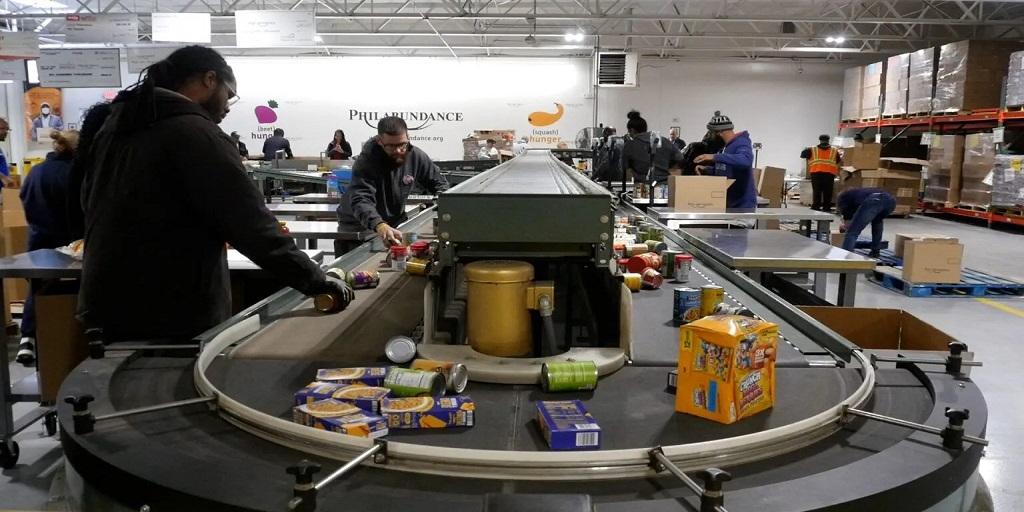
Food Insecurity in Philadelphia affects hundreds of thousands of people across the region every year. Many families struggle to keep up with rising grocery prices, housing costs, transportation expenses, and healthcare bills. Parents, seniors, students, and working adults may all experience periods when reliable access to healthy meals becomes difficult.
At Philabundance, you can help reduce hunger through steady community support and everyday involvement. Consistent action from residents helps strengthen food access across neighborhoods and creates stronger support systems for families facing financial pressure.
Why Food Access Remains a Challenge
Many households live paycheck to paycheck. An unexpected medical expense, reduced work hours, or rent increase can quickly affect grocery budgets. Some communities also have fewer supermarkets and fresh food options nearby, making healthy shopping harder for residents without reliable transportation.
Food insecurity often creates stress that reaches every part of daily life. Children may struggle to focus in school, while adults balance work responsibilities alongside financial uncertainty. Seniors living on fixed incomes may reduce grocery purchases to cover medication or utility costs.
Philabundance continues working to improve access to nutritious food across Greater Philadelphia and Southern New Jersey, but long-term progress depends on steady public support and local participation.
Ways You Can Help
Supporting hunger relief efforts does not require large events or seasonal campaigns. Simple actions help local programs serve families more consistently.
- Volunteer Your Time: Food distribution centers, shelters, schools, and community kitchens often need volunteers for donations, meal boxes, organizing inventory, and assisting during food distribution. A few volunteer hours each month can support hundreds of residents. Group volunteer opportunities through workplaces, schools, and neighborhood organizations also encourage broader community participation.
- Share Local Resources: Many people are unaware of food assistance programs available nearby. Sharing information about local pantries, meal services, and nutrition programs can help families connect with important support faster. Community awareness also reduces stigma around seeking assistance. Open conversations about hunger encourage more people to access available resources when needed.
- Support Food Recovery Efforts: Restaurants, grocery stores, farms, and local businesses often have surplus food that can still serve communities. Food recovery partnerships help redirect these items toward families instead of landfills. Supporting businesses and organizations involved in food recovery efforts helps increase available meals while reducing unnecessary waste.
Consistent Contributions Create Stronger Support
Reliable support helps hunger relief organizations plan and maintain stable food distribution. Recurring financial contributions, volunteer commitments, and workplace giving programs allow community organizations to respond more effectively during periods of higher demand.
Children benefit greatly from stable meal access during the school year and summer months. Adults experiencing temporary hardship may recover more quickly when food assistance reduces pressure on household budgets.
Long-term community support also helps organizations expand nutrition education, workforce programs, and partnerships that strengthen overall family stability.
Community Partnerships Improve Local Impact
Food assistance networks rely on collaboration between schools, shelters, nonprofits, senior centers, healthcare providers, and local businesses. These partnerships help food reach families efficiently across different neighborhoods and counties.
Local organizations often understand the unique needs of their communities. Some areas may need additional fresh produce distribution, while others benefit from senior meal delivery programs or school-based support services.
Businesses can also participate through employee volunteer programs, sponsorships, donation matching, and operational support. Community involvement from multiple sectors strengthens hunger relief efforts across the region.
Building Stronger Communities Through Action
Reducing hunger requires ongoing participation from people who care about their neighbors and local communities. Everyday involvement helps create more reliable access to nutritious meals and supports families facing difficult periods.
You can make a difference through volunteering, sharing resources, supporting local programs, and encouraging community participation.
Local Hunger Relief Efforts
Philabundance works throughout Greater Philadelphia and Southern New Jersey to increase food access, partner with community organizations, and support long-term hunger relief programs. You can learn more about volunteer opportunities, community initiatives, and ways to contribute directly through their website.
For more information about Local Non Profit and End Of Year Donation Please visit: Philabundance.

 English
 Arabic
 French
 Spanish
 Portuguese
 Deutsch
 Dutch
Dutch
 Italiano
 Russian
 Romaian
 Portuguese (Brazil)
 Greek
Greek
