


Nafion 117: Properties, Uses, Benefits and Applications
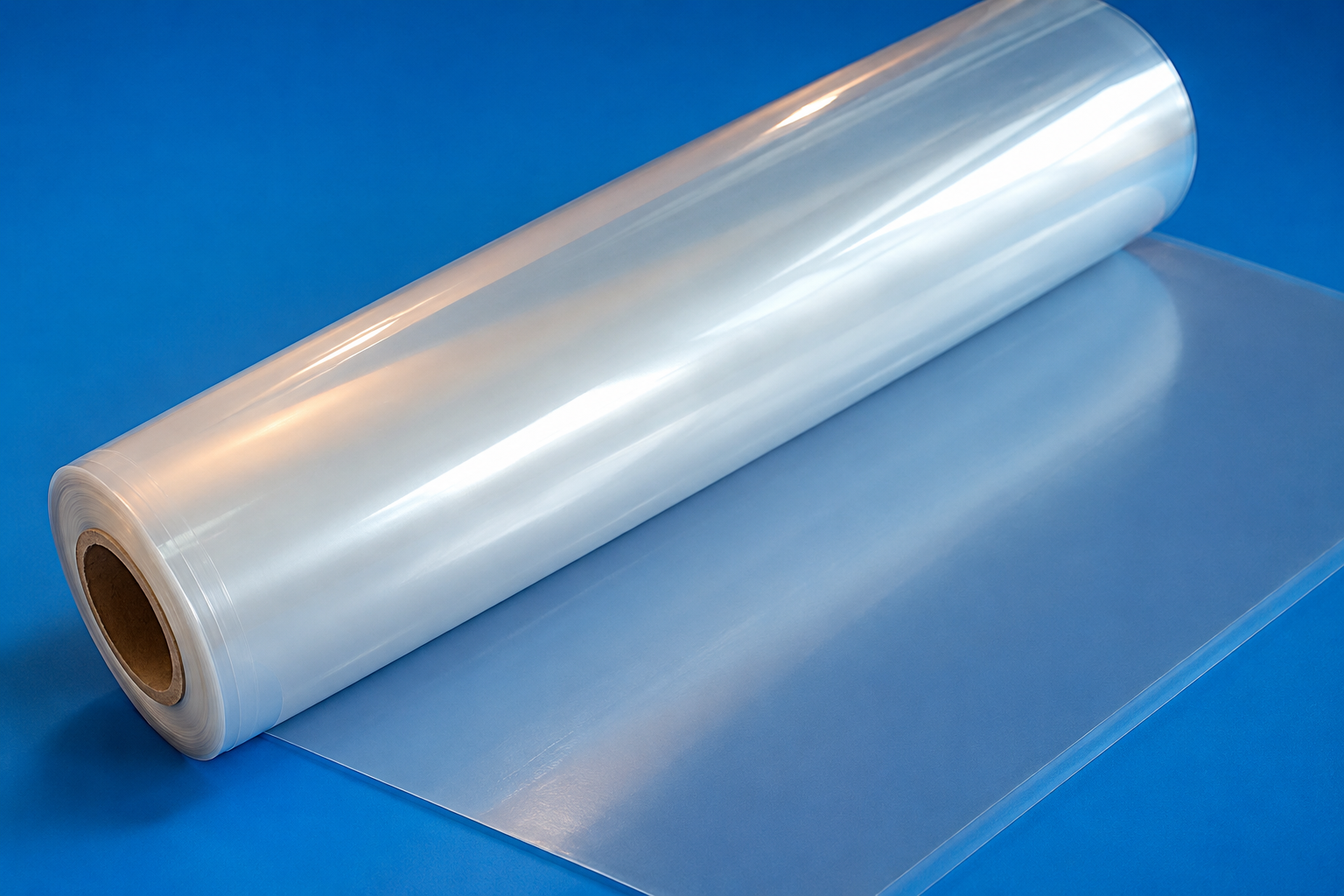
Nafion 117 is a widely recognized proton exchange membrane used in electrochemical and chemical applications where proton conductivity, chemical resistance, and thermal stability are important. It belongs to the family of perfluorosulfonic acid membranes and is valued for its ability to transport protons while providing a barrier to many other ions and substances. Because of these characteristics, Nafion 117 is commonly studied and used in fuel cells, electrolysis systems, sensors, laboratory research, and other electrochemical technologies.
Understanding Nafion 117 is useful for researchers, engineers, students, and industries working with membrane technology. Its unique combination of a chemically stable fluorinated backbone and hydrophilic sulfonic acid groups gives the material its distinctive performance. The membrane can absorb water and create pathways that support proton movement, making it especially useful in systems that depend on efficient proton transport.
What Is Nafion 117?
Nafion 117 is a solid polymer electrolyte membrane manufactured from a perfluorosulfonic acid polymer. Its structure contains a highly fluorinated polymer backbone with side chains ending in sulfonic acid groups. The fluorinated portion provides excellent chemical and thermal stability, while the sulfonic acid groups contribute to proton conductivity.
The membrane is generally supplied in a dry form and can be prepared through suitable conditioning before use. When hydrated, the sulfonic acid groups interact with water and form ionic regions within the polymer structure. These hydrated regions provide channels through which protons can move.
One of the most important characteristics of Nafion 117 is that it can conduct protons while remaining electronically insulating. This combination makes it particularly valuable in electrochemical cells where the membrane must allow ionic transport without allowing direct electronic conduction between electrodes.
Nafion 117 Structure and Composition
The molecular structure of Nafion 117 is responsible for many of its useful properties. Its backbone is based on a fluorinated polymer, giving the material strong resistance to chemical attack. Attached side chains contain sulfonic acid groups that provide acidic functionality and proton exchange capability.
The polymer can be viewed as having hydrophobic and hydrophilic regions. The fluorinated backbone is strongly water-repellent, while the sulfonic acid groups attract water. When the membrane becomes hydrated, these different regions organize into microscopic domains.
This internal organization is important because proton transport takes place mainly through the hydrated ionic regions. The amount of water present in the membrane can therefore have a major influence on its conductivity and overall electrochemical performance.
Key Properties of Nafion 117
Nafion 117 is valued because several useful properties are combined within the same membrane. Its chemical stability allows it to operate in demanding acidic and electrochemical environments. The membrane also offers strong proton exchange capability and good mechanical durability.
Proton conductivity is one of its most important properties. When sufficiently hydrated, the membrane can provide effective pathways for proton movement. Conductivity can change depending on hydration, temperature, surrounding chemical conditions, membrane history, and operating environment.
The membrane also has strong resistance to many chemicals. Its fluorinated structure contributes significantly to this resistance and allows it to remain functional in environments where many conventional polymers could degrade.
Another important property is its low electronic conductivity. This characteristic helps separate electrochemical reactions while allowing protons to pass through the membrane.
Why Hydration Is Important for Nafion 117
Water plays an important role in the performance of Nafion 117. Proton transport within the membrane depends strongly on the presence of water in its ionic domains. When the membrane is adequately hydrated, proton movement generally becomes easier.
If the membrane becomes too dry, proton conductivity can decrease substantially. This can affect the efficiency of an electrochemical system and increase resistance across the membrane. For this reason, hydration management is an important consideration when Nafion 117 is used in practical applications.
At the same time, excessive water can also create operational challenges. Water management therefore needs to be considered according to the particular system, temperature, pressure, and operating conditions.
Nafion 117 in Fuel Cells
One of the best-known applications of Nafion 117 is in proton exchange membrane fuel cells. In a fuel cell, the membrane plays the important role of transporting protons between the electrodes while helping prevent direct mixing of the reactant gases.
At the anode, hydrogen can be separated into protons and electrons. The membrane allows the protons to travel through its hydrated ionic structure, while the electrons are directed through an external electrical circuit. At the cathode, the transported protons can participate in the reaction involving oxygen and electrons to produce water.
The membrane therefore contributes directly to the operation of the fuel cell. Its proton conductivity, chemical stability, mechanical properties, and ability to separate reactants make it a valuable material for fuel-cell research and development.
Nafion 117 in Water Electrolysis
Nafion 117 can also be used in electrolysis research and related electrochemical systems. In water electrolysis, electrical energy is used to drive chemical reactions that produce hydrogen and oxygen.
A proton-conducting membrane can separate the different reaction environments while allowing protons to move between relevant areas of the electrochemical cell. The membrane can therefore help maintain the required ionic pathway while reducing unwanted mixing between products.
Its chemical resistance and proton conductivity make Nafion-based membranes attractive for research involving hydrogen production and other electrochemical energy technologies.
Use of Nafion 117 in Sensors
Nafion 117 is also useful in certain sensor technologies. Its ion-exchange properties can help control the movement of charged species and influence how an electrode interacts with a surrounding solution.
Because the membrane can selectively interact with ions and provide a stable polymeric environment, researchers may use it as a protective, separating, or modifying layer in electrochemical sensor systems.
The actual performance depends on the sensor design, target substance, membrane preparation, and operating environment. Nafion 117 is therefore not a universal sensing material, but its properties make it useful for specialized electrochemical applications.
Nafion 117 as a Proton Exchange Membrane
The proton exchange capability of Nafion 117 is central to its importance. Sulfonic acid groups within the polymer can release protons and provide pathways for their movement through hydrated regions.
This behavior allows the membrane to function as an electrolyte without requiring a liquid electrolyte to provide the primary proton-conducting pathway. The solid membrane can therefore simplify the design of certain electrochemical systems.
The effectiveness of proton exchange depends on factors such as water content, temperature, chemical environment, membrane condition, and interactions with other components. Proper preparation and handling are therefore important when using the membrane for laboratory or industrial work.
Chemical Stability of Nafion 117
Chemical stability is one of the major advantages associated with Nafion 117. Its highly fluorinated polymer backbone provides considerable resistance to chemical degradation compared with many conventional hydrocarbon-based polymers.
This property is particularly valuable in electrochemical environments where acidic conditions, oxidizing species, or reactive chemicals may be present. However, chemical stability does not mean that the membrane is completely resistant to every possible chemical or operating condition.
Long-term exposure to aggressive environments, high temperatures, contaminants, mechanical stress, or inappropriate handling can affect membrane performance. Users should therefore select operating conditions carefully and follow suitable laboratory or engineering practices.
Thermal Characteristics of Nafion 117
Temperature can influence both the physical and electrochemical behavior of Nafion 117. As temperature changes, water content, proton transport, mechanical properties, and chemical stability can also change.
Moderate increases in temperature may improve certain transport processes when adequate hydration is maintained. However, excessive temperatures can lead to dehydration or other forms of performance deterioration.
For this reason, temperature should always be considered together with humidity and water management rather than evaluated independently. The ideal operating conditions depend on the particular application and system design.
Advantages of Nafion 117
Nafion 117 offers several advantages that explain its continued use in membrane research and electrochemical applications. Its strong proton conductivity under hydrated conditions is one of its most important benefits.
Its chemical resistance is another major advantage. The fluorinated polymer structure helps the membrane withstand many demanding chemical environments.
The membrane also offers good mechanical integrity and can be handled as a solid material rather than as a free-flowing liquid electrolyte. Its ion-exchange behavior makes it useful in systems where controlled proton transport is required.
Another advantage is its broad research history. Because Nafion membranes have been extensively investigated, researchers can compare experimental results with a substantial body of scientific knowledge and previous membrane studies.
Limitations of Nafion 117
Although Nafion 117 has many useful characteristics, it also has limitations. Its proton conductivity is strongly affected by hydration, which can become a challenge in low-humidity or high-temperature environments.
The membrane can also experience changes in dimensions when it absorbs water. This swelling behavior may need to be considered when designing membrane-electrode assemblies or other precision systems.
Cost can also be a consideration compared with some alternative polymer membranes. In addition, Nafion 117 may not provide the best performance for every application, particularly where very high-temperature operation, extremely low humidity, or specific ion selectivity is required.
Selecting a membrane should therefore be based on the requirements of the complete system rather than on one property alone.
How Nafion 117 Is Prepared for Use
Before Nafion 117 is incorporated into an experiment or electrochemical device, appropriate preparation may be required. The preparation process depends on the intended application and the condition in which the membrane was supplied.
Cleaning and conditioning can be important because surface contaminants or residual substances may influence electrochemical measurements. Hydration is also commonly considered because the membrane's proton conductivity depends strongly on its water content.
Researchers should avoid rough handling because mechanical damage, scratches, folds, or contamination can affect membrane performance. Proper storage and preparation can help maintain consistent experimental results.
Factors That Affect Nafion 117 Performance
Several environmental and operational factors can influence Nafion 117. Water content is particularly important because it affects the formation and connectivity of proton-conducting regions.
Temperature can influence proton mobility and water retention. Chemical exposure may affect long-term stability depending on the environment. Mechanical pressure and swelling can also influence membrane dimensions and structural integrity.
The thickness of the membrane is another important consideration because it can influence resistance and transport characteristics. System designers must balance proton conductivity, reactant separation, mechanical strength, and durability when selecting a membrane.
Nafion 117 Compared With Other Proton Exchange Membranes
Nafion 117 is one member of a larger group of proton exchange membranes. Different membranes can have different thicknesses, conductivity levels, mechanical characteristics, chemical resistance, and temperature capabilities.
Nafion 117 is often selected when researchers need a well-established proton-conducting material with strong chemical stability. Other membranes may be preferable when the application requires improved performance under dry conditions, higher operating temperatures, lower material cost, or different transport characteristics.
The best choice depends on the intended application. Factors such as electrode compatibility, humidity, temperature, chemical environment, pressure, durability, and desired electrical performance should all be considered.
Common Applications of Nafion 117
Nafion 117 has applications across several areas of research and technology. Fuel cells represent one of its most recognized uses, particularly in laboratory-scale and development systems.
It is also relevant to water electrolysis, hydrogen-related research, electrochemical sensors, ion-exchange experiments, membrane studies, and other electrochemical devices.
Universities and research laboratories may use the material to investigate proton transport, electrode reactions, membrane behavior, and electrochemical processes. Its established characteristics also make it useful as a reference membrane in experimental studies.
Handling and Storage of Nafion 117
Proper handling can help maintain the quality of Nafion 117. The membrane should be protected from unnecessary contamination and physical damage. Clean tools and suitable laboratory procedures are recommended when preparing it for experiments.
Storage conditions should be selected according to the manufacturer's specifications and the intended application. Avoiding unnecessary exposure to extreme temperatures, contaminants, and unsuitable chemicals can help preserve membrane performance.
Researchers should also consider whether the membrane is being stored in a dry or hydrated state because its condition can influence subsequent preparation and measurements.
Frequently Asked Questions About Nafion 117
What is Nafion 117 used for?
Nafion 117 is primarily used as a proton exchange membrane in electrochemical applications. It is commonly associated with fuel cells, electrolysis, sensors, ion-exchange studies, and laboratory research involving proton transport.
Why does Nafion 117 conduct protons?
Nafion 117 contains sulfonic acid groups that interact strongly with water. When hydrated, these groups create ionic regions that provide pathways for proton movement through the membrane.
Is Nafion 117 chemically stable?
Nafion 117 has strong chemical stability because of its highly fluorinated polymer structure. However, its resistance has practical limits, and performance can change under extreme chemical, thermal, or mechanical conditions.
Does Nafion 117 need water?
Water is very important for the proton conductivity of Nafion 117. Hydration helps create the ionic pathways required for effective proton transport, although excessive water can also create system-level challenges.
Can Nafion 117 be used in fuel cells?
Yes. Nafion 117 has been widely used as a proton exchange membrane in fuel-cell research and development because it can conduct protons while helping separate the reactant environments.
Is Nafion 117 suitable for electrolysis?
Nafion 117 can be used in various electrolysis research systems where proton transport and membrane separation are required. Suitability depends on the specific electrochemical design and operating conditions.
What affects the conductivity of Nafion 117?
Hydration, temperature, membrane condition, chemical environment, and other operating factors can influence its proton conductivity. Maintaining appropriate water content is especially important.
Is Nafion 117 the best proton exchange membrane?
There is no single membrane that is best for every application. Nafion 117 is highly useful because of its established proton conductivity and chemical stability, but alternative membranes may offer advantages under particular operating conditions.
Conclusion
Nafion 117 is an important proton exchange membrane known for its combination of proton conductivity, chemical stability, mechanical properties, and ion-exchange capability. Its fluorinated polymer backbone provides durability, while its sulfonic acid groups support proton transport when the membrane is properly hydrated.
The material has become particularly relevant in fuel cells, electrolysis, electrochemical sensors, membrane research, and other technologies that depend on controlled proton movement. Its performance is influenced by hydration, temperature, chemical conditions, membrane preparation, and system design.
For researchers and engineers, understanding these factors is essential for obtaining reliable results from Nafion 117. While the membrane has certain limitations, its established properties and broad range of applications make it a valuable material for modern electrochemical research and technology.

 English
 Arabic
 French
 Spanish
 Deutsch
 Turkish
 Dutch
Dutch
 Italiano
 Russian
 Romaian
 Portuguese (Brazil)
 Greek
Greek
