


How a Flood Control Barrier Protects from Extreme Weather Events
Extreme weather events are becoming increasingly common in Australia. Heavy rainfall, sudden storms, and flash flooding aren’t once-in-a-decade events anymore. What once used to be rare is now something that people quietly prepare for each season, just in case.
Flood preparedness has become a necessity. Homes, commercial spaces, and even entire communities are having to rethink how they deal with water when it doesn’t behave. It’s not just about reacting anymore. It’s about putting systems in place before the first drop hits the ground.
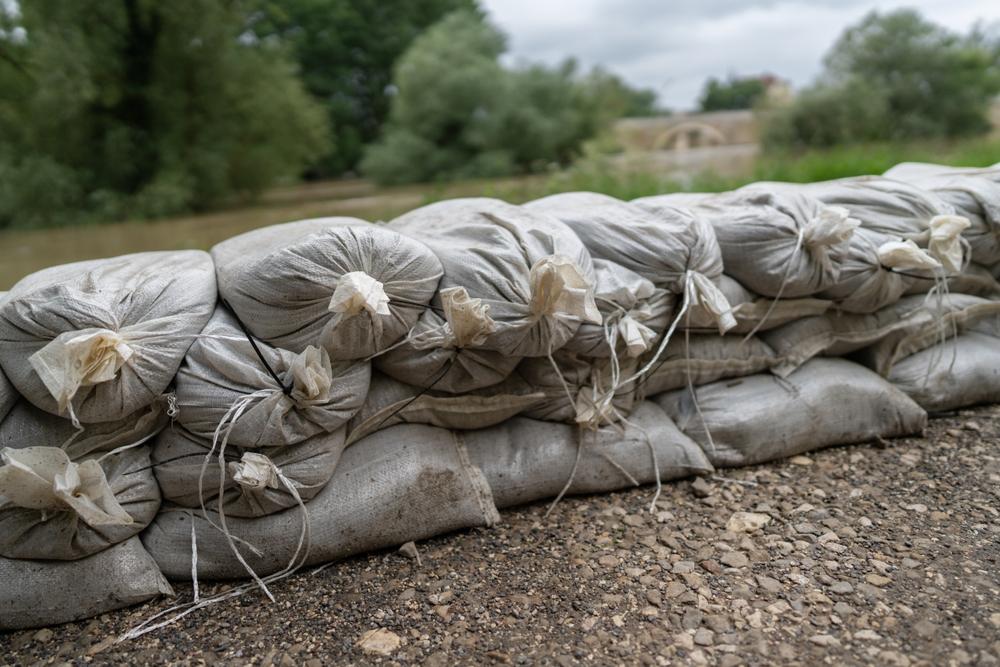
One reliable defence system is the flood control barrier. It’s practical, adaptable, and, in many cases, far more reliable than older methods like sandbags.
This article breaks down the different types of flood barriers, how they work, and how they fit into broader flood protection strategies.
Understanding Flood Control Barriers
A flood control barrier is, at its core, a physical system designed to stop or redirect floodwater before it enters a property. How it is implemented can vary widely depending on the setting.
Think of it as a first line of defence. When water levels start rising, these barriers step in to hold the boundary. They’re used in residential homes, commercial buildings, and industrial sites, often tailored to fit specific entry points such as doors, driveways, or loading bays.
Traditional sandbags still exist, of course, but flood barriers are much more improvised. These modern systems are engineered, reusable, and, in many cases, quicker to deploy.
Why Extreme Weather Events Increase Flood Risks
Heavy Rainfall and Storm Surges
Sudden storms don’t always give much warning. One moment, it’s manageable, and the next, water is pooling faster than drainage systems can cope. That rapid accumulation is often what catches people off guard.
Rising Water Levels in Flood-Prone Areas
In areas near rivers or coastlines, rising water levels can feel almost inevitable during extreme weather. Urban environments aren’t immune either. Drainage systems, especially older ones, can get overwhelmed surprisingly quickly.
Impact on Properties and Infrastructure
The consequences tend to ripple outward. Water damage isn’t just about wet floors; it can lead to structural issues, electrical hazards, and prolonged disruption. Businesses pause. Homes become temporarily unlivable. And recovery, more often than not, takes longer than expected.
Types of Flood Control Barriers Used for Protection
Temporary Flood Barriers
These are designed for speed. When a flood warning is issued, temporary systems can be deployed quickly, often without heavy equipment. They’re commonly used in emergency situations, especially for warehouses or community infrastructure.
Demountable Flood Barriers
A bit more structured, these systems feature pre-installed fixtures that allow barriers to be slotted in when needed. They’re popular with commercial and industrial properties that require a balance between preparedness and flexibility.
Passive Flood Barriers
There’s something almost intuitive about these. Passive systems activate automatically as water rises, without manual intervention. They’re particularly useful in situations where immediate human response isn’t guaranteed.
Automatic Flood Barriers
These systems rely on mechanical or powered activation. They’re precise and effective, though they do depend on a reliable power source, which can be a consideration during severe weather.
Property-Level Flood Barriers
For homeowners and small businesses, simpler manual systems often make the most sense. They’re practical, cost-effective, and, when used correctly, surprisingly robust.
Key Benefits of Installing Flood Control Barriers
Protects Buildings from Water Damage
The most obvious benefit is also the most critical. Keeping water out prevents damage before it starts, which is always easier than repairing it later.
Reduces Financial Loss
Flood damage can escalate quickly in terms of cost. Repairs, replacements, and downtime all add up. A well-installed barrier can significantly reduce those expenses.
Rapid Deployment During Emergencies
Compared to traditional methods, modern barriers are faster to install. That time difference, even if it’s just minutes, can matter more than people expect.
Long-Term Flood Resilience
Most systems are designed for repeated use. Over time, that durability becomes part of a broader resilience strategy, rather than a one-off solution.
Role of Ancillary Flood Protection Devices
Flood barriers don’t work in isolation. They’re part of a larger system, and the supporting components often make a noticeable difference.
Non-Return Valves (NRVs)
These prevent backflow from sewer systems, which can be an overlooked issue during flooding. It’s not something people think about until it happens.
Sump Pumps
Sump pumps help remove water that seeps in. They’re not a primary defence, but they’re an important backup.
Drainage and Water Diversion Systems
Good drainage can reduce pressure on barriers and manage overflow risks. It’s one of those details that quietly supports the entire setup.
Together, these elements form more comprehensive flood prevention solutions, even if they’re not always visible at first glance.
Applications of Flood Control Barriers
Flood Solutions Australia are used across a wide range of environments. Residential properties rely on them to protect living spaces. Commercial buildings use them to maintain operations. Industrial sites often need more robust systems to safeguard equipment and inventory.
They’re also common in underground parking areas, where water ingress can be particularly damaging, and in critical infrastructure where failure isn’t really an option. In some cases, entire communities adopt coordinated barrier systems for broader protection.
Choosing the Right Flood Control Barrier for Your Property
Not all locations face the same type or intensity of flooding. If you’re a homeowner in a suburban area that occasionally sees flash flooding from the street, a simple door barrier and a good sump pump might be enough. But if you’re a property manager overseeing a critical infrastructure site or an underground parking garage in a coastal town, you’re looking at a different league of protection.
The right choice comes down to three things: how fast the water rises, how deep it gets, and how much downtime you can afford. Some situations allow time for setup, while others demand immediate response.
There is also maintenance to consider. A system that’s difficult to maintain may not be practical long term.
Professional guidance makes a world of difference. Flood management experts can assess site conditions and recommend solutions that actually fit, rather than just ticking boxes.
Conclusion
Extreme weather isn’t a once-in-a-century problem anymore. It’s a seasonal reality for many Australians. While you can’t control the weather, you can control your response to it.
Preparing for floods is no longer just reacting to warnings. It’s about having the right systems in place, ready to perform when conditions shift.
Ready to Start Thinking About Flood Protection?
iREACT Consulting specialises as a Flood Risk Assessment Consultant in flood risks and installing tailored flood control barriers for homes, businesses, and industrial sites across Australia.
Our flood control expert, John, will visit your site and provide tailored solutions to your flood control needs. Give us a call at (+61) 433 634 344 to book a consultation.

 English
 Arabic
 French
 Spanish
 Deutsch
 Turkish
 Dutch
Dutch
 Italiano
 Russian
 Romaian
 Portuguese (Brazil)
 Greek
Greek
