


Parking Lot Paving in Long Island: How to Plan a Durable, ADA-Friendly Lot for Your Business
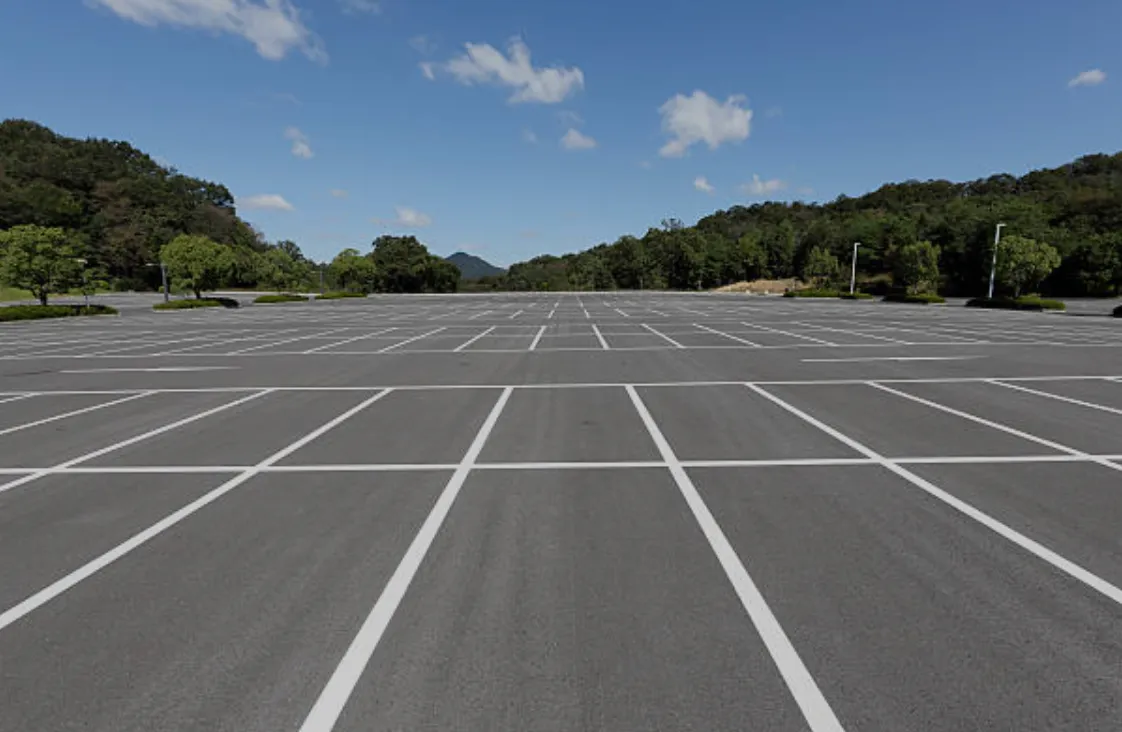
A well-designed business parking lot needs to handle daily vehicle traffic, drainage, pedestrian movement, and changing weather while remaining accessible to everyone. Parking lot paving should therefore be planned around proper site preparation, pavement strength, drainage, striping, and ADA accessibility. Long Island Asphalt and Sealcoating helps businesses approach paving with attention to the details that support a safe, functional, and durable parking area.
Start With the Site, Not the Surface
A durable parking lot begins below the asphalt. Before paving starts, the site should be evaluated for soil conditions, existing pavement problems, grading, drainage, traffic patterns, and areas that may require excavation or reconstruction.
Poor subgrade conditions can lead to settlement, cracking, depressions, and water-related damage. Simply placing fresh asphalt over a weak foundation can leave those underlying problems unresolved.
A proper site assessment should consider:
-
Existing pavement condition and damaged areas
-
Soil stability and subgrade strength
-
Drainage patterns and low spots
-
Entrances, exits, and internal traffic flow
-
Pedestrian routes and accessible parking areas
This planning stage helps determine the pavement structure needed for the business rather than treating every parking lot as the same project.
Build Pavement for Daily Traffic
A commercial parking lot experiences different loads depending on the property. A small professional office may mainly serve passenger vehicles, while a retail property, medical facility, restaurant, or industrial site may experience frequent delivery and service traffic.
Pavement design should account for the type and frequency of vehicles using the property. Heavy vehicles place greater stress on asphalt, particularly near loading zones, entrances, turning areas, and drive lanes.
Proper preparation and compaction are essential. The base should provide a stable foundation, while the asphalt surface should be installed at an appropriate thickness for the intended traffic conditions. Good workmanship also helps create consistent grades and smooth connections between paved areas.
Give Water a Clear Path Away
Water is one of the major causes of parking lot deterioration. Standing water can penetrate cracks, weaken underlying materials, and contribute to potholes and pavement failures.
A thoughtful design directs runoff toward suitable drainage points instead of allowing water to collect in traffic lanes or parking spaces. Grading, drainage structures, catch basins, and other site features may all contribute to effective water management.
Long Island properties also need to account for seasonal weather changes. Freeze-thaw cycles can place additional pressure on pavement when moisture enters existing cracks and expands as temperatures fall.
Keeping pavement properly graded and addressing drainage problems early can reduce the conditions that accelerate deterioration.
Make ADA Accessibility Part of the Design
Accessibility should be incorporated into the parking lot plan from the beginning rather than added after paving is complete. The Americans with Disabilities Act, along with applicable New York State and local requirements, establishes accessibility standards that businesses need to consider.
Accessible parking spaces should be located on an accessible route to the building entrance. The layout may include designated access aisles, appropriate slopes, curb ramps, pavement markings, and signage based on the requirements that apply to the property.
Accessible routes should also remain practical and unobstructed. A parking space can have correct markings but still create problems if pedestrians must cross poorly designed traffic areas or encounter uneven pavement.
Because accessibility requirements can vary according to property type and circumstances, businesses should verify applicable requirements with the appropriate authority or qualified design professional before finalizing the layout.
Design Traffic Flow Before Painting Spaces
A parking lot can have excellent pavement and still function poorly if vehicles and pedestrians compete for the same space.
Plan the movement of vehicles from the entrance through drive lanes, parking spaces, loading areas, and exits. Avoid unnecessary conflict points and provide clear circulation around buildings and high-use areas.
Striping should reinforce the layout. Clearly marked parking spaces, directional arrows, accessible spaces, fire lanes where required, and other pavement markings make the property easier to understand.
Good visibility also matters. Faded markings can make a well-designed parking lot feel disorganized and can create confusion for drivers and pedestrians.
Consider Safety Beyond the Asphalt
A commercial parking lot is part of the customer's first physical interaction with a business. Uneven pavement, broken edges, potholes, unclear markings, and poor drainage can affect both safety and the appearance of the property.
Walk the site from a pedestrian's perspective as well as from a driver's perspective. Look for areas where people may cross vehicle paths, step from pavement to sidewalks, or encounter changes in elevation.
Lighting, signage, curb conditions, wheel stops, landscaping, and pedestrian access should complement the pavement design. The goal is a lot that works as a complete property rather than simply a freshly paved surface.
Plan for Maintenance From Day One
Even a properly constructed parking lot needs routine care. Small cracks, localized drainage concerns, damaged markings, and surface wear are easier to address before they develop into larger pavement failures.
A maintenance plan can include periodic inspections, crack repair, sealcoating where appropriate, drainage checks, pavement marking maintenance, and timely repairs.
Sealcoating is not a substitute for structural repair, and it should not be applied over pavement with significant underlying failures. The right maintenance treatment depends on the condition of the asphalt and the cause of the damage.
For Long Island businesses, regular attention can help preserve pavement appearance and performance through changing seasons.
Choose a Paving Plan That Fits Your Property
A durable commercial parking lot is built around the specific demands of the site. Traffic volume, vehicle types, soil conditions, drainage, accessibility, pedestrian movement, and local requirements all influence the final design.
The most effective plan is not simply the one that creates a smooth surface. It is the one that gives drivers clear circulation, provides accessible routes, manages water, supports daily traffic, and makes future maintenance easier.
For businesses planning a new lot or replacing severely deteriorated pavement, careful preparation can make a major difference in long-term performance. Long Island Asphalt and Sealcoating can help property owners evaluate their paving needs and plan work around durability, functionality, and accessibility. If your parking area needs professional attention, contact us to discuss the right paving and maintenance options for your Long Island property.

 English
 Arabic
 French
 Portuguese
 Deutsch
 Turkish
 Dutch
Dutch
 Italiano
 Russian
 Romaian
 Portuguese (Brazil)
 Greek
Greek
