


The Ultimate Guide to Handmade Leather Briefcases: Types, Quality Signs, and How to Choose the Right One
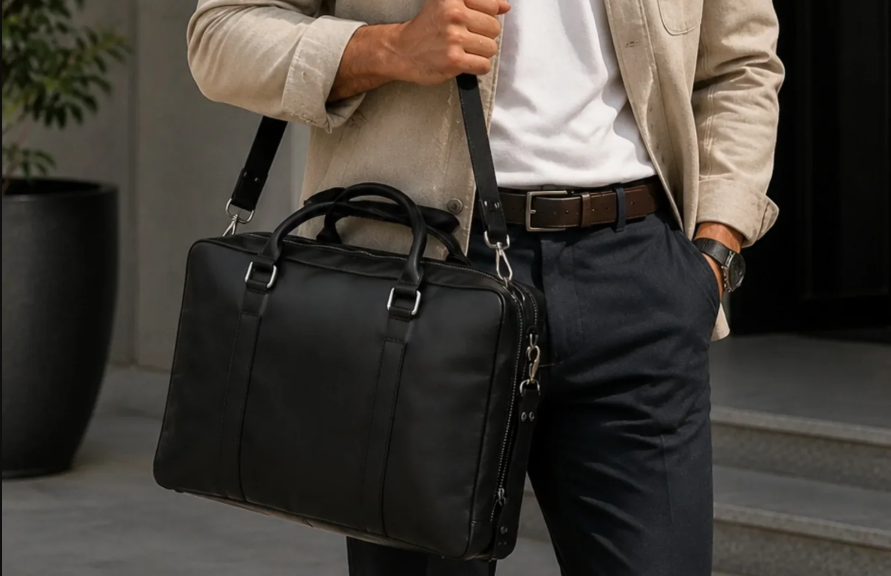
A few years ago, I got tired of replacing my work bag every eighteen months. The zipper on my daily nylon messenger had given up, the synthetic edges were peeling, and frankly, it just looked tired during important client meetings. I wanted something that felt permanent, a bag that could take a beating on daily commutes, look sharp in a corporate boardroom, and actually look better as it got older.
That search kicked off my deep dive into artisanal leatherwork. Picking out handmade leather briefcases isn't like buying standard off-the-shelf gear. It is about understanding the materials, the construction, and how a bag fits into your actual routine.
Key Types of Leather Briefcases for Every Professional Style
Before worrying about leather grades, you need to figure out how you actually pack for work. Here is how the main styles break down in the real world:
-
The Classic Hard-Shell Attaché: Heavy-duty, rigid, and fitted with combination locks. It stands up on its own and keeps physical contracts or delicate papers flat, but it offers zero give if you try to squeeze in extra gear.
-
The Heritage Satchel: Think traditional double-buckle flaps and expandable pockets. It gives you plenty of room for a laptop, power bricks, a water bottle, and a book. It hits a nice sweet spot between rugged and professional.
-
The Minimalist Slim Briefcase: Built for anyone who travels light. It holds a thin laptop, a tablet, and maybe a slim notebook. If you hate carrying extra weight on your shoulder, this is the way to go.
-
The Zip-Top Portfolio: A streamlined option with a quick-access top zip. It feels modern, slides easily into overhead bins or under seats, and works just as well for an evening dinner as it does for a morning presentation.
What Sets a Full Grain Leather Briefcase Apart?
If you only remember one thing about buying leather, make it this: material grade matters more than anything else.
A high-quality full grain leather briefcase uses the top layer of the hide, leaving the original grain completely untampered with. Manufacturers don't sand down the surface to hide natural marks or press artificial patterns into it. Because those top fibers stay dense and intact, full grain hide is tough, naturally water-resistant, and won't crack or peel down the road.
More importantly, it develops a patina. As you carry it, the hide absorbs oils from your hands, reacts to weather, and picks up minor scuffs that blend into the finish. Synthetic materials and cheap corrected leathers look their absolute best the day you buy them and slowly degrade from there. Full grain leather works in reverse, it looks a bit stiff on day one and reaches its peak years down the line.
A Practical Checklist for Inspecting Handcrafted Quality
When you are checking out a bag in person or reviewing photos, ignore the broad product descriptions and inspect these specific structural points:
-
Stitching: Look for thick, waxed thread. True hand-stitching (often a saddle stitch) creates two independent lines of thread. If one stitch ever chafes through on a corner, the rest of the seam stays tight.
-
Hardware: Pick up the bag and check the weight of the buckles and strap rings. You want solid brass or thick stainless steel, not lightweight, hollow alloy that breaks under tension.
-
Edges: Flip the flaps over and look at the seams. Quality makers hand-burnish and seal raw leather edges with beeswax or natural edge paint to keep moisture out and prevent fraying.
-
Stress Points: Check where the main handle attaches to the body. You should see heavy double-stitching backed up by solid rivets and an extra layer of leather inside the bag to distribute the load.
Simple Routine to Make Leather Last Decades
You don't need a shelf full of specialty products to maintain fine leather, but you do need a basic routine:
-
Clean and condition regularly: Wipe off surface dirt with a damp cloth every few weeks. Every four to six months, rub in a light coat of natural leather cream to keep the hide supple.
-
Dry it out slowly: If you get caught in a downpour, don't blast your bag with a hairdryer or leave it next to a heater. Stuff it with newspaper and let it dry slowly at room temperature so the leather doesn't shrink or dry out.
-
Store it right: If you are swapping bags for the season, stuff your briefcase with paper to help it hold its shape and keep it in a breathable cotton dust bag, never sealed in plastic.
Finding the Right Piece
Investing in handcrafted gear comes down to choosing character over disposable convenience. A mass-produced bag gets the job done for a season or two, but a well-made leather piece becomes a personal mainstay that tells a story the longer you carry it.
During my own hunt for well-built leather goods, I ended up checking out Luxury Handicraft. Their focus on traditional construction methods, thick full-grain hides, and solid hardware shows exactly what honest leatherworking ought to be. If you appreciate gear that is built to last a lifetime, finding a bag built with that level of care is well worth the investment.

 English
 Arabic
 French
 Spanish
 Deutsch
 Turkish
 Dutch
Dutch
 Italiano
 Russian
 Romaian
 Portuguese (Brazil)
 Greek
Greek
