


House Pressure Washing in Raleigh: What Can Be Safely Cleaned?
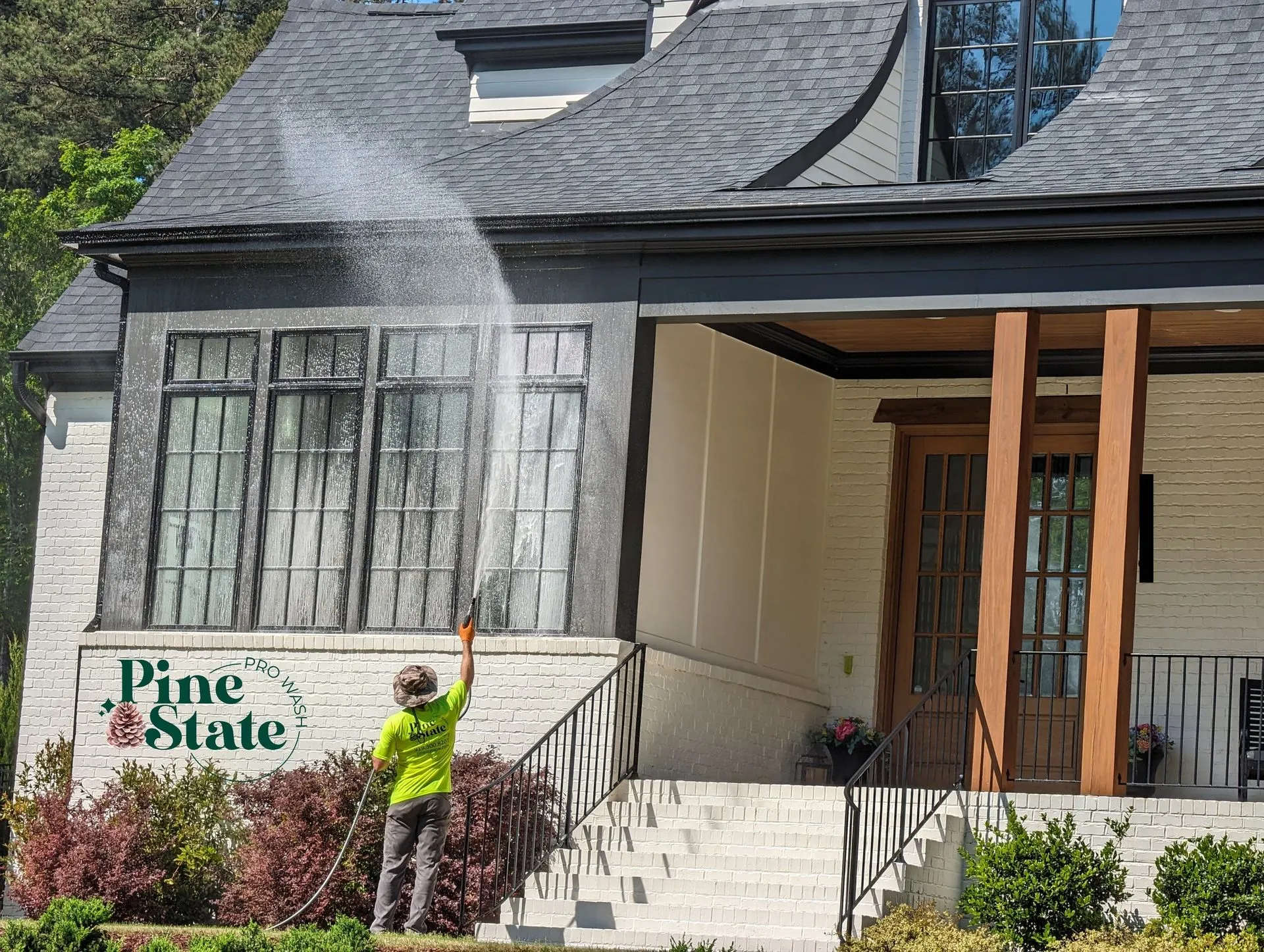
A home can often be pressure washed far beyond just the driveway, but different exterior surfaces need different cleaning methods. Siding, concrete, brick, patios, decks, fences, and other areas can respond well to professional washing when the pressure, nozzle, distance, and cleaning method match the material. For homeowners considering house pressure washing Raleigh NC, Pine State Power Washing, LLC focuses on cleaning exterior surfaces carefully so dirt, algae, mildew, and other buildup can be removed without unnecessary surface damage.
What Parts of a House Can Be Pressure Washed?
Pressure washing is useful for many exterior areas, but the safest method depends on the surface. High pressure is not automatically the best choice. Some materials need lower pressure combined with an appropriate cleaning solution.
Common areas that can be professionally cleaned include:
-
Vinyl and some types of exterior siding
-
Brick walls and masonry
-
Concrete driveways and walkways
-
Patios and outdoor living areas
-
Fences
-
Decks made from suitable materials
-
Garage doors
-
Exterior steps
-
Certain outdoor furniture and hard surfaces
The condition of the surface also matters. Older, cracked, loose, or deteriorating materials may require a gentler cleaning method or repair before washing.
Siding Needs Controlled Pressure
House siding can collect dust, pollen, algae, mildew, and other organic residue. Vinyl siding is generally suitable for professional exterior washing, but excessive pressure can force water behind panels or damage the finish.
A lower-pressure approach is often more appropriate for siding. The cleaning process should account for the siding profile, age, condition, and type of contamination. Water should also be directed carefully around windows, doors, vents, electrical components, and other openings.
Painted siding requires additional care because aggressive pressure can strip paint or leave visible marks. The goal is to remove contamination while preserving the underlying finish.
Brick Can Be Cleaned, But Pressure Matters
Brick is durable, but that does not mean it should be blasted with maximum pressure. Mortar joints can deteriorate, and older brick may have a softer surface than newer masonry.
Professional brick cleaning should account for the condition of the mortar and brick itself. A suitable pressure level, spray pattern, and cleaning solution can help remove surface dirt and organic growth without unnecessarily wearing away the masonry.
Extra care is useful around older homes, damaged mortar, and areas showing signs of water intrusion.
Concrete Handles More Pressure
Concrete is one of the more durable residential surfaces for pressure washing. Driveways, sidewalks, patios, and concrete steps can accumulate tire marks, dirt, algae, mildew, and other stains.
Because concrete is porous, contamination can settle below the surface. Proper pressure washing can loosen embedded grime and improve the appearance of the surface.
Even durable concrete can be damaged by improper technique. Excessive pressure, holding the nozzle too close, or using an unsuitable spray pattern can create surface etching or uneven cleaning.
Decks Require a Gentler Method
Wood decks can be cleaned, but they require considerably more care than concrete. A strong, concentrated stream can cut into wood fibers and leave visible lines or rough patches.
The appropriate method depends on the type and condition of the wood. Softer or weathered boards generally need more delicate treatment. The direction of the spray and distance from the surface also affect the result.
Composite decking can have different manufacturer requirements, so its material should be identified before cleaning. Some composite surfaces can tolerate pressure washing, while others require specific cleaning procedures.
Fences Can Benefit From Exterior Washing
Wood, vinyl, and certain composite fences can collect green growth, dust, mud, and environmental residue. Cleaning can restore a cleaner appearance and help remove surface contaminants.
Wood fencing should be washed with care because aggressive pressure can damage the grain. Vinyl fencing is generally more resistant, but pressure still needs to be controlled around joints, posts, and other vulnerable areas.
A professional cleaner can adjust the cleaning method according to the fence material instead of treating every surface the same way.
Areas That Need Extra Caution
Some parts of a home should never be treated like a concrete driveway. Windows, screens, damaged paint, electrical fixtures, roof surfaces, and deteriorating materials can be vulnerable to high-pressure water.
Roof cleaning is a good example. Many roofing materials should not receive direct high-pressure washing because the force can damage shingles or affect protective surface layers. Roof cleaning often calls for a specialized low-pressure process instead.
Water can also enter through gaps around windows, doors, vents, and damaged siding if the spray is directed incorrectly. Exterior outlets, light fixtures, and other electrical components require careful handling as well.
Pressure Washing Is About Technique, Not Just Force
A common misconception is that more pressure produces a better clean. In practice, effective exterior cleaning depends on several factors working together.
The surface material, level of contamination, nozzle selection, spray distance, water pressure, flow rate, and cleaning solution all influence the result. A trained technician can adjust these variables instead of using one setting across the entire property.
This is especially relevant for Raleigh homes, where exterior surfaces can experience pollen, humidity, rain, shade, and organic growth. Different areas of the same property may need different cleaning methods.
Signs a Surface May Need a Gentler Cleaning Method
Before washing an exterior surface, look for visible signs of deterioration. Cracks, loose mortar, peeling paint, soft wood, damaged siding, and exposed substrate can all change the safest cleaning approach.
Warning signs include:
-
Loose or damaged siding panels
-
Crumbling mortar
-
Peeling or flaking paint
-
Splintered or weathered wood
-
Cracked concrete
-
Damaged seals around windows or doors
-
Areas with existing water intrusion
Cleaning does not repair these problems. In some situations, washing can make existing damage more noticeable or worsen a weak surface.
Why Professional House Washing Makes Sense
Professional house washing is less about applying maximum pressure and more about knowing how a surface should be treated. A technician can identify materials, assess visible conditions, protect sensitive areas, and select an appropriate cleaning method.
That approach can be especially helpful when a property combines several exterior materials. A single home may have vinyl siding, brick, concrete, wood, and painted surfaces within a small area. Each requires different handling.
Proper preparation also matters. Windows and doors can be checked, surrounding areas protected, and vulnerable fixtures treated carefully before washing begins.
A Cleaner Exterior Starts With the Right Method
Most residential exterior surfaces can be cleaned, but they should not all be cleaned in the same way. Concrete can generally tolerate more pressure than wood, siding needs controlled washing, brick requires attention to mortar condition, and roofs often require a specialized low-pressure process.
For homeowners planning house pressure washing in Raleigh, NC, the safest results come from matching the cleaning technique to the surface instead of simply increasing water pressure. Pine State Power Washing, LLC can help homeowners determine the appropriate approach for their exterior surfaces. To protect your home's materials while improving its appearance, contact us to discuss your house washing needs.

 English
 Arabic
 French
 Spanish
 Portuguese
 Deutsch
 Turkish
 Dutch
Dutch
 Italiano
 Russian
 Romaian
 Portuguese (Brazil)
