


Revit Integration and the Future of Interior Design Collaboration
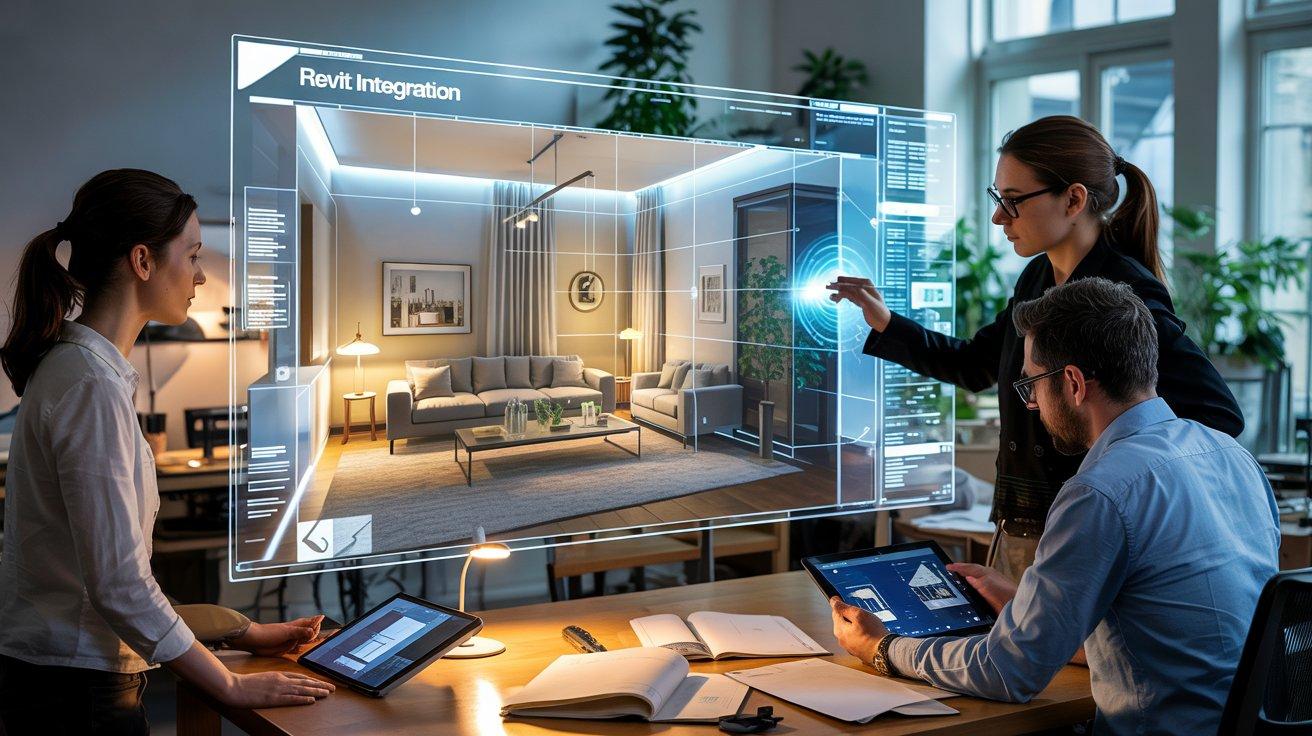
Interior design is no longer operating in isolated creative bubbles. Modern projects demand constant coordination between designers, architects, consultants, procurement teams, contractors, and clients. As projects become larger and timelines become tighter, collaboration has shifted from being a soft skill to becoming a technical requirement. This is exactly why Revit integration is reshaping the future of interior design collaboration.
For years, many interior design workflows depended on disconnected systems. Designers created concepts in one platform, tracked products in another, managed revisions through emails, and handled specifications separately. The result was fragmented communication, duplicated work, and avoidable mistakes. Revit integration changes that dynamic by creating a connected environment where information moves more fluidly between teams and project phases.
This shift is especially important for firms managing complex documentation and sourcing workflows through FF&E specification software. Instead of treating design data as isolated files, integrated systems allow information to stay synchronized across drawings, schedules, specifications, and procurement workflows. That synchronization is quietly transforming how collaborative design actually functions.
The future of interior design will not just depend on creativity. It will depend on how intelligently teams connect information.
Why Collaboration Became a Critical Problem
Interior design projects today involve far more moving parts than they did a decade ago. Teams coordinate across multiple offices, consultants work remotely, vendors operate internationally, and clients expect real-time updates throughout the process.
The problem is that most collaboration systems were never designed for this level of complexity.
Designers often spend significant time verifying whether drawings match schedules, whether revisions were communicated correctly, or whether procurement teams are working from outdated information. Small inconsistencies create operational delays that affect the entire project chain.
Collaboration breaks down when information becomes fragmented.
Revit integration addresses this challenge by creating a shared digital environment where updates can flow more consistently between disciplines. Instead of treating architecture, interiors, specifications, and procurement as separate ecosystems, integrated workflows connect them into a unified process.
That connection is becoming one of the most valuable operational advantages in the industry.
From Static Drawings to Living Project Systems
Traditional design documentation was largely static. A drawing was issued, revisions were tracked manually, and coordination relied heavily on human communication. While that process worked on smaller projects, it becomes increasingly fragile at scale.
Revit changed expectations by introducing dynamic building information modeling into the workflow. But the real transformation happens when interior design teams fully integrate their operational processes into that environment.
A model is no longer just geometry. It becomes a live information system.
Furniture schedules, finish selections, material data, installation notes, and procurement details can all connect back to the same central framework. This dramatically reduces the disconnect between design development and execution.
The result is not simply better drawings. It is smarter coordination.
How Revit Integration Changes Team Communication
One of the most overlooked benefits of integration is communication clarity.
In many projects, coordination issues happen because teams interpret information differently. Architects may revise layouts without interiors being updated immediately. Procurement teams may order products based on outdated schedules. Contractors may reference older drawing sets accidentally.
Integrated workflows reduce those communication gaps because changes become more visible across the entire project ecosystem.
When interior designers update a product schedule tied directly to the model, other stakeholders can access more accurate information faster. Instead of waiting for manual coordination meetings or email confirmations, project teams operate from a more connected source of truth.
This improves not only speed but trust between collaborators.
People work more confidently when they know the information is aligned.
The Growing Importance of Data Accuracy
Interior design has traditionally been viewed as a visual discipline, but modern projects increasingly depend on data accuracy behind the scenes.
A furniture item today carries layers of information beyond appearance: dimensions, finishes, code compliance, lead times, sustainability documentation, installation requirements, pricing, and procurement status. Managing that information manually across disconnected systems creates enormous opportunities for error.
Revit integration helps centralize that data.
When product information connects directly with schedules and specifications, teams spend less time verifying inconsistencies or rebuilding documentation repeatedly. This creates operational efficiency that compounds throughout the project lifecycle.
The strongest collaborative systems are not necessarily the most visually impressive. They are the ones that reduce informational friction between people.
That distinction matters more than many firms realize.
Why Interior Designers Are Becoming Workflow Strategists
The role of the interior designer is evolving rapidly.
Designers are no longer expected to focus only on aesthetics and spatial experience. They are increasingly managing coordination, procurement strategy, documentation systems, and interdisciplinary communication simultaneously.
This shift is pushing many firms toward more integrated digital workflows because collaboration itself has become part of project delivery.
Revit integration supports this evolution by allowing designers to operate more strategically within larger project ecosystems. Instead of reacting to coordination issues after they appear, teams can identify conflicts earlier and manage information more proactively.
That changes the nature of collaboration entirely.
The future designer is not just a creative thinker. They are also an information orchestrator.
The Hidden Operational Benefits of Integration
Many firms initially adopt integrated workflows to improve efficiency, but the deeper benefits often appear later.
One major advantage is reduced duplication of work.
Without integration, teams repeatedly re-enter product data across drawings, schedules, spreadsheets, and specification documents. Every manual transfer creates another opportunity for inconsistency. Integrated systems dramatically reduce that repetition.
Another hidden benefit is revision management.
Projects change constantly. Clients revise layouts, vendors discontinue products, and budgets shift midstream. Revit-connected workflows allow those revisions to propagate more cleanly across project documentation instead of relying entirely on manual updates.
That adaptability becomes critical in fast-moving commercial and hospitality environments where timelines are compressed and changes happen frequently.
The smoother the information flow, the more resilient the project becomes.
How Revit Integration Improves Procurement Coordination
Procurement is one of the areas where disconnected workflows create the most expensive mistakes.
An incorrect finish code or outdated specification can trigger ordering delays, shipping complications, or installation mismatches that affect the entire project schedule. These problems often originate from fragmented communication between design and procurement teams.
Integrated workflows create stronger alignment because procurement information connects more directly with the design environment itself.
When schedules, specifications, and model data stay synchronized, procurement teams can access cleaner, more reliable information earlier in the process. This reduces clarification requests and improves ordering accuracy.
It also allows designers to maintain stronger control over design intent during implementation.
That connection between design and execution is becoming increasingly valuable as projects grow more complex.
The Human Side of Digital Collaboration
Technology discussions often focus heavily on software features, but the real transformation is human.
Integrated collaboration reduces stress.
Teams spend less time searching for missing information, reconciling conflicting documents, or clarifying revisions repeatedly. Communication becomes more fluid because everyone operates within a more connected system.
This creates psychological clarity across the project environment.
When workflows feel organized, teams make decisions faster and with greater confidence. Momentum improves because fewer operational interruptions break the creative and technical process.
The best collaborative systems do not just improve efficiency. They improve how teams experience the project itself.
That emotional impact is often underestimated.
The Future of Revit Integration in Interior Design
The future of interior design collaboration will likely become even more connected, intelligent, and predictive.
Revit integration is already expanding beyond geometry and drafting into procurement tracking, sustainability reporting, lifecycle management, and AI-assisted coordination. Over time, project ecosystems may become increasingly automated in how they manage revisions, identify risks, and synchronize data across stakeholders.
But technology alone will not define success.
The firms that benefit most from integration are the ones that rethink their workflows strategically rather than simply adding more software tools. Successful collaboration still depends on process discipline, communication culture, and strong project leadership.
Integrated systems amplify organizational quality. They do not replace it.
This is an important distinction as firms continue investing in digital transformation.
Why Simplicity Will Become a Competitive Advantage
Ironically, the most advanced collaborative systems often feel the simplest to use.
The future is not about overwhelming teams with more dashboards, notifications, or technical layers. It is about reducing complexity behind the scenes so collaboration feels smoother and more intuitive.
The firms leading this shift are designing workflows where information moves naturally between disciplines without constant manual intervention.
That simplicity creates speed.
And in an industry where timelines, budgets, and expectations continue accelerating, speed supported by accuracy becomes a major competitive advantage.
Interior design collaboration is no longer just about sharing ideas effectively. It is about sharing information intelligently.
Conclusion
Revit integration is reshaping the future of interior design collaboration by transforming disconnected workflows into connected project ecosystems. As projects become more complex and multidisciplinary coordination becomes more demanding, integrated systems provide the structure needed to maintain clarity, accuracy, and momentum.
The real value extends far beyond software functionality. Integrated collaboration improves communication, reduces duplication, strengthens procurement coordination, protects design intent, and creates smoother project experiences for both teams and clients.
The future of interior design will belong to firms that understand collaboration not as a meeting schedule, but as an intelligent information system supporting every phase of execution. Revit integration is not simply a technical upgrade. It is becoming the operational foundation for how modern design teams work together successfully.

 English
 Arabic
 French
 Spanish
 Portuguese
 Deutsch
 Turkish
 Dutch
Dutch
 Italiano
 Russian
 Romaian
 Greek
Greek
