


How Roof Size Affects Commercial Roofing Costs in Seattle
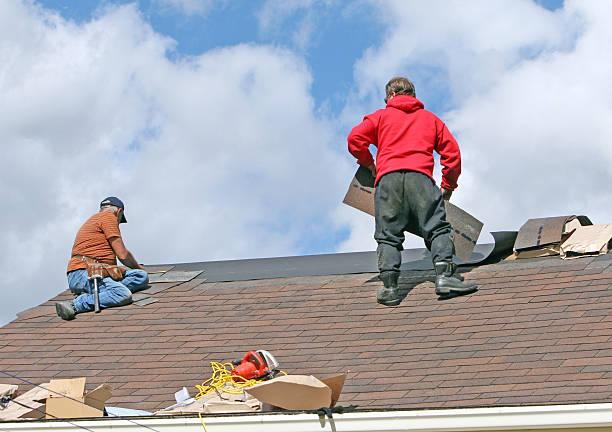
Roof size is one of the first factors considered when estimating Commercial Roofing Services but square footage alone does not determine the final price. A larger roof generally requires more materials and labor, yet two buildings with similar roof areas can have very different project costs.
The roof's design, material, slope, number of penetrations, existing surface condition, access limitations, tear-off requirements, and disposal needs can all change the scope. Seattle weather and building conditions can also affect scheduling and preparation. A useful estimate therefore starts with an evaluation of the entire roofing system rather than a simple price per square foot.
Roof Area Validates the Starting Point
Roof measurements provide the basic quantity needed for estimating membrane, metal panels, shingles, insulation, underlayment, fasteners, flashing, and other materials. As the covered area increases, material quantities generally increase as well.
Labor can also rise with size because larger surfaces require more installation time. However, the relationship is not always perfectly proportional. A small roof with complicated access or numerous penetrations can require more work per square foot than a large, uncomplicated roof.
For example, a broad commercial building with an accessible roof may allow crews to move materials efficiently. A smaller structure surrounded by neighboring buildings, mechanical equipment, or restricted loading areas may require additional handling and staging.
Roof Shape Changes the Estimate
Two roofs with the same measured area may have different installation requirements. A simple rectangular roof typically involves fewer transitions than a roof containing multiple elevations, corners, valleys, parapets, or sections.
Complexity can increase the amount of:
-
Flashing and edge material required
-
Cutting and fitting around roof penetrations
-
Sealing and detailing at transitions
-
Labor needed around mechanical equipment
-
Material waste from irregular dimensions
These details become especially relevant when estimating commercial roof inspection Seattle, WA projects that identify several areas requiring corrective work before or during a larger roofing project.
Penetrations Add Labor Beyond Square Footage
Commercial roofs frequently contain vents, HVAC equipment, pipes, skylights, drains, curbs, and other penetrations. Each opening creates an area that must be properly integrated into the roofing system.
A large roof with few penetrations may be relatively straightforward. A smaller roof crowded with mechanical equipment can demand substantially more detailing. Crews may need to work around existing equipment while maintaining proper flashing and drainage conditions.
Existing Roof Conditions Can Shift the Scope
Roof size determines how much surface is involved, but existing conditions determine how much preparation may be necessary.
An older roof may have damaged membrane sections, wet insulation, deteriorated flashing, loose materials, ponding areas, or previous repairs. Some projects may involve an overlay where existing conditions permit it, while others may require removal of the existing system before installation.
For a project involving commercial roof replacement Seattle, WA, the difference between installing over an acceptable existing surface and completing a full tear-off can substantially affect labor, disposal, and material requirements.
A professional assessment helps determine whether the existing assembly can remain in place or whether removal is appropriate.
Tear-Off and Disposal Become Larger With Bigger Roofs
When an existing roofing system must be removed, roof size directly affects the amount of material that has to be handled. Larger buildings can produce greater quantities of membrane, insulation, fasteners, metal edging, flashing, and other debris.
Removal also involves more than taking material off the roof. Crews must consider how debris reaches the ground and where it can be staged before disposal.
Access conditions can influence this part of the estimate. Narrow driveways, restricted loading zones, gates, stairs, limited parking, or surrounding structures may make material movement more time-consuming.
If roofing materials must pass through a particular doorway or access route, dimensions can also become relevant. Large equipment or bundled materials may need a different staging approach when conventional access is restricted.
Seattle Building Access Can Affect Labor
Commercial properties often operate under tighter logistical constraints than vacant construction sites. A roof replacement may need to account for employees, customers, deliveries, neighboring businesses, parking areas, and building entrances.
Material delivery and equipment placement may require coordination around existing operations. Protection may also be necessary for walkways, walls, floors, landscaping, vehicles, or other areas exposed to falling debris or heavy material movement.
A project with convenient access can reduce handling time. When crews must move materials longer distances or use more controlled access routes, labor requirements may increase even when the roof dimensions remain unchanged.
Material Selection Changes the Cost Equation
Roof size determines the quantity of material, but the selected roofing system determines the type and cost of that material.
A commercial property may use systems such as single-ply membranes, modified bitumen, built-up roofing, metal roofing, or other assemblies suited to the building and existing conditions. Insulation requirements, attachment methods, edge details, drainage components, and flashing can further affect the scope.
For example,roof repair Seattle, WA work may focus on localized defects, while a full replacement involves substantially more material and labor. A repair estimate based solely on the total roof area could therefore be misleading.
Drainage and Slope Can Require Additional Work
Roof size does not indicate how effectively water moves across the surface. Drain locations, slope, drainage paths, and areas of ponding can affect both the roofing system and the work required during installation.
A large roof with an efficient drainage design may present fewer complications than a smaller roof where water collects around drains or low points.
If drainage components need adjustment, additional work may include improving water flow, replacing damaged drains, correcting localized slope issues, or modifying surrounding roofing details. The specific solution depends on the existing assembly and site conditions.
Estimating a Large Roof Requires More Than a Measurement
A reliable commercial roofing estimate typically considers several pieces of information together:
-
Roof dimensions and configuration
-
Existing roofing materials and condition
-
Selected replacement or repair system
-
Insulation and substrate requirements
-
Flashing, curbs, penetrations, and edge details
-
Access, staging, removal, and disposal conditions
The roof plan and measurements establish quantities, while an on-site assessment identifies conditions that a basic measurement cannot reveal.
For Seattle properties, weather exposure can also affect scheduling and temporary protection requirements. Roofing work generally depends on suitable conditions for installation of specific materials, so project timing may be considered alongside the physical scope.
What Happens After the Roof Work Is Completed?
Completion involves more than installing the primary roofing material. The finished project may require inspection of seams, flashing, penetrations, drainage points, edges, and other details.
The site should also be cleared of roofing debris and temporary materials. Access areas may need to be restored, and any equipment or staging materials should be removed according to the project plan.
For larger commercial properties, a final review can help identify unfinished details before the crew leaves the site. Documentation, maintenance recommendations, or warranty information may also be provided when applicable to the selected roofing system.
Seattle Roof Systems can be contacted to discuss a commercial roofing project and request an evaluation based on the property's roof size, condition, access, and intended scope.
Frequently Asked Questions
Does a larger commercial roof always cost more?
Generally, a larger roof requires more materials and labor, but size is only one cost factor. Complexity, access, existing conditions, material selection, and removal requirements can significantly change the estimate.
Can two buildings with the same roof size have different costs?
Yes. Different roof shapes, penetrations, drainage layouts, materials, access conditions, and existing roof conditions can produce different project requirements.
Does removing an old roof increase the project cost?
A full tear-off usually adds labor, handling, transportation, and disposal requirements. The actual effect depends on the roofing assembly and the quantity of material being removed.
Can difficult building access affect the estimate?
Yes. Restricted driveways, stairs, gates, loading limitations, surrounding structures, and long material-handling routes can increase labor and logistical requirements.
Does roof size affect material waste?
Larger projects generally involve more total material, but waste also depends on roof geometry and material dimensions. Irregular layouts can require more cutting and fitting than simple roof shapes.
Planning a Commercial Roofing Project
Roof size provides the foundation for a cost estimate, but it does not tell the entire story. Building access, roof geometry, existing materials, drainage, penetrations, removal requirements, and material selection all influence the actual scope.
A site-specific evaluation gives commercial property owners a clearer basis for budgeting and scheduling. For project inquiries in Seattle, WA, contact (425) 996-1386 or zoom@seattleroofsystems.com for further information.

 English
 Arabic
 French
 Spanish
 Portuguese
 Deutsch
 Turkish
 Dutch
Dutch
 Italiano
 Russian
 Romaian
 Greek
Greek
