


7 Things To Know About An Aboriginal Heritage Assessment Report
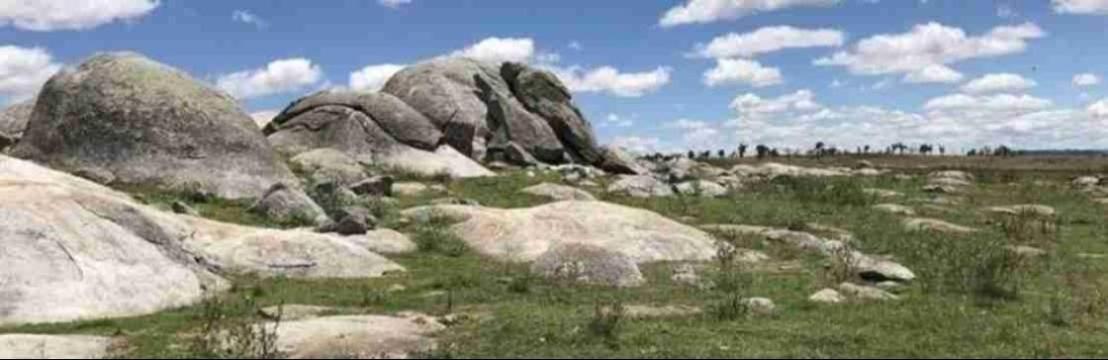
If you are planning a development in NSW, there is a good chance you will need to navigate Aboriginal heritage requirements before your project can move forward. This is where many developers and property owners get caught out. They assume heritage compliance is straightforward, submit their development application without the right documentation, and then face delays, objections, or council requests they were not expecting.
Knowing what an Aboriginal heritage assessment involves before you start saves time, protects your project timeline, and demonstrates genuine respect for the cultural values connected to the land you are working on.
1. An Aboriginal Heritage Assessment Report Is a Legally Required Document in NSW
Submitting a development application in NSW without the correct heritage documentation when one is required is not a minor oversight. It is a compliance failure that councils will not overlook. An Aboriginal heritage assessment report is a formal document required under NSW planning legislation, including the Environmental Planning and Assessment Act 1979 and relevant Local Environmental Plans and Development Control Plans. If your project involves land near known Aboriginal sites, artefacts, or culturally sensitive areas, the report is not optional. It is part of the approval process.
2. The Report Has a Specific Formal Name: ACHAR
The document most commonly required for Aboriginal heritage compliance in NSW is called an Aboriginal Cultural Heritage Assessment Report, abbreviated as ACHAR. This report evaluates the cultural and spiritual value of a place and is typically required for development applications and infrastructure projects across the state. Knowing the correct name matters when you are communicating with councils and planning authorities, because different types of heritage reports serve different purposes and are not interchangeable.
3. It Is Not the Same as a Due Diligence Assessment
Many property owners confuse an ACHAR with a Due Diligence Assessment. They are two distinct documents. A Due Diligence Assessment is a preliminary step that identifies potential Aboriginal heritage concerns before development begins. It is often used to determine whether a full ACHAR is necessary. If the due diligence process reveals significant concerns, a more detailed ACHAR is then required. Skipping the due diligence step and assuming no further action is needed is one of the more common and costly mistakes in the NSW planning process.
4. It Requires Desktop Research and On-Site Fieldwork
Preparing an aboriginal heritage assessment report is not a desk-based exercise. A thorough report requires:
-
A search of the Aboriginal Heritage Information Management System (AHIMS) database for recorded sites in and around the project area
-
Review of historic records, planning instruments, and local heritage registers
-
On-site fieldwork conducted by a qualified archaeological consultant
-
Physical survey of the land to identify and record any Aboriginal sites or artefacts not already captured in existing databases
The desktop research and the field survey work together. One without the other produces an incomplete report that councils will not accept.
5. Consultation With Registered Aboriginal Parties Is Non-Negotiable
One of the most important elements of the ACHAR process is community engagement. Registered Aboriginal Parties (RAPs) are the Traditional Custodians who hold recognised cultural knowledge of a specific area. NSW protocols require that RAPs are consulted throughout the assessment process, not just notified at the end. The consultation is not a formality. It shapes the findings of the report, informs the significance assessment, and demonstrates that Aboriginal cultural values have been genuinely considered rather than treated as a compliance checkbox.
The consultation process typically involves:
-
Identifying the correct Registered Aboriginal Parties for the specific project area
-
Notifying RAPs of the proposed development and inviting their participation
-
Conducting site visits with RAP representatives where required
-
Documenting all consultation outcomes in the final report
6. The Report Can Support an AHIP Permit Application
If your project cannot avoid impacting a known Aboriginal site, you may need to apply for an Aboriginal Heritage Impact Permit (AHIP) from NSW authorities. The ACHAR forms part of the documentation package required to support an AHIP application. A well-prepared report that clearly documents the significance of the site, the nature of the proposed impact, and the proposed mitigation strategies gives your AHIP application the strongest possible foundation. Incomplete or poorly structured reports are one of the main reasons AHIP applications are delayed.
7. Most Reports Take 2 to 4 Weeks From Start to Final Report
Timeline is one of the most common concerns for developers who discover they need Aboriginal heritage documentation partway through a project. In most cases, a completed assessment takes 2 to 4 weeks from the initial consultation to the delivery of a final, council-ready report. The exact timeline depends on the project scope, the complexity of the site, and the requirements for community consultation with Registered Aboriginal Parties. Starting the assessment process early in your project planning avoids it becoming a critical path issue later.
Why the Right Expertise Makes Every Step Easier
For developers, landowners, and project managers working across the Hunter Valley, Newcastle, Maitland, and Mid-Coast regions, working with an experienced heritage consultant Hunter Valley who understands the specific landscape, the local council requirements, and the established relationships with Registered Aboriginal Parties in the region produces a significantly smoother assessment process than working with a generalist consultant who is unfamiliar with the area.
Conclusion
An Aboriginal heritage assessment report is not a bureaucratic obstacle. It is a process that connects development planning with genuine respect for cultural values that have existed on this land for tens of thousands of years. Understanding what it involves, what it requires, and how long it takes puts you in a much stronger position when you engage the process. Contact Hunter Archaeology at 02 4944 2010 or kerryn@hunterarchaeology.com.au to discuss your project and find out exactly what heritage assessment documentation your development will require.

 English
 Arabic
 French
 Spanish
 Portuguese
 Deutsch
 Turkish
 Dutch
Dutch
 Italiano
 Russian
 Romaian
 Greek
Greek
