


Specifying SlimLine 50 Steel Windows: Frame Profiles, Energy Ratings & Installation
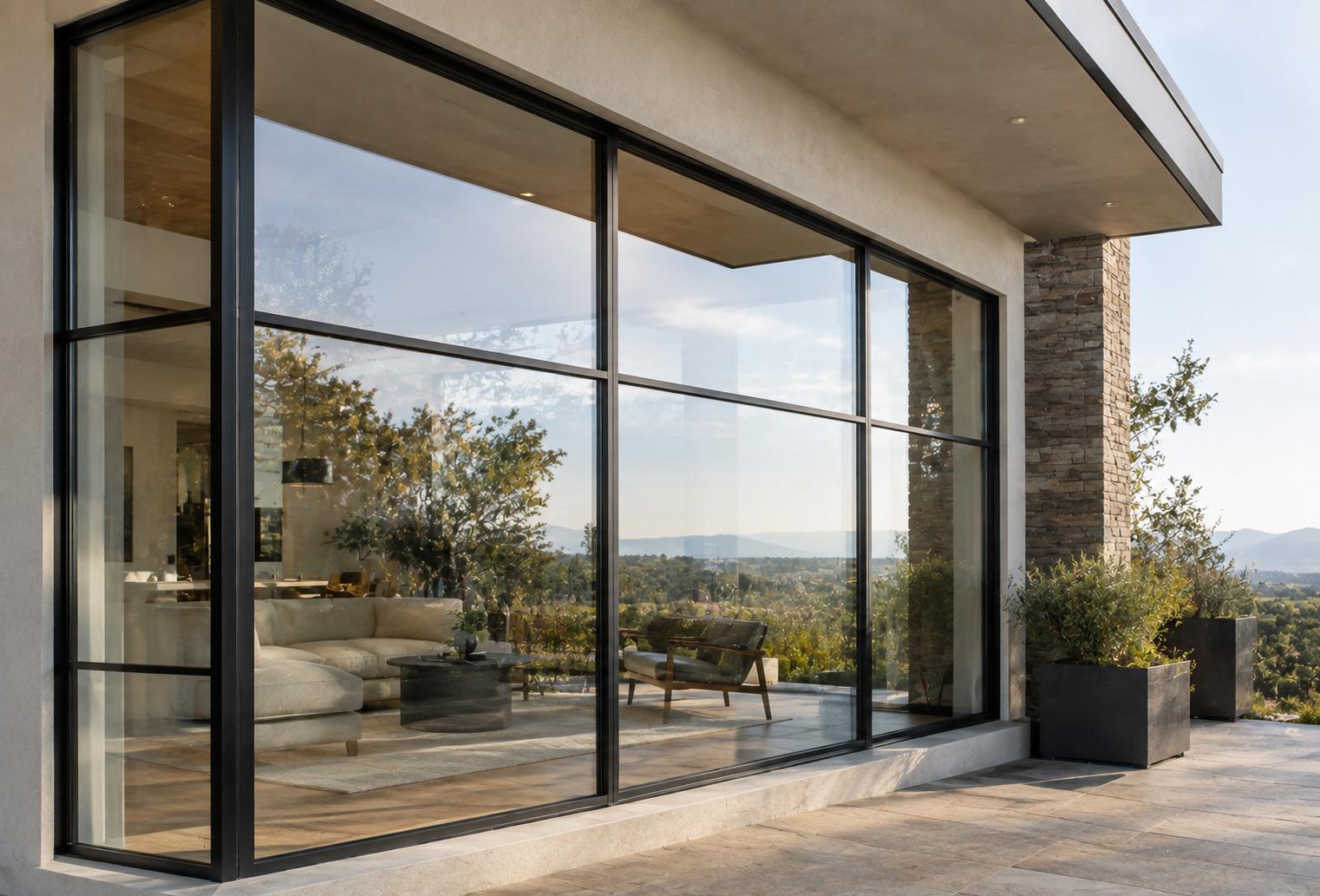
Modern architectural design relies heavily on narrow frame profiles, ultra-thin sightlines, and uninterrupted views of the outdoors. While traditional solid steel frames provided the classic aesthetic, modern energy codes require significantly higher thermal performance. Choosing the right steel window system requires a balance between historic minimalist styling and advanced building physics.
The SlimLine 50 Thermal Steel system bridges this gap by offering classic slim sightlines paired with an integrated thermal break. Whether you are an architect drafting window schedules or a general contractor preparing a job site, understanding frame profiles, energy ratings, and rough opening installation procedures ensures project success.
Architectural Frame Profiles and Sightline Dimensions
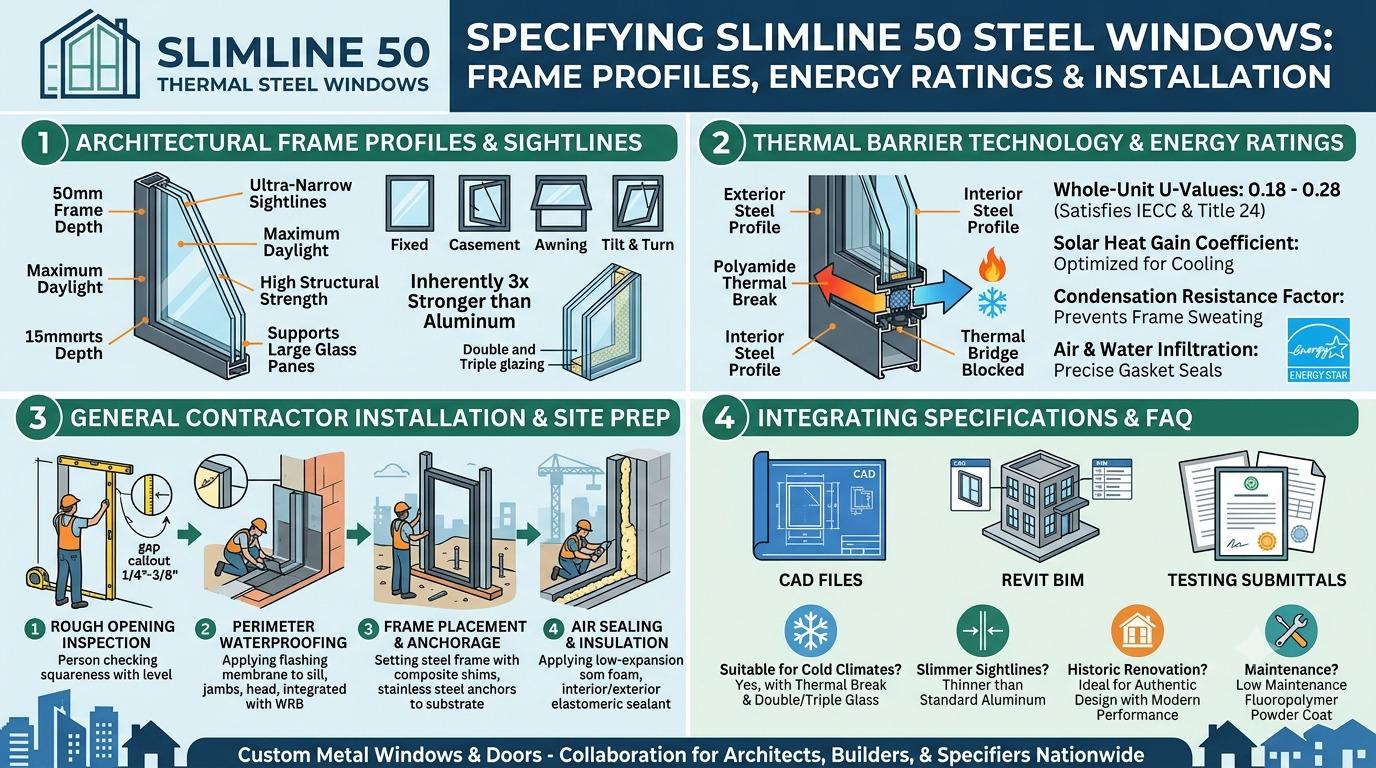
The primary reason design professionals specify steel over alternative materials is structural strength. Steel is inherently three times stronger than aluminum, allowing fabricators to create extremely narrow frame profiles that support heavy double or triple-glazed glass units.
The SlimLine 50 profile features a compact 50 mm frame depth, creating an ultra-slim sightline that maximizes natural daylight entry. This thin profile depth makes it suitable for both modern minimalist homes and historic property restorations.
-
Ultra-Narrow Sightlines: The reduced face width delivers a clean visual appearance without compromising structural integrity or wind-load resistance.
-
Versatile Opening Types: The profile geometry supports multiple configurations, including fixed picture windows, side-hung casements, bottom-hung awnings, and inward tilt and turn systems.
-
Glazing Pocket Capacity: Designed to hold insulated glass packages ranging from standard double glazing to high-performance triple glazing for maximum sound attenuation and thermal control.
-
High Structural Load Limits: Supports larger glass panes without requiring bulky intermediate mullions or heavy reinforcement bars.
Thermal Barrier Technology and Energy Code Ratings
Historical non-thermally broken steel frames were notorious for conducting cold temperatures and creating condensation indoors. Modern engineering resolves this issue by introducing a high-density polyamide composite strip between the interior and exterior steel sections.
This structural thermal barrier stops thermal bridging, ensuring the metal frame maintains warm interior surface temperatures even in freezing winter conditions.
When evaluating thermally broken steel window performance, specifiers look at key laboratory testing metrics to confirm local energy code compliance.
-
Whole-Unit U-Values: The insulating barrier lowers whole-unit u-factor ratings down to efficient ranges between 0.18 and 0.28, satisfying strict energy standards like IECC and California Title 24.
-
Solar Heat Gain Coefficient: Pairing the frame with low-E glass coatings optimizes solar heat gain coefficient values, keeping interior spaces cool during hot summer months.
-
Condensation Resistance Factor: Elevating interior surface temperatures achieves a high condensation resistance factor, preventing frame sweating, moisture buildup, and indoor mold growth.
-
Air and Water Infiltration: Precision gasket seals and weatherstripping ensure compliance with strict ASTM air leakage and water penetration resistance standards.
General Contractor Installation and Site Preparation
Proper job site preparation and rough opening execution are critical to achieving the promised thermal and structural performance of custom metal windows. Because steel frames are rigid, installation tolerances must be carefully managed.
Building perimeter flashing, rough opening framing, and substrate anchorage must be planned before delivery to prevent air gaps or water intrusion around the window bucking.
Step 1: Rough Opening Inspection and Tolerances
Verify that the rough opening is square, level, and plumb. The opening dimensions should allow a consistent perimeter gap of one-quarter inch to three-eighths inch for structural shimming and perimeter joint sealant backer rods.
Step 2: Perimeter Waterproofing and Flashing Details
Apply self-adhered membrane flashing across the sill pan, jambs, and head. Ensure the waterproofing layer integrates seamlessly with the surrounding weather-resistive barrier to channel any stray moisture safely outdoors.
Step 3: Frame Placement and Structural Anchorage
Set the steel frame into the opening using high-density composite shims directly at load points and anchor locations. Fasten the frame using stainless steel anchors designed for the specific substrate, such as concrete, masonry, or structural steel framing.
Step 4: Air Sealing and Thermal Insulation
Fill the perimeter gap between the steel frame and wall framing with low-expansion closed-cell polyurethane foam. Apply a high-performance elastomeric sealant to the interior and exterior joints to create a continuous air and vapor seal.
Integrating Specifications into Building Plans
To prevent product substitution during the contractor bidding phase, architects must include precise system information inside CSI Section 08 51 23 steel windows documentation.
Properly detailing system requirements ensures the general contractor sources frames that meet exact engineering and visual standards.
-
Cad and Drafting Files: Incorporate exact steel window CAD details into construction drawings to illustrate wall attachment points, perimeter flashing layers, and interior trim returns.
-
Revit BIM Integration: Drop parametric steel window revit families into the 3D building model to automatically generate complete window schedules populated with glass types, frame finishes, and hardware requirements.
-
Testing Submittals: Require the window manufacturer to submit certified NFRC thermal test reports, AAMA performance class results, and finish coating durability certifications prior to fabrication.
Frequently Asked Questions
Can the SlimLine 50 steel system be used in cold northern climates?
Yes, the integrated polyamide thermal break isolates the interior steel profile from exterior freezing temperatures. When fitted with double or triple-pane glass packages, the system easily meets energy code requirements for northern freeze-thaw zones.
How does the sightline width of SlimLine 50 compare to traditional aluminum frames?
The SlimLine 50 profile delivers significantly thinner sightlines than standard thermally broken aluminum windows. Because steel possesses higher tensile strength, the frame can be much narrower while supporting equal or greater glass loads.
Is the SlimLine 50 system suitable for historic renovation projects?
Yes, the narrow frame profile closely mimics historic putty-glazed steel windows installed throughout early 20th-century commercial and residential buildings. It is frequently approved by historic preservation boards looking for modern thermal performance with authentic design.
What maintenance is required for exterior custom steel window frames?
Modern steel frames receive multi-stage corrosion protection, such as hot-dip galvanizing or zinc priming, followed by a durable fluoropolymer powder coat. Routine maintenance simply involves cleaning the frames with mild soap and water once or twice a year to remove dust and debris.
Planning a high-end residential build, commercial space, or historic restoration project? The engineering team at Custom Metal Windows & Doors collaborates directly with architects, builders, and specifiers nationwide. We provide detailed CAD files, custom fabrication, and thermally broken steel window systems tailored to your exact architectural blueprints.

 English
 Arabic
 French
 Spanish
 Portuguese
 Turkish
 Dutch
Dutch
 Italiano
 Russian
 Romaian
 Portuguese (Brazil)
 Greek
Greek
