


How To Install CCTV: A Complete Guide
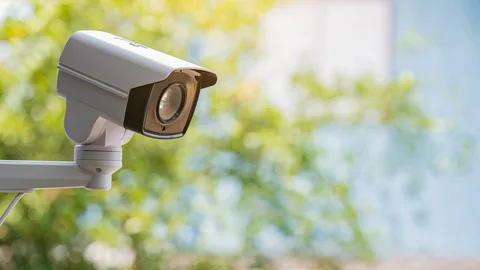
Closed-circuit television systems have become one of the most widely used tools for property protection and incident management. Whether used in a retail environment, an office building, or a residential property, a well-designed and correctly installed CCTV system provides continuous visual monitoring, evidence in the event of incidents, and a demonstrable deterrent against criminal activity. Property owners seeking professional services for CCTV Installation in Hammersmith will find that the quality of the installation significantly affects both the performance and the longevity of the system.
This guide explains the core elements of a CCTV installation project and what property owners should know before commissioning a system.
Planning the CCTV System
A CCTV system should be designed before any equipment is purchased or installed. The design phase involves assessing the property, identifying vulnerable areas, and determining the number and type of cameras required to provide adequate coverage.
Site Survey
A thorough site survey maps out all entry and exit points, areas with high foot traffic, blind spots, and locations where lighting may affect camera performance. The survey results inform the placement of each camera and the routing of cabling.
Identifying Coverage Requirements
Different areas of a property have different coverage needs. External perimeter cameras need a wide-angle lens and weather resistance. Internal cameras monitoring corridors or till areas may require a higher resolution to capture detailed footage. Selecting the appropriate camera type for each location is a key part of the design process.
Camera Types and Technologies
Modern CCTV systems offer a range of camera technologies, each suited to different applications and environments.
Dome Cameras
Dome cameras are a common choice for internal installations. Their compact, unobtrusive design makes them suitable for retail, hospitality, and office environments. The dome housing makes it difficult for observers to determine the exact direction the camera is pointing, which has a deterrent effect.
Bullet Cameras
Bullet cameras are typically used for external coverage where a longer range field of view is required. Their cylindrical design makes them highly visible, which can act as a deterrent, and they are generally easier to aim at a specific area than dome cameras.
PTZ Cameras
Pan, tilt, and zoom cameras can be remotely controlled to cover large areas or to focus on specific points of interest. They are commonly used in large open spaces such as car parks, sports facilities, or wide perimeter areas.
Recording and Storage
The value of a CCTV system depends on its ability to store footage reliably and for an appropriate duration. The recording system must have sufficient capacity to retain footage for the required period, which is often a minimum of 30 days for commercial properties.
Digital Video Recorders and Network Video Recorders
Traditional systems use digital video recorders connected to analogue cameras. Modern IP-based systems use network video recorders, which offer higher resolution, greater scalability, and integration with other network-based security systems.
Remote Viewing
Most contemporary systems allow footage to be viewed remotely via a secure internet connection. This allows business owners and property managers to monitor their premises from anywhere with an internet connection.
TV Wall Mounting as a Complementary Service
For businesses that use display screens for monitoring CCTV feeds, staff information, or customer communications, professional wall mounting is often required alongside the security installation. Proper mounting ensures screens are securely fixed at the correct viewing height and angle, with cables neatly managed.
Property owners combining security upgrades with display solutions benefit from professional services such as tv wall mounting in croydon to ensure screens are safely and professionally installed in monitoring rooms, reception areas, or commercial spaces. Correct cable management during installation prevents hazards and creates a clean, professional appearance.
Maintenance and System Upkeep
A CCTV system requires periodic maintenance to ensure it continues to perform at its designed standard. Cameras should be cleaned regularly, recording schedules checked, and storage capacity monitored. Any camera whose field of view has been obstructed by vegetation, construction, or repositioned objects should be readjusted promptly.
Conclusion
A professionally installed CCTV system is one of the most effective investments a property owner can make in their security infrastructure. Careful planning, appropriate camera selection, reliable recording, and ongoing maintenance ensure that the system delivers genuine protection and peace of mind over its operational life.

 English
 French
 Spanish
 Portuguese
 Deutsch
 Turkish
 Dutch
Dutch
 Italiano
 Russian
 Romaian
 Portuguese (Brazil)
 Greek
Greek
