


Eculizumab Injection: Uses, Side Effects, Mechanism & Safety
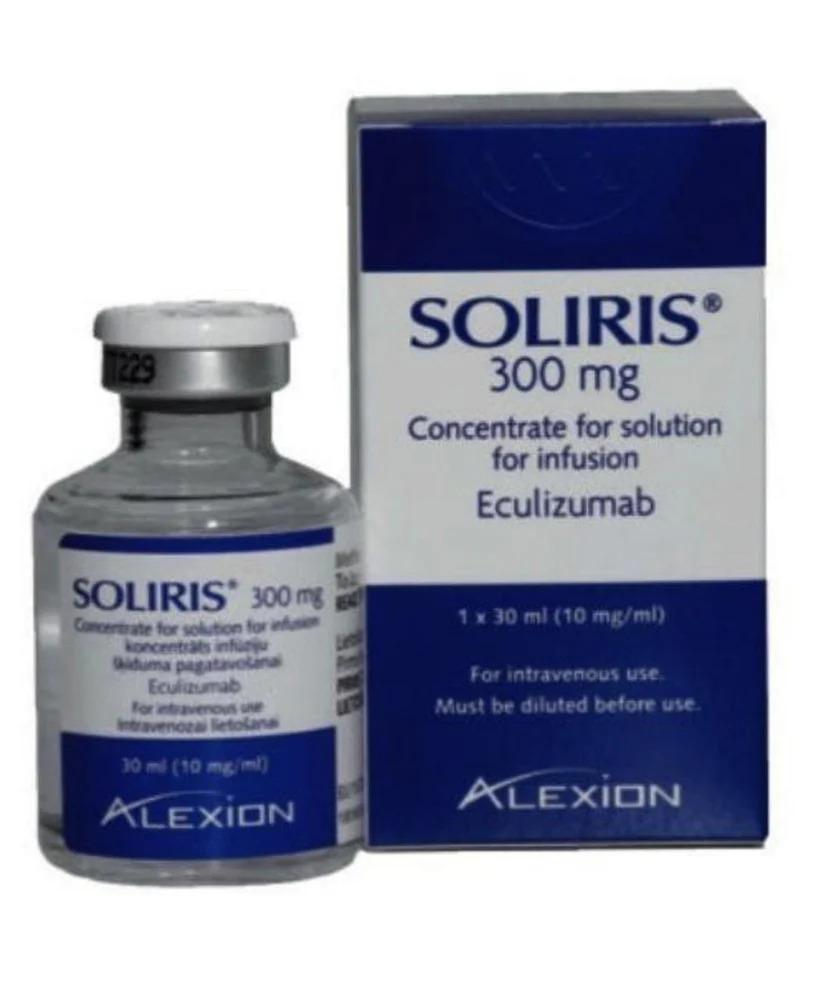
The injection belongs to a class of medications called monoclonal antibodies. Doctors prescribe this powerful complement inhibitor to treat several rare, chronic conditions. As eculizumab injection targets the immune system of the patient. Patient must follow all strict safety precautions to avoid any side effect of the medication.
What Is This Injection Used For?
This injection targets rare genetic and autoimmune diseases by preventing the immune system from attacking its own healthy blood cells and tissues. Hence, patients experience fewer severe symptoms and enjoy a better life.
Which Serious Health Conditions Can It Help Treat?
Clinical condution which it can treat are:-
-
Paroxysmal nocturnal hemoglobinuria (PNH): this is a disorder in which immune system destroys RBCs
-
Atipical hemolytic uremic syndrome (aHUS): a disease-causing abnormal blood clot in small blood vessels.
-
Generalized Myasthenia Gravis (gMG): it is a neurological condition that can cause severe muscle weakness.
-
Neuromyelitis optical spectrum disorder (NMOSD): an autoimmune disease that can damage the optic nerves and spinal cord.
How does this treatment work in the body?
The injection blocks the complement proteins C5 in the immune system. By doing this, it keeps the protein from breaking into harmful fragments. This results in the prevention of organ inflammation by halting RBCs destruction.
What Happens During the Intravenous Infusion?
A healthcare provider gives the medication through a vein, usually by the IV infusion that lasts about 35 minutes to one hour. After that, the medical team monitors the patient for at least one hour to check for any immediate allergic reactions.
What Are the Most Common Side Effects?
While the drug provides great benefits, it can cause mild side effects.
-
Headache and dizziness
-
Nausea and stomach-ache
-
Stuffy nose and sore throat
-
Joint and muscle pain
Which serious side effect needs immediate medical attention?
Patients must seek emergency care if they notice severe symptoms. Like chest pain, breathing difficulties, sudden facial swelling. Additionally, take care for high fever, stiff neck and extreme light sensitivity.
Why Is Protection Against Serious Infections Important?
It is important to protect against serious infections because this vaccination can suppress the immune system which in turns increases the risk of rapid and life-threatening infections, if doctors do not treat it early.
What Precautions Should Patients Follow Before Starting Treatment?
The patient must receive a meningococcal vaccine two weeks prior the first dose. Furthermore, doctors may prescribe preventive antibiotics during the initial phase to ensure maximum safety.
Other precautions that should be followed can be: -
-
The patient should his or her medical history of any disease, condition (pregnancy, diabetes, kidney disease) or allergies.
-
Confirm if you need to fast or avoid any food or drink.
Can This Treatment Increase the Risk of Other Infections?
Yes, this injection may increase susceptibility to other bacteria. Consequently, patients face higher risk for respiratory illness, urinary tract infection, and fungal infection.
What Should Patients Know Before and During Treatment?
Most importantly, never skip an infusion appointment. Abruptly stopping the treatment can triggers severe, sudden red blood cell breakdown. Additionally, always carry your patient safety card to alert emergency medical workers.
Conclusion
The medicine is used for the treatment of some rare immune system disorders, kidney and blood problems. Ultimately Eculizumab injection uses and side effects are several, you should discuss these thinks with doctor before starting your treatment plan. Also, it offers life saving support for rare disorders. However, patients must balance the benefit with strict safety habits and regular medical monitoring.
FAQs
Can I receive this eculizumab injection at home?
No, a professional must administer it in a clinic to manage potential infusion reaction safely. Hence, receiving the injection at home can be risky.
What happens if I miss a dose?
You must contact your doctor immediately because missing a dose can risk severe disease relapses. Therefore you can always set an alarm for medicine so you may not forget it.

 English
 Arabic
 French
 Spanish
 Portuguese
 Deutsch
 Turkish
 Dutch
Dutch
 Italiano
 Russian
 Romaian
 Portuguese (Brazil)
