


7 Things to Know Before Starting Landscape Demolition in Corona, CA
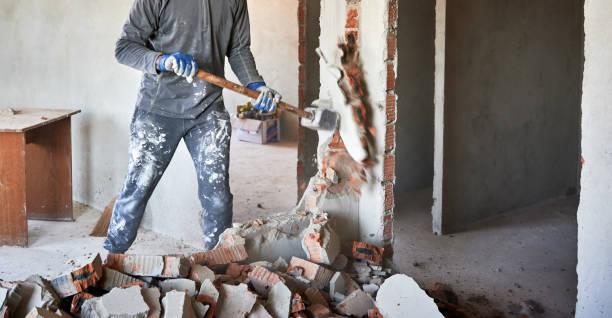
Starting landscape demolition service requires more planning than simply removing plants and tearing out unwanted outdoor features. A landscape may contain irrigation lines, buried utilities, concrete, retaining structures, drainage systems, mature trees, and materials that need separate handling. Before work begins, property owners should understand what is being removed, what must be protected, and how the site will be prepared for whatever comes next. Good planning can reduce avoidable damage, cleanup problems, and interruptions during the project.
1. Define the Demolition Area Before Work Begins
Landscape demolition should start with a clear boundary. The project may involve removing an entire yard or only selected features such as a lawn, planter beds, patio, walkway, shrubs, fencing, or an outdoor structure.
They should identify exactly which features are coming out and which ones are staying. This is particularly important when demolition is taking place around existing trees, mature landscaping, pools, utility equipment, or structures that need to remain undisturbed.
A simple site plan or marked-up photograph can help communicate the scope. Areas scheduled for removal can be identified separately from protected areas, reducing the chance of equipment or workers entering the wrong part of the property.
The demolition plan should also account for what happens immediately afterward. Removing a concrete patio for a new planting area creates different site-preparation requirements from removing an old lawn before installing new hardscape.
2. Check Utilities Before Digging or Excavating
Outdoor demolition can involve excavation, grading, stump removal, concrete removal, or heavy equipment. Underground utilities therefore deserve attention before work starts.
Water lines, irrigation pipes, electrical conduits, gas lines, communication cables, and other buried infrastructure may run through areas that appear completely clear from the surface.
They shouldn't rely on memory or old property plans alone. Utility locations should be verified through the appropriate local utility-locating process before excavation begins.
Irrigation deserves special attention because landscape systems can be extensive and may connect to valves, controllers, sprinklers, and supply lines in several areas.
For demolition contractors in Corona, CA, having accurate information about known utilities and irrigation infrastructure can help define safer working boundaries before equipment enters the site.
3. Decide What Happens to Existing Plants
Plant removal isn't always as simple as cutting vegetation down. Large shrubs, established trees, root systems, and deeply planted materials can affect the demolition approach.
If a tree is supposed to remain, its root zone and surrounding soil should be treated as a protected area. Heavy equipment operating too close to established trees can disturb soil or damage roots even when the trunk itself isn't touched.
They should also determine whether any plants are being relocated rather than discarded. A landscape renovation may include transplanting selected plants while removing others.
Tree work can have additional considerations, particularly for larger trees or protected species. Before removal, the property owner should confirm whether local requirements, permits, or arboricultural assessment apply to the specific situation.
4. Account for Concrete and Other Hardscape
Landscape demolition frequently involves more than organic material. Patios, walkways, retaining walls, concrete borders, pavers, outdoor kitchens, masonry features, and other hardscape may need to be removed before the new landscape can be built.
The demolition method depends on the material and construction. A few loose pavers can be handled differently from a reinforced concrete patio or masonry retaining wall.
They should also consider what lies beneath the hardscape. Removing a concrete surface may expose compacted base material, drainage components, utility lines, or an uneven substrate that needs further work.
For yard demolition services in Corona, CA, the property owner should clarify whether the scope includes breaking, loading, hauling, and disposal of demolished hardscape materials or whether those tasks are handled separately.
5. Plan for Soil, Drainage, and Grading Changes
One of the most consequential parts of landscape demolition happens after the visible features are gone. Removing lawns, raised beds, hardscape, or structures can change the site's elevations and expose underlying soil conditions.
A new landscape may require different grading from the old one. Water needs to move away from structures rather than collect against foundations or in low areas.
Demolition crews and landscape contractors may therefore need to coordinate their work. The demolition phase should leave the site in a condition that supports the next stage instead of creating additional excavation or fill work.
They should discuss whether the project includes rough grading, soil removal, backfilling, compaction, or other site preparation. These aren't automatically included in every demolition service.
6. Know How Demolition Debris Will Be Handled
Landscape demolition can produce a surprisingly varied waste stream. Grass, branches, roots, soil, concrete, pavers, wood, fencing, plastic landscape materials, and other debris may all come from the same project.
These materials shouldn't necessarily be treated as one category. Some may have recycling, composting, reuse, or other recovery possibilities, while others require conventional disposal.
They should ask the demolition provider how debris will be collected and whether hauling is included in the quoted scope.
For residential landscape demolition in Corona, CA, this question is especially useful when the property owner is trying to understand the complete project cost. A demolition price that excludes debris transportation can create additional work and expense later.
How Demo Pros Plus Fits Into Landscape Demolition
Demo Pros Plus can be part of the planning and demolition process when a property owner needs existing landscape features removed before a renovation or new outdoor design.
Before scheduling, they can provide information about the areas being demolished, existing hardscape, vegetation, irrigation, access points, and approximate project size. Photos can also help communicate the site's current condition.
The clearer the initial scope, the easier it is to distinguish demolition work from subsequent landscaping, grading, or installation tasks.
Property owners comparing landscape demolition services in Corona, CA should ask what is included in the service rather than assuming every company handles the same range of work. Removal, loading, hauling, disposal, grading, and utility-related preparation can represent separate components of a larger project.
7. Plan Access for Equipment and Debris Removal
Even a well-defined demolition plan can become difficult if equipment can't reach the work area.
They should evaluate driveway width, gates, side-yard access, overhead clearance, slopes, parking restrictions, and the distance between the demolition area and the loading point.
A backyard accessible only through a narrow gate may require a different approach from a front yard with direct driveway access. Large concrete removal can also require equipment and hauling arrangements that aren't necessary for a simple planting-bed demolition.
The property owner should communicate these conditions before work begins. If access is limited, the demolition provider can determine how materials and equipment should move through the property while minimizing unnecessary impact on areas that are staying.
What Should Be Protected During Demolition?
A demolition project should have clear protection zones. Features that remain can include mature trees, exterior walls, windows, pools, fences, utility equipment, irrigation controls, driveways, and neighboring property areas.
They should identify these features before equipment arrives. Temporary barriers or clearly marked boundaries may be appropriate depending on the site.
Neighboring properties also deserve consideration when demolition occurs close to property lines. Debris, equipment movement, dust, and noise can extend beyond the immediate work area, so the project should be organized with surrounding conditions in mind.
When Landscape Demolition Requires Extra Planning
Some projects have more variables than others. Removing a small flower bed is relatively different from demolishing a backyard containing concrete, mature vegetation, retaining walls, irrigation, and multiple elevations.
Extra planning may be warranted when the project includes:
-
Large trees or extensive root systems
-
Reinforced concrete
-
Retaining walls
-
Buried irrigation or utilities
-
Steep or uneven terrain
-
Limited equipment access
-
Pool-adjacent demolition
-
Large quantities of soil or debris
-
Structures attached to the landscape
The presence of these features doesn't automatically make demolition impractical. It simply means the project should be assessed before work starts.
Common Mistakes Property Owners Should Avoid
One mistake is beginning demolition before the entire removal boundary has been established. This can result in damage to landscaping or structures that were meant to remain.
Another is overlooking underground infrastructure. Irrigation systems and utilities can be hidden beneath areas that appear suitable for excavation.
Failing to plan debris removal is another common problem. A property owner may focus on demolition itself without considering how concrete, soil, vegetation, and other materials will leave the property.
They should also avoid assuming that demolition includes grading or landscape installation. Those tasks should be defined separately so everyone understands where one phase ends and the next begins.
A Practical Pre-Demolition Checklist
Before scheduling landscape demolition, they should confirm:
-
Which landscape features will be removed
-
Which trees, structures, and surfaces must remain
-
Where underground utilities and irrigation lines are located
-
Whether any trees require additional evaluation or approval
-
What hardscape materials are included
-
How demolition debris will be loaded and transported
-
Whether grading or soil preparation is part of the scope
-
How equipment will access the work area
-
What areas need protection
-
What work will follow demolition
This preparation creates a clearer connection between demolition and the new landscape plan.
Frequently Asked Questions
What can landscape demolition include?
It can include removal of vegetation, lawns, planter beds, concrete, pavers, retaining features, fencing, irrigation components, and other outdoor improvements, depending on the agreed scope.
Does landscape demolition include grading?
Not automatically. Grading, soil removal, backfilling, and compaction may be separate services. They should confirm the scope before work begins.
Should irrigation lines be identified before demolition?
Yes. Irrigation pipes, valves, and other components can be buried beneath landscape areas. Their locations should be identified before excavation or heavy equipment work.
Can existing trees remain during landscape demolition?
They can in many projects, but the work area should be planned around them. Large trees may require additional evaluation, and local requirements can apply to certain tree removals.
Who handles landscape demolition debris?
The responsible party depends on the service agreement. They should confirm whether loading, hauling, and disposal of vegetation, concrete, soil, and other debris are included.
How far in advance should landscape demolition be planned?
The appropriate lead time depends on project size, access, scheduling, material handling, and any required approvals or utility locating. Larger or more complicated sites generally benefit from earlier planning.

 English
 Arabic
 French
 Spanish
 Portuguese
 Deutsch
 Turkish
 Dutch
Dutch
 Italiano
 Romaian
 Portuguese (Brazil)
 Greek
Greek
