


How to Use Japanese Hot Springs with Confidence as a Tourist
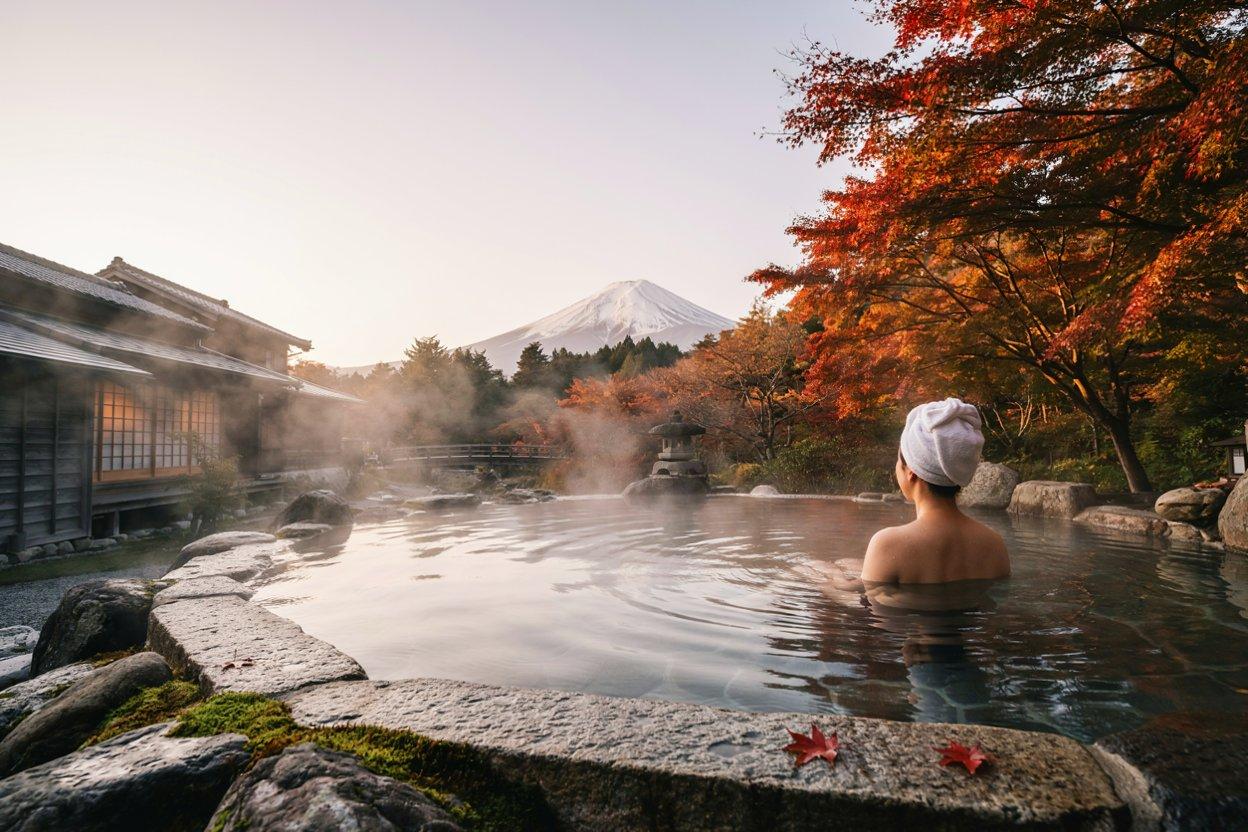
Few experiences capture the spirit of Japan quite like soaking in a traditional onsen. Surrounded by mountains, forests, or peaceful gardens, these natural hot springs offer relaxation, cultural immersion, and a chance to slow down after days of sightseeing.
However, many first-time visitors feel nervous before entering an onsen. Questions about tattoos, bathing etiquette, or what to bring are common. The good news is that once you understand a few basic customs, visiting an onsen becomes simple and enjoyable.
This complete onsen etiquette guide explains the essential Japanese hot spring rules and everything you should know before visiting an onsen, so you can enjoy the experience with confidence and respect.
Why Onsen Etiquette Is Important in Japan
Onsens are much more than places to bathe. They are part of Japanese culture and have been enjoyed for centuries as spaces for relaxation, wellness, and quiet reflection.
Unlike swimming pools or spas in many countries, onsens follow customs that prioritize cleanliness, respect for others, and maintaining a peaceful atmosphere.
Locals generally understand that international visitors may not know every rule, but making an effort to follow proper etiquette is always appreciated. Even learning a few basic customs shows respect for Japanese traditions and enhances your overall experience.
Before Visiting an Onsen: What You Should Know
Preparation starts before you even arrive.
Check the Tattoo Policy
Traditionally, many Japanese hot springs prohibit visible tattoos because of historical associations with organized crime. Today, attitudes are gradually changing, especially in tourist-friendly areas.
Some onsens now:
- Welcome tattooed guests
- Allow small tattoos if covered with skin patches
- Offer private baths for guests with tattoos
- Have completely relaxed tattoo policies
Always check the facility's website before your visit to avoid disappointment.
Bring Only the Essentials
Most onsens provide nearly everything you'll need, including:
- Small towel
- Large bath towel
- Shampoo
- Conditioner
- Body soap
- Hairdryer
- Lockers
If you're staying at a ryokan, towels are often included with your room.
Stay Hydrated
Hot spring water is very warm, usually between 38°C and 42°C (100°F–108°F). Drink water before entering to stay comfortable, especially during longer soaking sessions.
Complete Onsen Etiquette Guide: Step-by-Step
Following proper etiquette is easier than many visitors expect.
1. Remove Your Shoes
Before entering the changing area, take off your shoes and place them in the designated lockers or shelves.
2. Undress Completely
One of the biggest surprises for many tourists is that traditional onsens are enjoyed without swimsuits.
Public baths are separated by gender, allowing everyone to bathe comfortably.
Keep your clothing inside your locker and carry only the small towel into the bathing area.
3. Wash Thoroughly Before Entering
This is the most important rule.
Sit at one of the shower stations and wash your entire body using soap and shampoo before entering the hot spring.
Rinse thoroughly to remove all soap.
The hot spring is meant for soaking—not for washing yourself.
4. Enter the Water Slowly
Ease yourself into the bath gradually, as the water can feel surprisingly hot.
Relax, breathe deeply, and allow your body to adjust.
Japanese Hot Spring Rules Every Visitor Should Follow
Understanding these common rules helps create a pleasant experience for everyone.
Keep Your Towel Out of the Water
The small towel should never touch the bath water.
Most people:
- Fold it and place it on their head
- Leave it beside the bath
Keep Noise to a Minimum
Onsens are peaceful spaces.
Speak quietly and avoid:
- Loud conversations
- Phone calls
- Music
- Splashing
Many visitors simply enjoy the silence.
Don't Swim
The hot spring is designed for soaking quietly, not swimming or exercising.
Tie Up Long Hair
Long hair should be secured so it doesn't touch the water.
Avoid Photography
For privacy reasons, photography is generally prohibited inside bathing areas.
Common Mistakes Tourists Should Avoid
Many first-time visitors worry about making mistakes, but most are easy to avoid.
Wearing a Swimsuit
Traditional public onsens require guests to bathe nude.
Private family baths are an exception, where swimwear policies vary.
Jumping Straight Into the Bath
Always wash first.
Skipping this step is considered poor etiquette.
Bringing Large Towels into the Water
Only the small towel enters the bathing area, and even that should stay out of the water.
Staying Too Long
Hot springs can be surprisingly intense.
If you begin feeling dizzy or overheated:
- Leave the bath
- Sit down
- Drink water
- Rest before soaking again
Multiple short soaks are often more enjoyable than one long session.
Tips for First-Time Onsen Visitors
If you're still feeling nervous, these tips can make your first visit much easier.
Choose a tourist-friendly onsen.
Popular destinations often have English signs and staff familiar with international guests.
Visit during quieter hours.
Early mornings and weekday afternoons are usually less crowded.
Try a private bath first.
Many ryokan and modern hot spring resorts offer private onsen rooms, allowing first-time visitors to relax without worrying about etiquette.
Observe others respectfully.
If you're unsure about something, quietly watch what local bathers do and follow their example.
Remember that everyone was a first-time visitor once.
Experience Japan's Onsen Culture with Confidence
For many travelers, visiting an onsen becomes one of the most memorable parts of a trip to Japan. The soothing mineral waters, peaceful atmosphere, and deep-rooted traditions offer a unique glimpse into Japanese culture that goes beyond sightseeing.
By understanding the basic Japanese hot spring rules, following this complete onsen etiquette guide, and preparing before visiting an onsen, you'll feel comfortable from the moment you step inside.
Rather than worrying about making mistakes, focus on enjoying the experience. Slow down, embrace the quiet surroundings, and discover why soaking in a Japanese hot spring has been a cherished tradition for generations.
Whether you're visiting a mountain ryokan, a coastal hot spring town, or a modern bathhouse in the city, your first onsen experience is likely to become one of your favorite memories of Japan.

 English
 Arabic
 French
 Spanish
 Portuguese
 Deutsch
 Turkish
 Dutch
Dutch
 Russian
 Romaian
 Portuguese (Brazil)
 Greek
Greek
