


Residential Junk Removal in Joplin, MO: What Homeowners Should Know
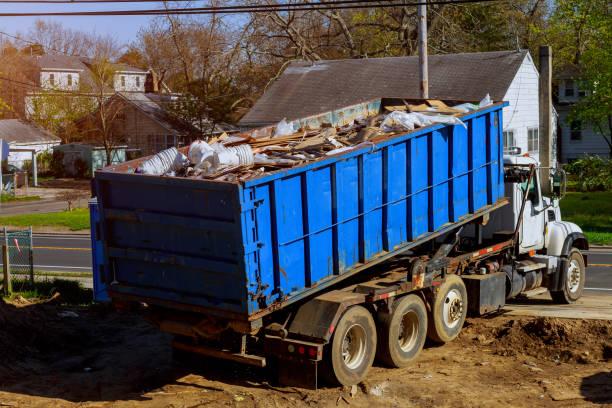
When unwanted furniture, appliances, yard debris, boxes, or accumulated household clutter starts taking over useful space, residential junk removal in Joplin, MO, can provide a practical way to clear it without making the homeowner handle every heavy item alone. The right approach begins with knowing what should be removed, what requires special disposal, how pricing is generally determined, and what preparation can make the pickup easier.
Start by Defining What Actually Needs to Go
Junk removal works best when homeowners decide what is no longer useful before scheduling a pickup. A garage cleanout, move, renovation, estate cleanout, or simple decluttering project can produce very different types and amounts of material.
Typical household items may include old couches, mattresses, tables, chairs, appliances, exercise equipment, broken electronics, cardboard, and non-hazardous household debris. Some properties also have accumulated outdoor materials such as branches, fencing pieces, or other yard waste.
The goal isn't to remove everything simply because it has been sitting unused. Items that have resale, donation, sentimental, or practical value should be separated first. That makes the removal list clearer and reduces the chance of something useful being hauled away by mistake.
Know What a Junk Removal Crew Can Accept
A common homeowner question is whether a particular item can go into the load. The answer depends on the removal provider, the material, and applicable disposal requirements.
Furniture, appliances, mattresses, household clutter, and many types of non-hazardous debris are commonly associated with residential junk removal. However, materials such as paint, fuel, certain chemicals, asbestos-containing materials, medical waste, and other regulated substances may require specialized handling.
Homeowners shouldn't assume that a removal company can legally transport every unwanted item. If an item has a warning label, contains a chemical, could be hazardous, or has unusual disposal requirements, it should be identified before booking service, and the appropriate handling process should be confirmed.
Understand What Affects the Cost
The cost of a residential junk removal job isn't determined solely by how many individual objects are present. A pile containing ten small boxes can require very different resources from ten large pieces of furniture.
Several factors can influence the final price:
-
Volume: Larger loads generally require more hauling capacity.
-
Labor: Heavy or difficult-to-move items can require additional work.
-
Accessibility: Stairs, narrow hallways, long carrying distances, and limited parking can affect the job.
-
Material type: Certain items may have different disposal requirements.
-
Location: Travel and service-area considerations can affect pricing.
-
Special handling: Oversized or unusually heavy materials may require additional planning.
For residential junk hauling in Joplin, MO, homeowners can make estimates more accurate by describing the items clearly and providing photographs when requested. A vague description such as "cleaning out the garage" doesn't tell a provider nearly as much as a list showing several shelves, a broken appliance, boxes, and a large amount of miscellaneous debris.
Preparation Doesn't Mean Doing the Heavy Lifting
Homeowners sometimes assume they need to move every item to the driveway before the crew arrives. That isn't necessarily the case. Depending on the service arrangement, cleanup crews may be able to collect items from inside the home, garage, basement, attic, or another accessible area.
Preparation is more about organization than physical labor.
Before the appointment, they should separate items that are staying from those being removed. Important documents, valuables, tools, medications, personal belongings, and usable household goods should be secured away from the cleanup area.
If the property has multiple rooms involved, it can help to identify each area clearly. This becomes especially useful during larger cleanouts where the removal list includes dozens of individual items and Reliable Property Cleanup is needed.
Plan Around the Property's Access
Access can have a surprisingly large effect on how smoothly a removal job proceeds. A large sofa sitting near a garage door is a different removal challenge from the same sofa located upstairs at the end of a narrow hallway.
Homeowners should mention relevant access conditions when arranging service. These may include:
-
Multiple stories
-
Stairs or tight turns
-
Elevators
-
Gated driveways
-
Limited parking
-
Long distances between the house and the truck
-
Large or unusually heavy objects
Providing this information ahead of time gives the removal provider an opportunity to determine whether additional equipment, labor, or planning is necessary.
Consider the Timing of the Pickup
Timing matters most when junk removal is connected to another deadline. A homeowner preparing to sell a property, move to another home, complete a renovation, or prepare an inherited property may need the space cleared by a particular date.
Waiting until the last possible day can create unnecessary pressure. If the project is large, they may want to arrange removal before contractors arrive, before listing photos are taken, or before movers begin loading household belongings.
For smaller jobs, scheduling can be simpler. The main consideration is ensuring someone can provide access and identify the materials that should be removed.
How R&D Junk Removal Fits Into the Process
R&D Junk Removal provides a local option for homeowners who need unwanted household items collected and hauled away in the Joplin area. The quality of the appointment still depends heavily on accurate information from the property owner.
They can make the process easier by communicating the approximate amount of junk, identifying unusually large items, explaining where everything is located, and mentioning any materials that could require special handling.
For homeowners comparing junk removal services in Joplin, MO, those practical details are often more useful than simply choosing a provider based on the shortest description or a low initial estimate.
Think About Disposal, Not Just Pickup
Removal doesn't end when the truck leaves the driveway. The collected material still needs to be handled appropriately.
Depending on the material and its condition, some items may have opportunities for reuse, donation, recycling, or other forms of recovery. Other materials may need to go through conventional disposal channels.
Homeowners should avoid assuming that every item will be recycled or donated. Those outcomes depend on the type and condition of the material, available facilities, and the provider's handling practices.
When disposal is a concern, they can ask the removal company how common materials from the job are typically handled. That question can provide a clearer picture of the service than focusing on pickup alone.
Situations Where Professional Removal Makes Sense
Not every household cleanout requires outside help. A homeowner with a few lightweight boxes may be able to handle the work independently. The calculation changes when the project involves bulky objects, large quantities, limited vehicle space, or a tight schedule.
Professional removal can be particularly practical when the job involves a full garage, multiple rooms, a move-out, renovation debris, or furniture that is difficult for one person to transport.
Physical effort is another consideration. Heavy appliances, mattresses, large furniture, and awkward objects can be difficult to maneuver safely through a home. Homeowners should avoid attempting lifts or moves that exceed their ability simply to save time or money.
Common Mistakes Homeowners Should Avoid
One mistake is failing to identify restricted materials until the day of pickup. That can complicate the appointment and leave the homeowner responsible for finding another disposal method.
Another is providing an incomplete description of the load. If the actual volume is much greater than what was initially described, the original estimate or truck requirements may no longer apply.
It is also easy to forget about hidden accumulation. Garages, sheds, basements, attics, and side yards can contain substantial amounts of unwanted material that aren't obvious during a quick walkthrough.
Finally, homeowners should inspect the property before the crew leaves. They should confirm that the requested items are gone and that belongings meant to stay haven't been included accidentally.
A Simple Checklist Before Pickup
A short preparation checklist can prevent most avoidable problems:
-
Walk through every area included in the cleanout.
-
Separate belongings that should remain.
-
Identify unusually large, heavy, or difficult-to-access items.
-
Set aside materials that may require specialized disposal.
-
Take photos if they can help explain the job.
-
Confirm the pickup time and access arrangements.
-
Check the cleared areas after removal is finished.
The more accurately the homeowner defines the job, the easier it is to coordinate the right type of removal service.
Frequently Asked Questions
What items can usually be removed from a home?
Common residential junk includes unwanted furniture, appliances, mattresses, boxes, household clutter, and many types of non-hazardous debris. Accepted materials vary by provider, so unusual items should be confirmed before pickup.
Does everything need to be placed outside?
Not necessarily. Depending on the service, crews may collect approved items from inside the property. Homeowners should clarify access arrangements when scheduling the appointment.
Can junk removal include a garage cleanout?
Yes, garage cleanouts are a common type of residential removal project. The homeowner should describe the approximate volume and identify large or unusually heavy objects beforehand.
What should homeowners do with paint and chemicals?
They shouldn't automatically place those materials with ordinary household junk. Paint, chemicals, fuel, and similar materials can have specific disposal requirements and should be addressed separately.
How can homeowners make a removal estimate more accurate?
They can provide an itemized description, approximate the amount of material, explain access conditions, and share photographs when appropriate. Details about large furniture, appliances, and heavy objects are especially useful.
Is junk removal useful before selling a house?
It can be useful when accumulated belongings make rooms, garages, storage areas, or exterior spaces harder to use or present. Clearing unwanted items can also make the property easier to organize before other selling preparations begin.

 English
 Arabic
 French
 Spanish
 Portuguese
 Deutsch
 Dutch
Dutch
 Italiano
 Russian
 Romaian
 Portuguese (Brazil)
 Greek
Greek
