


How Thoughtful Material Selection Creates More Refined Interiors
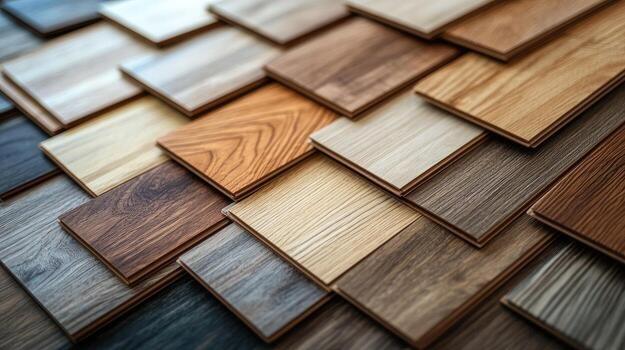
A refined interior is rarely the result of one design feature. It comes from the way colours, textures, proportions and materials work together to create a space that feels purposeful. While furniture and lighting often receive considerable attention, surface materials are equally important because they cover much of the visual area within a room.
Choosing the right surfaces can help establish the mood of an interior while also supporting its practical requirements. From residential cabinetry and furniture to commercial fit-outs and architectural features, thoughtful material selection can make a noticeable difference to the finished space.
Start With the Character of the Space
Before choosing a surface, consider the atmosphere the interior is intended to create. A warm and welcoming environment may benefit from natural textures, while a minimalist project might require simpler and more uniform finishes.
Timber is particularly effective for introducing warmth because its natural grain creates visual variation without requiring complicated patterns. It can be used as a feature or incorporated more extensively throughout cabinetry, furniture and wall applications.
For projects that place emphasis on genuine timber appearance, natural timber veneer surfaces can provide distinctive grain and character while allowing designers to develop a cohesive material palette.
Consider the Relationship Between Materials
An interior rarely relies on a single surface. Different materials are usually combined to create contrast and visual balance.
A timber surface can be paired with neutral cabinetry, stone-inspired finishes or darker elements to create a more layered appearance. The objective is not necessarily to make every finish identical but to ensure that each material contributes to the overall design.
Texture can also be used strategically. A natural grain may become a focal point when surrounded by simpler surfaces, while subtle finishes can help prevent larger areas from feeling visually flat.
Match Materials to Their Environment
A surface should always be selected with its intended application in mind. Residential interiors may have different requirements from retail stores, offices, hospitality spaces or other commercial environments.
Areas that experience regular contact, cleaning or general wear need materials capable of meeting those conditions. For projects seeking a consistent timber aesthetic alongside practical functionality, timber-inspired laminate finishes can be considered for suitable cabinetry, furniture and interior applications.
Thinking about performance at the beginning of a project helps prevent situations where a visually appealing material is used in an unsuitable location.
Give High-Traffic Areas Extra Attention
Busy interiors require particularly careful material planning. Reception desks, commercial bathrooms, work surfaces and shared facilities can experience significantly more daily use than decorative areas.
In applications where a robust surface is required, compact laminate solutions can be considered as part of the material specification. Selecting surfaces according to the level of use can contribute to better long-term performance and reduce avoidable maintenance concerns.
The same principle applies to moisture exposure, cleaning frequency and other environmental conditions. Every material should have a clear reason for being specified in a particular area.
Think About Maintenance From the Beginning
Maintenance should be part of the design conversation rather than something considered after installation. Even an attractive interior can become difficult to manage if its surfaces are poorly suited to everyday conditions.
Consider how frequently surfaces will need cleaning and what type of use they are likely to receive. Practical maintenance requirements can help determine which finishes are appropriate for different parts of a project.
This approach also supports long-term consistency. When materials are selected according to their environment, the finished interior is more likely to remain functional and visually appealing over time.
Create a Timeless Material Palette
Following every design trend can make an interior feel dated quickly. A more lasting approach is to select materials that complement the architecture and can work with changing furniture, lighting and decorative elements.
Natural timber tones, restrained colours and complementary textures can provide a foundation that remains adaptable. Designers can then introduce current trends through accessories and furnishings that are easier to change.
This is particularly useful for commercial interiors, where major surface replacements can be disruptive and expensive.
Plan Before Making the Final Selection
Samples should ideally be reviewed alongside the other materials being considered for the project. Lighting conditions can change how colours and textures appear, so viewing finishes only in isolation may not provide an accurate impression of the final result.
It is also useful to consider scale. A finish that works well on a small cabinet door may produce a completely different visual effect when used across a large wall or extensive run of cabinetry.
Early planning gives designers greater opportunity to adjust the balance between different materials before installation begins.
Build Better Interiors Through Better Choices
Material selection is one of the foundations of effective interior design. When appearance, durability, maintenance and application are considered together, surfaces can contribute to a space that is both visually refined and practical.
The most successful projects do not necessarily use the most materials or the most expensive finishes. Instead, they use appropriate materials in the right locations and create relationships between surfaces that feel deliberate.
By taking a thoughtful approach to timber, laminate and other architectural surfaces, designers can develop interiors with greater character, consistency and long-term value.

 English
 Arabic
 French
 Spanish
 Portuguese
 Deutsch
 Turkish
 Dutch
Dutch
 Russian
 Romaian
 Portuguese (Brazil)
 Greek
Greek
