


Biomedical Devices: Advancing Modern Healthcare
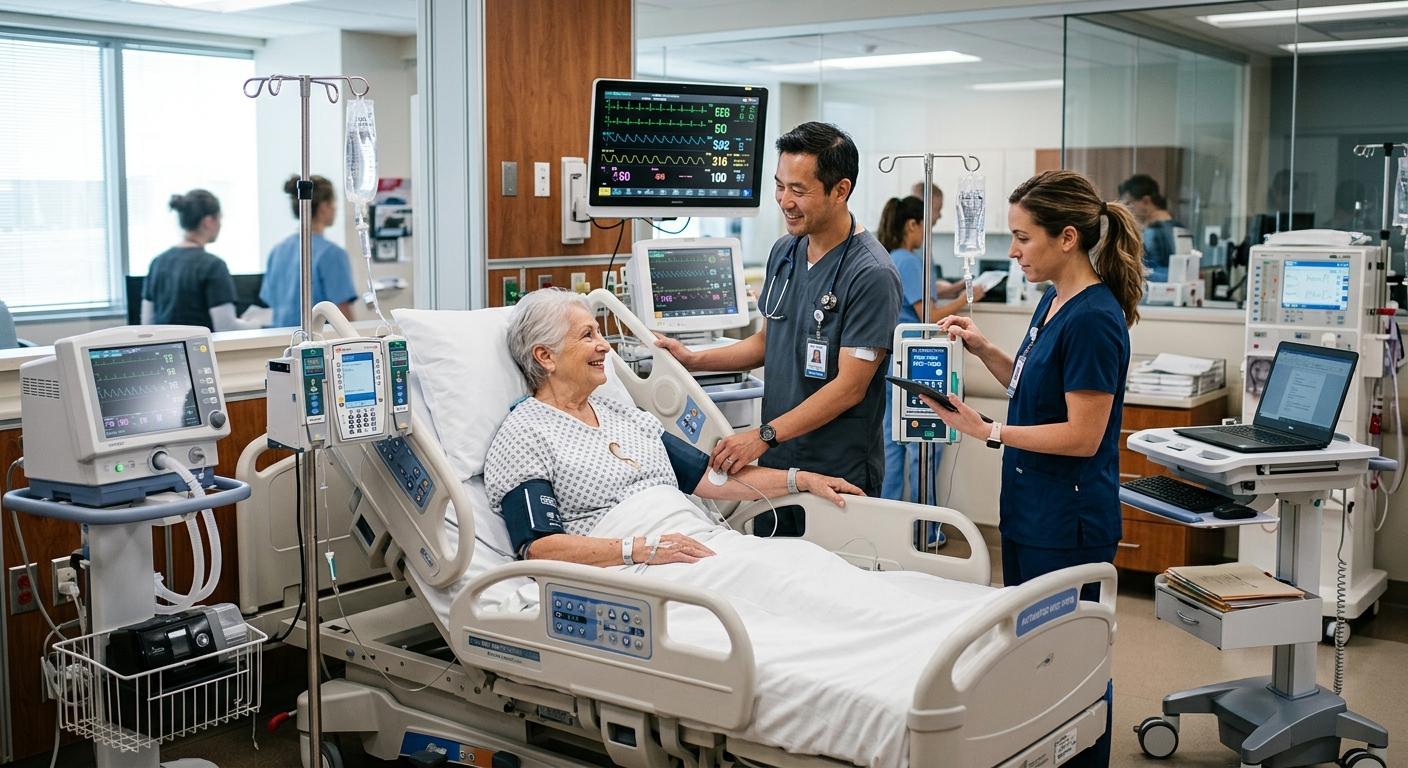
Healthcare has changed greatly with the growth of modern medical tools. Today, doctors, nurses, and other healthcare workers depend on reliable devices to monitor patients, find health problems, and provide timely treatment. Biomedical devices play an important role in hospitals, clinics, laboratories, and care centers because they help medical teams make better decisions and improve patient care.
The use of biomedical equipment has also grown as healthcare providers look for faster, safer, and more accurate ways to treat patients. From simple monitoring tools to advanced diagnostic systems, these devices support many areas of healthcare. At the same time, biomedical technology continues to develop, bringing new solutions that can improve how healthcare is delivered.
What Are Biomedical Devices?
Biomedical devices are medical tools and systems designed to support the diagnosis, monitoring, treatment, or care of patients. They can range from small handheld instruments to large electronic machines used in hospitals. Each device has a specific purpose and is designed to help healthcare professionals perform their work more effectively.
Some devices are used to check vital signs, while others help doctors examine organs, manage medicines, or support patients during critical conditions. Their use depends on the medical need and the type of care being provided. Proper design, testing, maintenance, and use are important to make sure these devices work safely.
Importance of Biomedical Equipment in Healthcare
Modern healthcare depends on equipment that can provide accurate information and support quick action. Biomedical equipment helps medical teams monitor patients and understand changes in their condition. This can be especially important in emergency rooms, intensive care units, operating rooms, and other areas where patients need close attention.
Reliable equipment can also reduce delays in patient care. When healthcare professionals have access to the right tools, they can perform tests and monitor important body functions more efficiently. This supports better treatment planning and can improve the overall patient experience.
Common Types of Biomedical Devices
There are many types of biomedical devices used across different healthcare settings. Patient monitoring devices are among the most common. They can measure factors such as heart rate, blood pressure, oxygen levels, and body temperature. This information helps healthcare workers keep track of a patient's condition.
Diagnostic devices are another important group. These tools help healthcare professionals identify possible health problems and understand a patient's condition. Other devices are designed for treatment, such as infusion pumps, defibrillators, respiratory support systems, and electrosurgical equipment. Laboratory devices are also widely used to test blood, tissue, and other samples.
Surgical instruments and related medical equipment also support healthcare professionals during procedures. Their quality and design can affect how safely and efficiently a medical procedure is performed.
Role of Biomedical Technology
Biomedical technology combines medical knowledge with modern engineering and digital tools. It has helped create devices that are more accurate, connected, and easier to use. Digital systems can collect patient information, display results, and help healthcare workers track changes over time.
Modern biomedical technology can also support remote patient monitoring. Patients may be monitored outside traditional hospital settings with connected devices that send health information to medical teams. This can be useful for people who need regular monitoring but do not need to stay in a hospital.
As technology continues to improve, medical devices are becoming more connected to healthcare information systems. This allows data to move between devices and healthcare teams, helping create a more organized approach to patient care.
Biomedical Devices and Patient Monitoring
Patient monitoring is one of the most important uses of modern medical devices. Continuous monitoring can help healthcare workers notice changes that may not be obvious during a normal examination. In critical care, even small changes in vital signs can be important.
Monitoring systems can display several measurements at the same time, allowing medical staff to follow a patient's condition. These systems are commonly used during surgery and in intensive care. They are also useful for patients who need ongoing observation because of their medical condition.
The development of connected monitoring systems has made it possible to collect and review patient data more easily. This can support faster communication between healthcare professionals and help them respond when a patient's condition changes.
Improving Diagnosis and Treatment
Accurate diagnosis is a key part of good healthcare. Biomedical device provide healthcare professionals with information that can support the diagnosis process. Testing and imaging systems can help doctors understand what is happening inside the body and identify possible problems.
Treatment can also become more controlled with the use of modern equipment. For example, infusion systems can help deliver medicines and fluids at controlled rates. Defibrillators can provide emergency treatment when certain serious heart problems occur. Respiratory devices can support patients who have difficulty breathing.
These tools do not replace doctors or nurses. Instead, they provide important support that allows healthcare professionals to make informed decisions and provide appropriate care.
Safety and Quality Matter
The quality of biomedical devices is extremely important because these products are used directly or indirectly in patient care. Poorly maintained or incorrectly used equipment can create risks. Healthcare facilities therefore need proper procedures for installation, testing, cleaning, maintenance, and repair.
Healthcare workers should also receive suitable training before using medical devices. Understanding how a device works and knowing its limits can help prevent errors. Regular inspections can identify problems before they affect patient care.
Manufacturers also have an important role in developing devices that are safe, reliable, and easy to operate. Clear instructions and proper technical support can help healthcare facilities maintain equipment over its working life.
The Future of Biomedical Devices
The future of biomedical technology is expected to focus on better data use, connected devices, automation, and more personalized care. Artificial intelligence and advanced software are already being used in several areas of healthcare. These tools can help process large amounts of medical information and support healthcare professionals in their work.
Wearable devices may also become more common. These devices can track health information such as activity, heart rate, and other body measurements. When used properly, they can support regular health monitoring and help people become more aware of their health.
Another important trend is the development of smaller and more portable devices. Portable equipment can be useful in clinics, remote areas, emergency care, and home healthcare. This may help bring important medical services to more people.
Choosing the Right Biomedical Equipment
Healthcare organizations should consider several factors when selecting equipment. The device should match the needs of the healthcare facility and the patients it serves. Quality, reliability, ease of use, maintenance needs, technical support, and long-term costs are all important factors.
Healthcare providers should also consider whether the equipment can work with existing systems. Connected devices can offer useful benefits, but they need suitable software and secure data systems. Choosing equipment carefully can help healthcare organizations get better value while supporting safe patient care.
Conclusion
Biomedical device have become an important part of modern healthcare. They support patient monitoring, diagnosis, treatment, surgery, laboratory testing, and many other medical activities. Reliable biomedical equipment helps healthcare professionals work with greater confidence and provide better support to patients.
As biomedical technology continues to develop, healthcare is likely to become more connected, efficient, and focused on individual patient needs. New devices and digital systems will continue to support medical professionals while improving access to quality care. The key will be to combine innovation with safety, quality, proper training, and responsible use.
More info: Amg Medical

 English
 Arabic
 French
 Spanish
 Portuguese
 Deutsch
 Turkish
 Italiano
 Russian
 Romaian
 Portuguese (Brazil)
 Greek
Greek
