Hip pain can gradually affect almost every part of daily life, from walking and climbing stairs to sitting comfortably or getting a good night's sleep. When hip damage becomes severe and pain no longer improves with medicines, physiotherapy, lifestyle changes, or other non-surgical treatments, hip replacement surgery may become an option.
For patients considering Hip Replacement Surgery in Indore, understanding the procedure, reasons for surgery, available treatment options, and recovery process can make the decision easier. Hip replacement is a commonly performed orthopedic procedure designed to replace damaged portions of the hip joint with artificial components and improve mobility and quality of life.
Modern orthopedic techniques have made hip replacement surgery more precise and effective. However, the right treatment depends on factors such as the patient's age, activity level, bone condition, severity of joint damage, overall health, and the cause of hip pain.
What Is Hip Replacement Surgery?
Hip replacement surgery, also known as hip arthroplasty, is a procedure in which damaged parts of the hip joint are replaced with artificial components.
The hip is a ball-and-socket joint. The rounded head of the thigh bone fits into a socket in the pelvis, allowing movements such as walking, bending, and rotating the leg. When the cartilage and bone within the joint become severely damaged, movement can become painful and restricted.
During hip replacement surgery, the damaged femoral head is replaced with an artificial ball, while the damaged socket may be resurfaced or replaced with an artificial socket component. The surgeon selects appropriate implants based on the patient's individual requirements.
The main objective of Hip Replacement Surgery in Indore is to reduce pain, improve joint function, and help patients return to everyday activities.
When Is Hip Replacement Surgery Recommended?
Hip replacement is generally considered when hip joint damage causes persistent symptoms and significantly affects daily activities.
A surgeon may consider hip replacement when a patient has:
- Severe and persistent hip pain
- Difficulty walking or standing
- Pain that interferes with sleep
- Significant stiffness or restricted hip movement
- Difficulty performing routine activities
- Advanced arthritis or joint degeneration
- A severely damaged hip following an injury
- Certain complications affecting the hip joint
- Persistent symptoms despite appropriate non-surgical treatment
Not every person with hip pain requires surgery. An orthopedic specialist usually evaluates the symptoms, examines the joint, and reviews imaging before recommending the most appropriate treatment.
Common Conditions That May Lead to Hip Replacement
Several conditions can damage the hip joint over time.
Osteoarthritis
Osteoarthritis can gradually wear down the protective cartilage covering the joint surfaces. As the condition progresses, patients may experience pain, stiffness, and difficulty moving.
Rheumatoid Arthritis
Rheumatoid arthritis is an inflammatory condition that can damage joints, including the hip, in some patients.
Avascular Necrosis
Avascular necrosis occurs when reduced blood supply damages bone tissue. If the condition progresses and significantly damages the hip joint, replacement may sometimes be considered.
Hip Fractures
Certain serious hip fractures, particularly in older adults, may require surgical treatment involving partial or total hip replacement depending on the fracture and joint condition.
Previous Hip Problems or Injuries
Previous trauma or certain hip disorders can lead to progressive joint damage and may eventually require replacement surgery.
Benefits of Hip Replacement Surgery
One of the main reasons patients consider Hip Replacement Surgery in Indore is the possibility of significant improvement in pain and mobility.
Potential benefits may include:
Reduced Hip Pain
Replacing severely damaged joint surfaces can reduce the pain associated with advanced joint disease.
Improved Mobility
After appropriate recovery and rehabilitation, many patients experience improved walking ability and greater ease with everyday movements.
Better Quality of Life
Chronic hip pain can affect sleep, work, exercise, and social activities. Successful treatment can help patients become more active and independent.
Improved Ability to Perform Daily Activities
Activities such as walking, getting in and out of a chair, and climbing stairs may become easier after recovery.
How Is Hip Replacement Surgery Performed?
Before surgery, the orthopedic surgeon evaluates the hip and discusses the patient's medical history, symptoms, activity level, and imaging results.
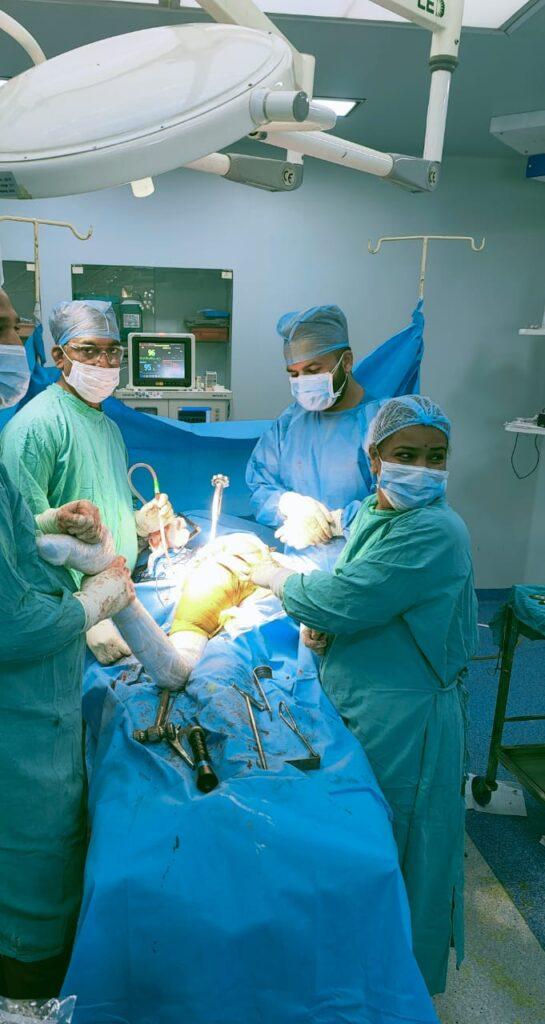
During the procedure, the damaged portions of the hip joint are removed and replaced with prosthetic components. The specific surgical approach and implant selection depend on the patient's anatomy and clinical requirements.
The surgery is performed in a hospital under appropriate anesthesia. After surgery, the medical team monitors the patient and begins the recovery process, which commonly includes pain management, mobility exercises, and physiotherapy.
What to Expect After Surgery?
Recovery from hip replacement surgery is a gradual process. Patients are usually encouraged to begin appropriate movement soon after surgery under medical supervision.
The recovery plan may include:
- Pain management
- Physiotherapy
- Walking with support initially
- Gradual strengthening exercises
- Follow-up appointments
- Guidance regarding daily activities
- Gradual return to normal movement
The exact recovery timeline varies from person to person. Following the surgeon's instructions and rehabilitation program is an important part of achieving a good outcome.
Why Choosing the Right Orthopedic Surgeon Matters
Choosing an experienced orthopedic specialist is an important part of the treatment journey. A proper evaluation helps determine whether hip replacement is actually necessary and which treatment approach is most suitable.
Patients researching Hip Replacement Surgery in Indore should consider factors such as the surgeon's experience, hospital facilities, implant options, surgical approach, rehabilitation support, and follow-up care.
A personalized treatment plan is especially important because every patient's hip condition and recovery requirements are different.
Conclusion
Hip pain does not always have to become a permanent limitation. When severe hip joint damage affects mobility and conservative treatments are no longer providing adequate relief, hip replacement can be an effective treatment option for suitable patients.
If you are considering Hip Replacement Surgery in Indore, consult an experienced orthopedic specialist for a detailed evaluation and personalized treatment plan. Early assessment can help you understand your condition, explore available treatment options, and make an informed decision about your hip health.




 English
 Arabic
 French
 Spanish
 Portuguese
 Deutsch
 Dutch
Dutch
 Italiano
 Russian
 Romaian
 Portuguese (Brazil)
 Greek
Greek
