


How Does Storage Facility Design Improve Operational Efficiency?
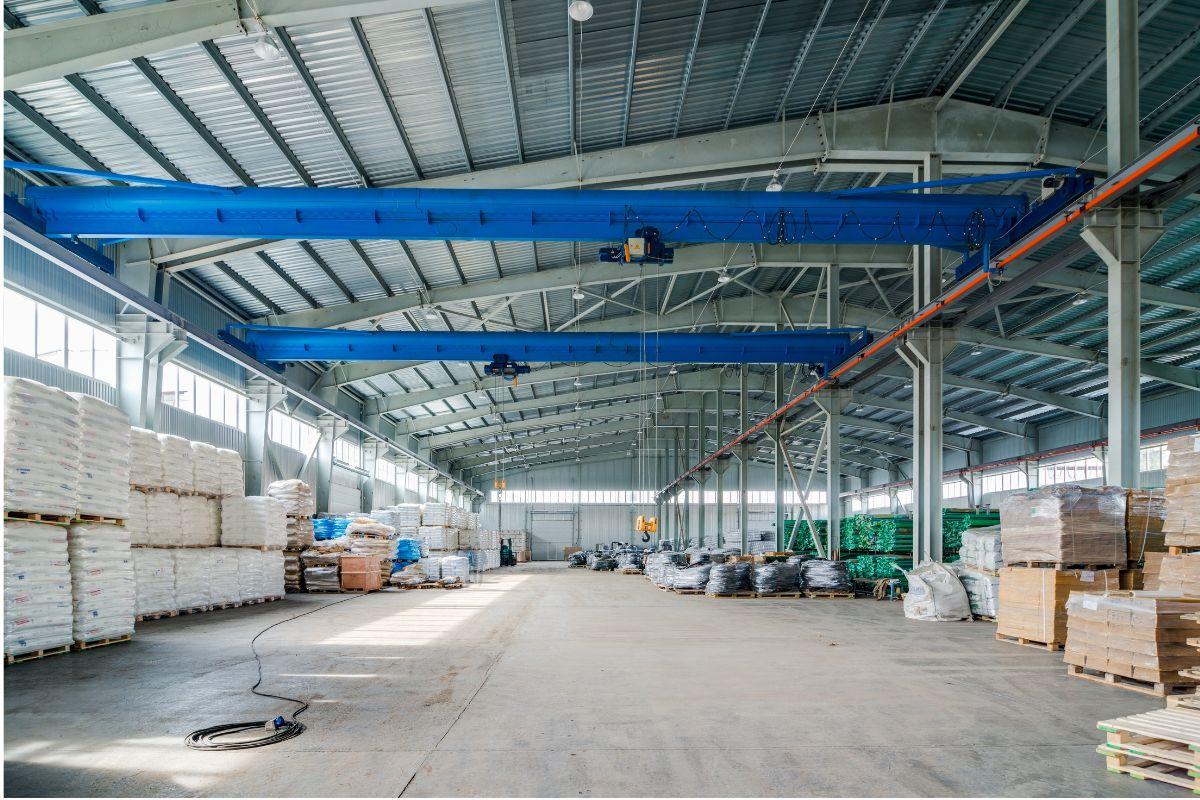
Operational efficiency is an important factor for businesses that manage inventory, equipment, raw materials, or finished products. A well-organized facility can save time, reduce unnecessary movement, improve safety, and make daily operations much smoother. This is where storage facility design plays a major role.
A storage facility design is more than simply a space where products are kept. Its layout, storage systems, access points, material flow, lighting, safety provisions, and use of available space can directly influence productivity. With thoughtful planning, businesses can create facilities that support faster operations while making better use of their investment.
What Is Storage Facility Design?
Storage facility design is the process of planning and organizing a storage environment according to the operational requirements of a business. It involves determining how products, materials, equipment, people, and vehicles will move through the facility.
A good design considers factors such as available floor space, storage capacity, product characteristics, handling requirements, accessibility, safety, and future expansion. Instead of treating every facility in the same way, the design should be developed around the specific workflow and goals of the organization.
How Does a Good Layout Improve Workflow?
One of the biggest advantages of effective storage facility design is improved workflow. Poorly planned layouts can create unnecessary travel distances, congestion, and delays when workers need to locate or move materials.
A carefully planned facility places frequently accessed items in convenient locations and creates logical movement paths between receiving, storage, picking, packing, and dispatch areas. This reduces unnecessary movement and allows employees to complete tasks more efficiently.
For example, if incoming materials have to travel through several areas before reaching their storage locations, the process may consume additional time and labor. A better layout can establish a more direct flow, helping reduce bottlenecks and improve overall productivity.
Can Storage Design Maximize Available Space?
Space is one of the most valuable resources in a storage facility. Simply increasing the size of a building is not always the most practical solution. Effective storage facility design focuses on making the best possible use of the space that is already available.
Vertical storage, appropriate shelving systems, optimized aisle widths, and organized storage zones can help businesses increase capacity without unnecessarily expanding their footprint.
However, maximizing space does not mean filling every available area. Workers and material-handling equipment still need sufficient room to operate safely. A successful design balances storage density with accessibility, movement, and safety.
How Does Design Support Faster Inventory Management?
Inventory accuracy and accessibility are essential for efficient operations. When products are poorly organized, employees may spend significant amounts of time searching for items, checking stock, or correcting misplaced inventory.
A well-planned storage layout can create dedicated zones for different product categories, sizes, turnover rates, or handling requirements. Clear labeling and logical positioning can make it easier for employees to identify and retrieve materials.
Businesses can also consider inventory management technologies when developing their facility plans. Integrating technology with the physical layout can improve tracking, reduce errors, and provide better visibility into inventory movement.
Why Is Safety Important in Storage Facility Design?
Operational efficiency should never come at the expense of workplace safety. A strong storage facility design considers the safety of employees, equipment, products, and visitors from the beginning.
Proper aisle planning, suitable storage heights, designated movement areas, adequate lighting, emergency access, and appropriate separation between pedestrians and vehicles can help create a safer working environment.
A safer facility can also contribute to efficiency. When employees have clearly defined routes and organized work areas, there is less confusion and a lower likelihood of disruptions caused by avoidable incidents.
How Can Good Design Reduce Operating Costs?
An efficient facility can help control operational expenses in several ways. Reduced travel distances can lower labor requirements, while better use of space can reduce the need for additional storage areas.
An organized layout may also help minimize product damage, handling errors, and unnecessary equipment movement. Over time, these improvements can contribute to lower operating costs.
The goal is not simply to create a visually organized warehouse. The objective is to develop a practical environment where every major activity—from receiving materials to dispatching finished goods—can be performed efficiently.
Why Should Businesses Plan for Future Growth?
A storage facility should not only meet today's requirements. Businesses often experience changes in product volumes, inventory types, technology, and customer demand. A rigid facility design may become inefficient as operations grow.
Good storage facility design therefore considers future requirements wherever possible. Flexible storage systems, adaptable layouts, and provisions for additional equipment can make it easier to modify the facility later.
Planning for growth can reduce the need for major redesigns and help businesses respond more effectively to changing operational demands.
How Can Vaaeng Help With Better Facility Planning?
Professional engineering expertise can make a significant difference when developing an efficient storage environment. Vaaeng focuses on engineering solutions designed around practical business requirements and operational objectives.
By considering workflow, space utilization, structural requirements, safety, and future needs, businesses can develop storage environments that are better aligned with their day-to-day activities. A carefully planned approach can help transform unused or inefficient space into a more productive operational asset.
Conclusion
A well-designed storage facility can have a direct impact on productivity, safety, inventory management, space utilization, and operating costs. Effective storage facility design creates a logical relationship between people, products, equipment, and processes, helping businesses operate with fewer delays and unnecessary movements. Whether a company is developing a new facility or improving an existing one, thoughtful planning is essential. By combining efficient layouts, smart storage solutions, safety considerations, and future-ready planning, businesses can build facilities that support long-term operational performance. With the right engineering approach and professional guidance from Vaaeng, businesses can create storage environments that are practical, efficient, and prepared for future growth.

 English
 French
 Spanish
 Portuguese
 Deutsch
 Turkish
 Dutch
Dutch
 Italiano
 Russian
 Romaian
 Portuguese (Brazil)
 Greek
Greek
