


How Metallic Film Supports Contemporary Interior Design
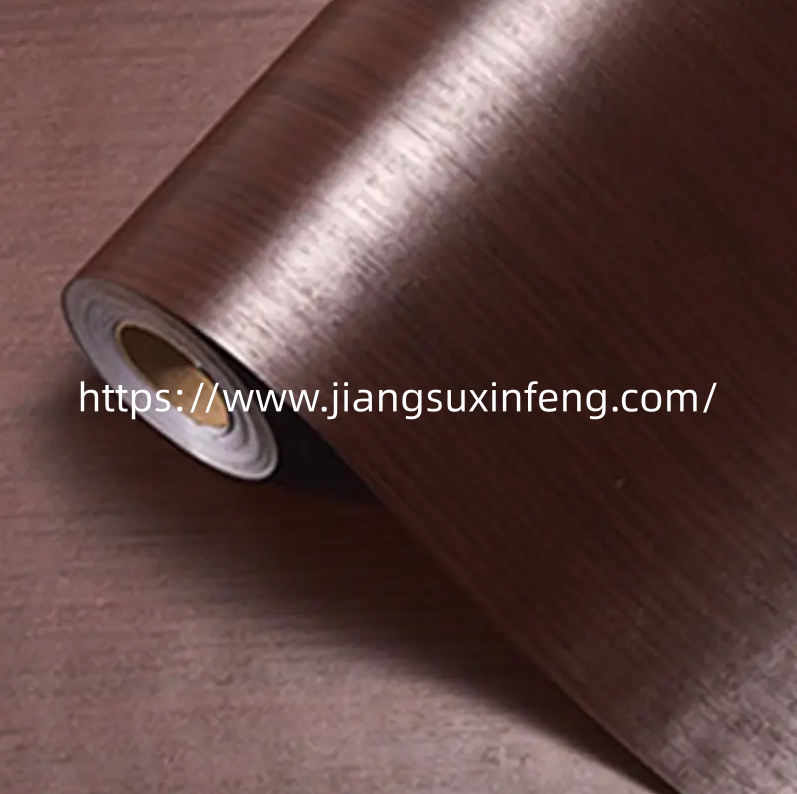
Contemporary interiors often use reflective and refined surfaces to create stronger visual identity, and selecting Metallic PVC Film requires more than choosing a shiny finish or attractive color. Material composition, purchasing considerations, functional technology, application experience, maintenance, and visual coordination all influence how successfully a decorative film becomes part of furniture, architectural surfaces, commercial fixtures, or other finished products.
Material selection provides the foundation for metallic decorative-film development. Interior surfaces may encounter routine contact, dust, moisture, cleaning activity, sunlight, and friction, depending on the application. Manufacturers can therefore consider flexibility, adhesion, surface stability, print compatibility, cleanability, and resistance to everyday wear when developing suitable materials. The relationship between the film and its intended substrate should also be evaluated before finalizing the product concept.
Metallic appearance adds another layer of material-development complexity. Reflective effects can behave differently from matte or wood-inspired surfaces when exposed to changing light and surrounding colors. Manufacturers may explore metallic pigments, surface treatments, coatings, and texture development to create a consistent visual character. Careful coordination among these elements can help maintain the intended appearance during manufacturing, storage, installation, and normal use.
The layered construction of a decorative film also deserves attention. A practical product may combine a base film with decorative treatment, bonding layers, surface protection, or other functional elements. Each layer needs to remain compatible with the others. Engineers and material specialists can review how the layers interact during processing and application so that flexibility, adhesion, appearance, and surface behavior remain balanced.
Purchasing decisions should begin with the intended application. Metallic decorative surfaces can be used for furniture panels, cabinets, doors, displays, retail fixtures, wall elements, partitions, and other interior products. Buyers can consider the substrate condition, installation process, surrounding décor, cleaning habits, lighting environment, expected handling, and the role of the decorated surface within the complete product.
Lighting deserves particular attention when selecting metallic finishes. A reflective surface can appear different under warm, cool, direct, or diffuse lighting. Designers can review how the film interacts with nearby furniture, flooring, hardware, walls, and architectural elements. Looking at the complete environment can help buyers select a surface treatment that supports the intended atmosphere rather than making decisions based only on a standalone sample.
Commercial procurement also depends on supplier capabilities. Buyers can review manufacturing experience, material knowledge, coating and printing expertise, adhesive development, quality management, customization flexibility, communication, and production organization. Jiangsu Xinfeng Star Film Materials Co., Ltd. applies practical film-manufacturing experience to different surface-decoration and product-development requirements.
Functional technology influences how the film performs during application. Engineers can consider adhesion, flexibility, cutting behavior, surface conformity, edge treatment, bonding compatibility, and interaction with different substrates. These factors can affect how easily installers position and finish the material around corners, edges, transitions, or detailed surface structures.
Application technique can influence the final appearance as much as the film itself. Installers may need to align decorative effects, manage edges, trim around openings, and maintain continuity across adjacent surfaces. A material with predictable handling characteristics can make these activities easier to organize. Consistent application behavior can also reduce visible variation across a finished project.
Digital technology supports film development by making appearance easier to evaluate before production. Artwork systems and digital visualization tools can help designers review metallic effects, color relationships, pattern arrangements, texture concepts, and surface combinations. This can improve communication between customers, designers, and manufacturing teams while reducing unnecessary changes during later stages.
Production technology then turns the selected concept into finished film. Coating, printing, laminating, embossing, adhesive processing, slitting, surface treatment, inspection, and packaging each contribute to the final result. Close coordination between these operations can help maintain consistency in decorative appearance and handling properties.
User experience is closely connected with the surface people see and touch every day. Furniture manufacturers, installers, retail businesses, interior designers, and end users may interact with the material in different ways. Practical handling, stable adhesion, smooth finishing, consistent visual character, and manageable cleaning can contribute to a more satisfactory experience.
Maintenance should be considered during product development. Interior surfaces can collect fingerprints, dust, moisture, food residue, and common cleaning products. Metallic surfaces may make certain marks or variations more visually noticeable, so manufacturers can consider surface texture and protective treatments with routine care in mind.
Durability also affects long-term satisfaction. Furniture and architectural surfaces may experience repeated touching, movement, cleaning, or occasional friction. A thoughtful development process can consider how the decorative layer responds to normal use while retaining its intended visual character. This is especially relevant for commercial interiors where consistent appearance can influence the overall perception of a space.
Design and appearance remain central to metallic surface films. Reflective effects, brushed impressions, subtle textures, color tones, and surface depth can create very different interior moods. Metallic finishes may complement modern furniture, create contrast against natural materials, or add visual detail to commercial environments without requiring a complete replacement of the underlying substrate.
Visual coordination becomes even more important when a project includes multiple decorated surfaces. Consistent color relationships, grain direction where applicable, edge transitions, and surface effects can help furniture panels, cabinets, doors, and fixtures appear as part of one coordinated design language. Careful production control can support this consistency across related products.
Customization provides flexibility for furniture brands, interior designers, retailers, distributors, architects, and private-label businesses. Different projects may require alternative colors, metallic effects, textures, decorative patterns, branding elements, packaging approaches, or coordinated surface collections. Flexible film development allows manufacturers to adapt these features while keeping material preparation and production organized.
Sustainability can also influence decorative-film development. Manufacturers may consider efficient material utilization, reduced production waste, optimized coating and printing processes, responsible packaging, durable surface development, and longer product usability. These considerations can support more thoughtful resource management while remaining closely connected with practical design and manufacturing needs.
Quality management connects raw-material preparation, coating, printing, laminating, adhesive processing, embossing, slitting, inspection, packaging, and customer feedback. Information from installers, furniture manufacturers, designers, distributors, retailers, and end users can reveal opportunities to improve handling, adhesion, surface consistency, cleaning, appearance, and application convenience.
Jiangsu Xinfeng Star Film Materials Co., Ltd. continues developing decorative PVC film solutions through practical manufacturing experience, flexible product development, material expertise, and quality-oriented processes. Its approach connects metallic surface development, substrate compatibility, coating and printing technology, installation, maintenance, user experience, customization, and visual coordination throughout product development. More information about its products and manufacturing capabilities is available at https://www.jiangsuxinfeng.com/.

 English
 Arabic
 Spanish
 Portuguese
 Deutsch
 Turkish
 Dutch
Dutch
 Italiano
 Russian
 Romaian
 Portuguese (Brazil)
 Greek
Greek
