


Clearing Milky Pool Water Fast: A Step-by-Step Treatment Plan
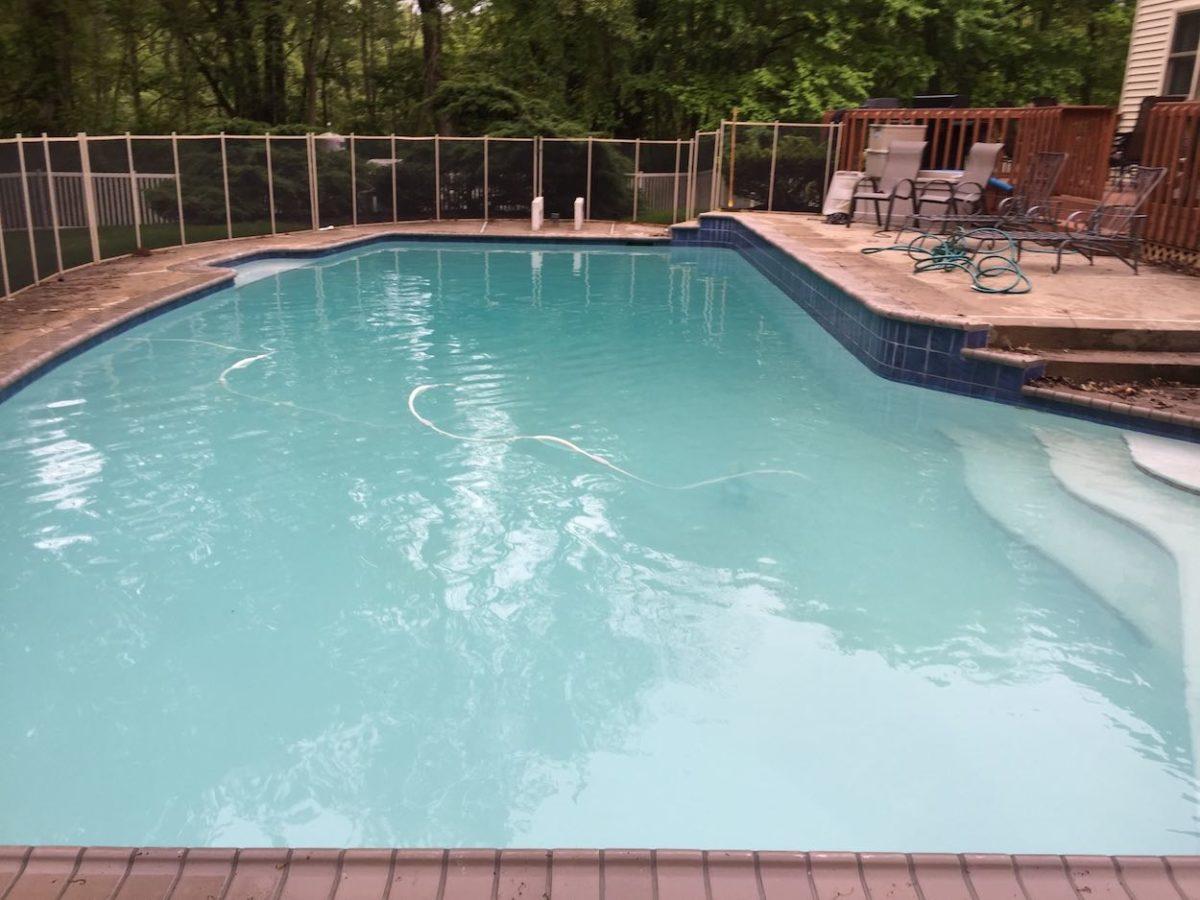
Unbalanced chemistry, inadequate filtration, suspended debris, algae, and mineral buildup are among the most common causes. Although cloudy water is often associated with poor maintenance, several different problems can produce the same appearance. Milky pool water can appear suddenly and make a clean swimming pool look dull, hazy, or completely uninviting. The fastest way to restore clarity is to identify the underlying problem instead of randomly adding multiple chemicals. A systematic treatment plan can help homeowners improve water quality while protecting the pool equipment and surfaces.
Step 1: Identify Why the Pool Water Turned Milky
Before beginning treatment, inspect the pool carefully and consider what happened before the water became cloudy. Check whether the pool recently experienced heavy rain, increased swimmer activity, landscaping work, or a long period without maintenance. Look for visible algae, excessive debris, scale deposits, or unusual water discoloration around the walls and floor. These observations can provide important clues about whether the issue is chemical, biological, or mechanical. Understanding the likely cause makes the treatment process more targeted and prevents unnecessary chemical use.
Water testing should be the next priority because appearance alone cannot tell you exactly what is wrong. Test the sanitizer level, pH, total alkalinity, and calcium hardness using a reliable test method suitable for your pool system. If the readings are significantly outside the recommended ranges, correct the chemistry according to the product manufacturer's instructions. Avoid adding several chemicals simultaneously without understanding their purpose and compatibility. Accurate testing provides a safer foundation for deciding what treatment the pool actually needs.
Step 2: Correct the Water Chemistry
Unbalanced water chemistry is one of the most frequent reasons for milky pool water. When sanitizer levels are too low, organic contaminants and microorganisms can accumulate faster than the system can remove them. Improper pH can also affect sanitizer performance and contribute to mineral precipitation or surface problems. Total alkalinity influences pH stability, so it should also be evaluated when making chemistry adjustments. Correcting the chemistry gradually gives you better control over the treatment and makes it easier to identify whether the water is responding.
Homeowners should always follow the dosage instructions provided for their specific pool chemical and calculate quantities based on the actual pool volume. If alkalinity or pH requires adjustment, avoid guessing based solely on how the water looks. A properly calibrated test can reveal whether the problem is actually chemical or whether filtration is the bigger concern. After making an adjustment, allow the circulation system to operate as recommended before retesting. This measured approach helps prevent overcorrection, which can create additional water-balance problems.
Step 3: Inspect and Run the Filtration System
A pool filter is responsible for removing many of the microscopic particles responsible for cloudy water. If the filter is dirty, clogged, damaged, or not receiving adequate water flow, those particles can remain suspended throughout the pool. Check the filter pressure and compare it with the normal operating range for your equipment. Also inspect skimmer baskets, pump operation, return jets, and other circulation points for obvious restrictions. Good circulation is essential because properly treated water still needs to pass through the filtration system before the pool can become clear.
Filter maintenance depends on the type of equipment installed on the pool. Cartridge filters, sand filters, and diatomaceous earth systems each have different cleaning and servicing requirements. Follow the manufacturer's instructions rather than using a generic cleaning method that could damage the filter. If the pressure remains abnormal after appropriate maintenance or the pump is struggling to circulate water, professional inspection may be necessary. Continuing to add chemicals when the filtration system is malfunctioning usually will not solve the underlying problem.
Step 4: Treat Organic Contamination and Possible Algae
If testing or inspection indicates that low sanitizer levels or early algae growth may be responsible for the cloudiness, the pool may require a sanitation treatment appropriate for its system. Organic contaminants can consume sanitizer and leave behind particles that make the water appear cloudy. Algae may also become suspended in the water after treatment, temporarily making the pool look even hazier. Brushing appropriate pool surfaces can help loosen material that has attached to walls and floors. Filtration should continue as recommended so suspended particles have an opportunity to be removed.
Do not combine pool chemicals unless the product labels specifically state that they are compatible and provide instructions for doing so. Chemical reactions can produce dangerous fumes or damage pool equipment and surfaces. Always read the manufacturer's directions, use appropriate protective equipment, and store chemicals safely. If you are uncertain about the correct treatment, especially when several water chemistry problems exist at the same time, consult a qualified pool professional. Safety should take priority over trying to clear the water as quickly as possible.
Step 5: Use Clarifiers Only When Appropriate
A pool clarifier may be useful in some situations when extremely fine particles are passing through the filtration system without being captured effectively. Clarifiers work by helping tiny suspended particles form larger particles that the filter can remove more efficiently. However, a clarifier is not a universal solution for every type of cloudy water. It will not correct an underlying circulation failure, significant chemistry imbalance, or active contamination problem. Using it before identifying the cause can sometimes make troubleshooting more complicated.
If a clarifier is appropriate for the pool, follow its label instructions carefully and use only the recommended amount. More product does not necessarily mean faster results and can sometimes worsen water clarity. Keep the circulation and filtration system operating according to the product directions so the collected particles can be removed. Give the treatment enough time to work before deciding whether another chemical is necessary. If the water continues to look milky despite proper treatment, reassess the original diagnosis instead of repeatedly adding products.
How Much Does an Inground Pool Cost to Maintain?
Questions about cloudy water often lead homeowners to think about the broader cost of owning a swimming pool. If you are researching how does an inground pool cost remember that the initial construction price is only one part of the long-term financial picture. Ongoing expenses can include water treatment chemicals, electricity for pumps, filter maintenance, cleaning, repairs, resurfacing, and seasonal service. The total cost varies considerably depending on pool size, construction materials, equipment, climate, usage, and the level of professional maintenance. Understanding these recurring responsibilities can help homeowners budget more realistically.
Regular maintenance can also protect the investment made in an inground pool. Maintaining appropriate water chemistry reduces unnecessary stress on equipment and pool surfaces, while consistent filtration helps prevent persistent water-quality problems. Addressing small issues early may also reduce the likelihood of larger repairs later. Homeowners considering a new pool should ask contractors about expected maintenance requirements, equipment efficiency, warranty coverage, and long-term operating considerations. Looking beyond the installation price provides a more accurate picture of what pool ownership may involve.
Final Checklist for Clearing Cloudy Pool Water
A practical treatment plan for milky pool water starts with testing rather than guessing. Inspect the water and pool surfaces, test the major chemistry parameters, check sanitizer levels, and make sure the filtration and circulation systems are operating correctly. Address the specific problem gradually and allow adequate circulation between adjustments. If organic contamination or algae is present, follow an appropriate sanitation procedure while observing all chemical safety instructions. Clarifiers can be considered when fine suspended particles remain after the primary cause has been addressed.
Once the water becomes clear, prevention is easier than repeated emergency treatment. Establish a regular maintenance schedule that includes water testing, surface cleaning, skimmer care, filter maintenance, and inspection of circulation equipment. Monitor changes after storms, parties, heavy debris exposure, or periods of unusually high temperatures. Keeping basic maintenance records can also help identify patterns before they become recurring problems. If cloudy water persists despite proper testing and maintenance, a qualified pool service professional can evaluate the system and determine whether chemistry, filtration, circulation, or another issue is responsible.

 English
 Arabic
 French
 Spanish
 Portuguese
 Deutsch
 Turkish
 Dutch
Dutch
 Italiano
 Romaian
 Portuguese (Brazil)
 Greek
Greek
