


How to Compare Home Automation Companies for a New Home
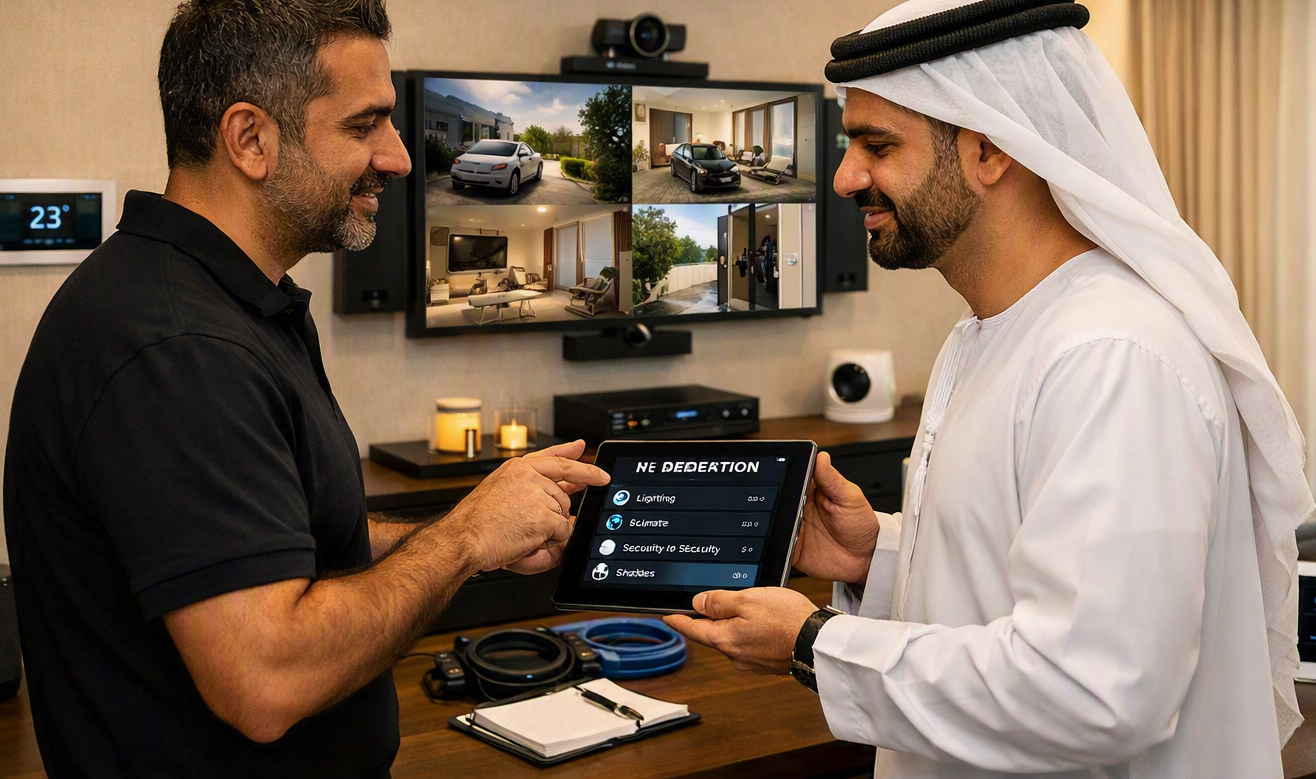
Choosing smart technology for a new home can feel confusing because there are many options to consider. Home Automation Companies may offer different systems, devices, prices, and installation methods. Before making a choice, it helps to understand what each company provides and how well the system will fit your home and daily needs.
Start With Your Home Automation Needs
Before comparing companies, make a list of the things you want to control. You may want smart lighting, temperature control, security cameras, door locks, curtains, entertainment systems, or other connected devices.
Think about how you use your home. For example, a family may want simple control of lights and security, while someone who enjoys home entertainment may need stronger media integration. Having a clear idea of your needs makes it easier to compare different systems.
Check Which Devices Are Supported
Not all automation systems work with the same devices. Some systems support many brands, while others are designed around a smaller group of products.
Check whether the system can connect with the devices you already own or plan to buy. It is also useful to ask whether new devices can be added later. A system that supports different types of products can give you more flexibility as your needs change.
Compare Control Options
A smart home can be controlled in several ways. Common options include mobile apps, wall panels, remote controls, voice commands, and automatic schedules.
Think about which control method feels easiest for everyone in the house. A good system should be simple enough for daily use without requiring complicated steps. It should also provide clear controls for important functions such as lights, doors, security, and temperature.
Look at Installation Requirements
Installation can vary from one system to another. Some solutions may work well with existing wiring, while others may need additional work during construction.
For a new home, it is helpful to discuss automation plans early in the building process. Wiring, network points, power connections, and equipment locations can often be planned more easily before the walls and ceilings are finished.
Ask the company what installation work is required and whether other contractors need to be involved. This can help prevent unexpected changes later.
Compare System Compatibility
A home automation system should work well with your home network and other smart devices. Poor compatibility can create problems when trying to connect products from different manufacturers.
Ask about supported communication standards and platforms. You should also check whether the system allows devices from different brands to work together. Good compatibility can make the system easier to expand in the future.
Review Ease of Use
Technology is only useful when people can use it without trouble. During the comparison process, ask to see how the system works.
Look at the mobile app, control panels, schedules, and automation settings. Check whether common tasks can be completed quickly. If possible, try the controls yourself instead of relying only on a sales explanation.
A simple interface can be especially important when several people in the home will use the system.
Check Security and Privacy Features
Connected devices can collect and transmit information, so security should be part of the comparison. Ask how user accounts are protected and how devices receive software updates.
For cameras, smart locks, and other security products, check how access is managed. Find out whether different users can have separate permissions. Strong passwords, secure networks, and regular updates are also important parts of a safe smart home setup.
Compare Maintenance and Support
A home automation system may need updates, troubleshooting, or replacement parts over time. Before choosing a company, ask what kind of support is available after installation.
Find out how technical issues are handled and whether the company provides system maintenance. You should also ask about the warranty period for equipment and installation work.
Clear support terms can make future problems easier to manage.
Consider Future Expansion
Your needs may change after moving into a new home. You may later decide to add smart blinds, more cameras, additional lighting, or energy monitoring.
When comparing systems, check whether they can be expanded without replacing the main setup. A flexible system can be more useful over several years than one that only supports a fixed number of devices.
Compare Costs Carefully
Price is an important part of the decision, but it should not be the only factor. Look at what is included in the quoted cost.
Check the equipment, installation, programming, network requirements, warranty, and support. Two systems may have similar prices but very different features and services.
A clear cost breakdown makes comparison easier and helps you understand where your money is going.
Ask for a Clear Project Plan
Before making a final decision, ask for a written plan showing the proposed devices, installation work, control methods, and system features.
This gives you something to review and compare with other options. It also helps make sure that the system matches what you discussed before installation begins.
Comparing Home Automation Companies is easier when you focus on practical needs, device compatibility, ease of use, security, support, future expansion, and the total cost rather than choosing based only on appearance or price.

 English
 Arabic
 French
 Spanish
 Portuguese
 Turkish
 Dutch
Dutch
 Italiano
 Russian
 Romaian
 Portuguese (Brazil)
 Greek
Greek
