


Insulation Nation: What Homeowners Should Know About Attic Insulation Services?
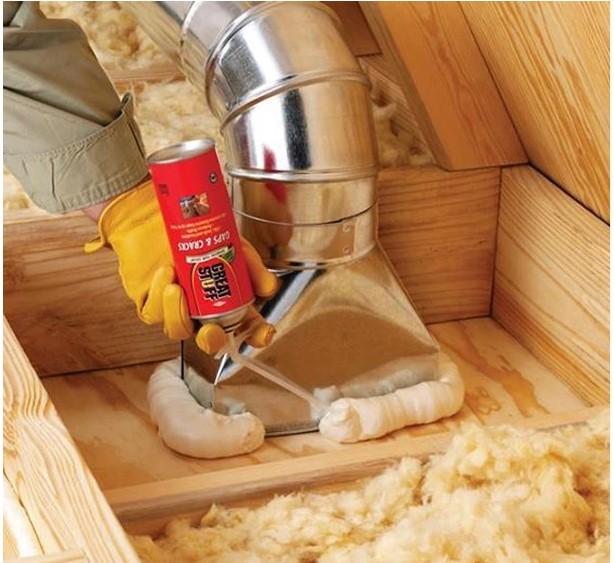
The attic is easy to forget because most homeowners rarely spend time there, but it can have a noticeable effect on how the rest of the house feels. An attic that is poorly insulated or affected by air leaks can contribute to uncomfortable rooms and unwanted temperature changes. Before making improvements, homeowners need to understand what is actually happening above their ceilings. Insulation Nation helps homeowners look at attic insulation as part of the home's overall comfort and performance rather than as an isolated upgrade.
When considering attic insulation services, it is important to start with the condition of the existing space. The contractor should look at the current insulation, possible air leaks, ventilation, moisture, and the way the attic is constructed. These details matter because adding insulation without addressing an underlying problem may not produce the results a homeowner expects. A proper evaluation provides a much better starting point for deciding what work is necessary.
Why the Attic Matters
The attic can experience much greater temperature changes than the rooms below it. During a hot summer afternoon, the space beneath the roof can become extremely warm. In winter, it may be considerably colder than the conditioned areas of the house.
The ceiling between the attic and living space acts as an important part of the home's thermal boundary. If that boundary has insufficient insulation or significant gaps, heat can move through it more easily.
This is one reason the attic is often a practical place to investigate when homeowners are dealing with uncomfortable rooms.
Start With an Inspection
A good insulation project should not begin with a contractor simply spreading new material across the attic floor.
The existing conditions need to be understood first.
An inspection may reveal areas where insulation is missing, compressed, uneven, displaced, or damaged. It can also identify openings around wiring, plumbing, ducts, recessed lights, and other penetrations.
These details can influence the recommended approach and help homeowners avoid paying for work that does not address the actual weakness.
What Attic Insulation Services May Include
The exact work required varies from one home to another. In some cases, the project may involve adding insulation to an existing layer. Other homes may need old material removed or specific areas repaired before new insulation is installed.
Depending on the attic, the project may also involve air sealing or improvements around attic access points.
The Department of Energy recommends addressing safety, moisture, ventilation, and air sealing before insulating an attic.
Insulation and Air Sealing Are Different
It is easy to assume that insulation and air sealing are basically the same thing. They are not.
Insulation helps slow heat transfer, while air sealing reduces unwanted movement of air through cracks and openings.
An attic can have plenty of insulation but still have noticeable air leakage around ceiling penetrations. The Department of Energy notes that sealing attic-floor penetrations can reduce unwanted airflow and help prevent moisture-related problems.
For this reason, homeowners should ask whether air leakage will be checked as part of the project.
Choosing an Insulation Material
There are several types of insulation that may be used in residential attics. Fiberglass, cellulose, batt products, and other materials can be appropriate depending on the property. When comparing attic insulation services, homeowners should consider factors such as the available space, existing insulation, attic design, installation method, and overall project goals. A good contractor should explain the available options in straightforward language and clarify why a particular material is suitable for the home.
Homeowners do not necessarily need to become experts in insulation materials. A good contractor should explain the available options in straightforward language and explain why a particular material is being recommended.
Pay Attention to Moisture
Moisture is something homeowners should take seriously before installing new insulation.
A roof leak, condensation problem, plumbing issue, or improperly vented exhaust fan can introduce moisture into an attic.
The Department of Energy specifically advises addressing roof leaks and other moisture-related concerns before attic insulation work proceeds.
Signs such as water stains, damp insulation, discoloration, or musty smells deserve attention. Covering these problems with new insulation is not a solution.
Don't Ignore Attic Ventilation
Ventilation is another part of the attic that deserves consideration.
Depending on the design of the home, an attic may have soffit vents, ridge vents, gable vents, or other ventilation features. Insulation should be installed without unnecessarily blocking intended airflow pathways.
A contractor should be able to explain how the proposed work will interact with the existing ventilation system.
If changes are recommended, homeowners should ask why those changes are necessary.
Look at the Attic Access
The attic hatch or pull-down stairs may seem insignificant, but these areas can also affect the thermal boundary.
An attic access opening should be properly sealed and insulated so that it does not become an easy pathway for conditioned air to escape.
The Department of Energy recommends air sealing and insulating attic access panels and pull-down stairs where appropriate.
This is a relatively small part of the project, but overlooking it can leave an unnecessary weak point.
Think About Comfort, Not Just Energy Bills
Energy efficiency is often a reason homeowners consider insulation, but comfort can be just as important.
A properly insulated attic can help slow heat movement and may contribute to more stable temperatures in rooms directly below the attic.
For example, an upstairs bedroom that becomes noticeably warmer during summer may benefit from improvements to the ceiling and attic boundary.
Of course, insulation is not the only factor affecting comfort. Windows, HVAC equipment, ductwork, sunlight, and air leakage can all play a role.
Understand R-Value
Homeowners will often hear the term R-value when researching insulation.
R-value describes an insulation material's resistance to heat flow. Generally, a higher R-value indicates greater resistance, although actual performance also depends on installation and the building assembly.
The Department of Energy notes that recommended insulation levels can vary according to climate and the part of the building being insulated.
Rather than choosing an insulation product solely because it has a high advertised R-value, homeowners should consider the complete installation.
Quality Installation Matters
Even good insulation can underperform when installation is careless.
Gaps, thin areas, excessive compression, and inconsistent coverage can create weak points in the thermal barrier.
Attic installers may also need to work around wiring, pipes, ducts, framing, lighting, and ventilation components.
Careful workmanship helps ensure that the insulation is installed appropriately throughout the accessible area.
Ask What the Estimate Includes
Before approving a project, homeowners should ask for a clear written estimate.
The proposal should explain which areas will receive insulation, what material will be used, whether existing insulation will be removed, and whether air sealing is included.
It is also worth asking about preparation and cleanup.
Two contractors may provide very different prices because they are proposing different scopes of work. Comparing the details is more useful than comparing the final number alone.
Know When Professional Help Makes Sense
Attic work can involve tight spaces, electrical components, ventilation systems, and other hazards. Homeowners should avoid treating the project as a simple weekend task if they are unfamiliar with the conditions.
A professional can assess the space, identify potential concerns, and develop a plan based on the home's construction.
The Department of Energy also recommends working with knowledgeable professionals for attic insulation and air-sealing projects.
Making a Smart Attic Improvement
A successful attic project starts with understanding what is already there. Insulation levels, air leakage, moisture, ventilation, access points, and installation conditions all deserve consideration.
For homeowners researching attic insulation services, asking the right questions can make it easier to understand the proposed work and compare available options. With careful evaluation and proper installation, Insulation Nation can help homeowners explore attic insulation services that support better indoor comfort, improved temperature control, and stronger overall home performance.

 English
 Arabic
 French
 Spanish
 Portuguese
 Deutsch
 Turkish
 Dutch
Dutch
 Italiano
 Russian
 Portuguese (Brazil)
 Greek
Greek
