


How to Choose the Right Plywood for Construction, Renovation and DIY Projects
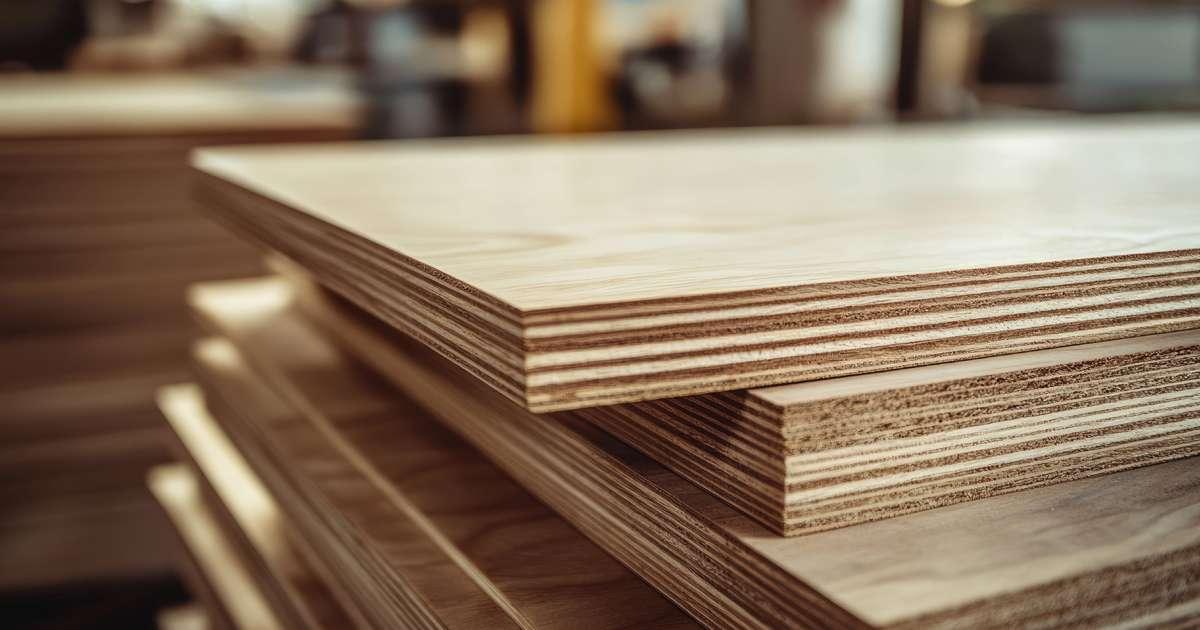
Choosing the right plywood sheets for construction and renovation can make a major difference to the strength, appearance and lifespan of a project. Plywood is used for everything from structural flooring and wall bracing to cabinetry, furniture, interior lining and outdoor applications. However, plywood is not a single material with identical properties. Different grades, thicknesses, treatments and construction methods are designed for different jobs.
The biggest mistake is choosing a sheet simply because it looks suitable or costs less. A non-structural sheet may be perfectly suitable for shelving or interior lining but inappropriate for a load-bearing floor. Similarly, a highly specialised marine sheet may be unnecessary for a basic indoor project.
Just Plywood provides a range of structural, marine, non-structural, flooring, formwork, decorative and other plywood products for builders, tradespeople and DIY customers across Melbourne. Understanding the differences helps you select a board that suits the actual requirements of your project.
Understanding the Different Types of Plywood
Plywood is manufactured by bonding multiple layers of timber veneer together, with the grain direction of adjoining layers generally arranged differently. This cross-layer construction gives plywood useful strength and dimensional stability compared with many solid timber applications.
However, the manufacturing process does not mean every sheet can be used for every purpose. The grade, adhesive bond, thickness and structural rating all need to match the application.
Structural Plywood for Load-Bearing Applications
Structural plywood is designed for applications where the panel needs to provide strength and support. It can be used in areas such as flooring, wall bracing, roofing and construction frameworks when the relevant specifications and installation requirements are met.
For example, Just Plywood stocks structural plywood options including F14 and F22 products. Structural sheets are engineered for load-bearing performance rather than simply for appearance.
If you're building a floor, wall bracing system or another component that carries loads, check the required structural rating before selecting a sheet. Using a general-purpose panel simply because it is cheaper can create performance and compliance problems later.
Non-Structural Plywood for Interior Projects
Non-structural plywood is more appropriate when the sheet does not need to provide certified structural performance. Common applications include cabinetry, shelving, interior wall lining, furniture, DIY projects and general fit-outs.
For example, non-structural CD-grade pine plywood supplied by Just Plywood is available in 9mm, 12mm and 17mm thicknesses and is intended for applications such as internal linings, joinery, shelving and general DIY work.
The important point is simple: non-structural does not mean low quality. It means the product is intended for a different purpose.
Marine and Exterior Plywood for Moisture Exposure
Moisture changes the requirements of a plywood project. If a sheet will regularly experience humidity, water or outdoor conditions, selecting a product designed for the environment becomes especially important.
Marine plywood is manufactured for demanding applications where moisture resistance and durability are important. Exterior plywood is also designed with weather-resistant characteristics for applications such as outdoor structures, cladding and other exposed projects.
This does not mean every outdoor project automatically requires marine plywood. The correct product depends on the level of exposure, construction details and applicable requirements.
How to Select the Right Plywood for Your Project
Once you understand the main plywood categories, the next step is matching the sheet to the job. This is where many unnecessary costs and installation problems can be avoided.
Consider Where the Plywood Will Be Used
Start by asking where the panel will be installed.
For an internal cabinet, decorative wall or shelving project, appearance and ease of machining may be more important than structural performance. For a subfloor or wall-bracing application, strength and certification become much more important.
Just Plywood offers products organised around applications including construction, renovation and DIY, furniture and joinery, marine work and formwork, making it easier to narrow down the appropriate type.
Think about the environment before looking at price. A panel that is inexpensive but unsuitable for the location can become more expensive once replacement, labour and reinstallation are considered.
Choose the Correct Thickness
Thickness is another major consideration. Plywood is available in a variety of thicknesses, and the correct option depends on how the sheet will be supported and what loads or forces it will experience.
Common thicknesses available through Just Plywood include 4mm, 12mm, 15mm, 17mm and 18mm, although the available range varies between product types.
For example, a thin sheet may be appropriate for certain lining or decorative applications, while flooring and structural applications generally require a substantially different specification.
Do not select thickness based only on the assumption that "thicker is always better." A thicker sheet can add unnecessary weight and cost without solving the actual problem. Instead, consider span, support spacing, load requirements and the manufacturer's recommendations.
Think About Sheet Size and Installation
Sheet dimensions can affect labour, waste and installation time. Standard 2400 × 1200mm sheets are common, while larger or jumbo sheets can be useful when covering extensive areas.
Just Plywood offers extra-large and jumbo plywood sheets designed for builders and larger projects where reducing joins and installation time can be valuable.
For flooring applications, tongue-and-groove plywood can provide a more continuous connection between sheets. Just Plywood's tongue-and-groove range includes options in several thicknesses and is designed for applications where a secure interlocking edge and reduced movement are desirable.
Before ordering, measure the area carefully and consider cutting requirements. Planning the sheet layout can reduce offcuts and help you estimate how many boards you actually need.
Avoid Common Plywood Selection Problems
Good plywood selection is not only about finding a suitable product. It is also about avoiding mistakes that can affect the final result.
Don't Choose Plywood Based Only on Price
Price is important for any building or renovation project, but the cheapest sheet is not necessarily the most economical choice.
Suppose you're installing a structural floor. Saving money by selecting a non-structural board may appear attractive initially, but the sheet may not meet the performance requirements of the application. On the other hand, buying a premium marine product for a dry indoor cabinet could unnecessarily increase your material costs.
The better approach is to identify the minimum specification your project requires and then compare suitable products.
Don't Confuse Appearance With Performance
A smooth, attractive plywood face does not automatically mean the sheet has the structural properties required for a particular application.
Decorative plywood can be excellent for visible furniture, cabinetry and interior features, while structural plywood is designed around strength and load-bearing requirements. These are different priorities.
If the plywood will remain visible, consider face grade and finish. If it will be hidden inside a floor or wall system, structural properties may matter considerably more than appearance.
Protect and Install Plywood Correctly
Even the right plywood can perform poorly if it is stored or installed incorrectly.
Before installation, follow the manufacturer's recommendations for handling, storage, fastening, support and finishing. Where plywood is exposed to outdoor conditions, suitable sealing, coatings and edge protection can help support long-term performance. Just Plywood notes that proper edge sealing and protective coatings can extend the performance of exterior plywood in exposed applications.
Moisture should also be controlled wherever possible. Keeping sheets appropriately stored before installation can help prevent unnecessary exposure to water and changing conditions.
For structural work, always follow the applicable building requirements and installation specifications rather than relying on general assumptions.
Make the Selection Process Easier
If you're unsure which sheet to choose, start with four simple questions:
- Is the plywood structural or non-structural?
- Will it be exposed to moisture or weather?
- What thickness and sheet size does the project require?
- Does the product meet the relevant Australian requirements for the application?
These questions quickly eliminate unsuitable options.
For example, a homeowner building indoor shelving may need a different product from a builder installing a structural floor. Likewise, an outdoor application may require a moisture-resistant or exterior-grade solution that would be unnecessary indoors.
Just Plywood's product range includes structural plywood, marine plywood, flooring and tongue-and-groove products, non-structural plywood, formwork and decorative panels, giving customers several options based on project requirements.
Frequently Asked Questions
1. What is plywood commonly used for?
Plywood is used for many construction, renovation and DIY applications, including flooring, wall bracing, roofing, cabinetry, furniture, shelving, interior lining, formwork and outdoor projects. The appropriate type depends on the application's structural and environmental requirements.
2. What is the difference between structural and non-structural plywood?
Structural plywood is engineered and rated for applications where the panel contributes to structural performance, such as flooring and bracing. Non-structural plywood is intended for applications such as cabinetry, shelving, interior lining and general DIY work where certified structural performance is not required.
3. Is thicker plywood always stronger?
Not necessarily. Thickness is only one factor affecting performance. The plywood's construction, grade, structural rating, support conditions and intended application all matter. Selecting the correct specification is more important than simply choosing the thickest available sheet.
4. Can plywood be used outdoors?
Yes, but the plywood needs to be suitable for the level of outdoor exposure. Exterior and marine plywood are designed for applications where moisture resistance is important, while some standard interior products are not appropriate for prolonged exposure to weather.
5. How do I choose the right plywood for my project?
Start by identifying the application, moisture exposure, structural requirements, required thickness and sheet dimensions. If you are unsure, speak with a plywood supplier and provide details about how and where the sheet will be used. This can help you avoid choosing a product that is either unsuitable or unnecessarily expensive.
Conclusion
Choosing plywood should be based on the requirements of the project rather than appearance or price alone. Structural applications need appropriately rated panels, while cabinetry, shelving and interior projects may benefit from non-structural options. Moisture exposure also needs careful consideration, particularly for outdoor and wet-area applications.
The right thickness, sheet size, grade and construction can make installation easier while helping the finished project perform as intended. Taking a few minutes to understand these factors before ordering can prevent material waste, unnecessary expense and avoidable installation problems.
Whether you're working on flooring, construction, furniture, renovation or a DIY project, choosing high quality plywood for flooring and interior projects starts with understanding what the application actually requires. Just Plywood offers a broad selection of plywood products for builders, trades and DIY customers, with delivery and pickup options available around Melbourne.

 English
 Arabic
 French
 Spanish
 Portuguese
 Turkish
 Dutch
Dutch
 Italiano
 Russian
 Romaian
 Portuguese (Brazil)
 Greek
Greek
