


QuickBooks Desktop Host Computer Connection Problems: Complete Guide
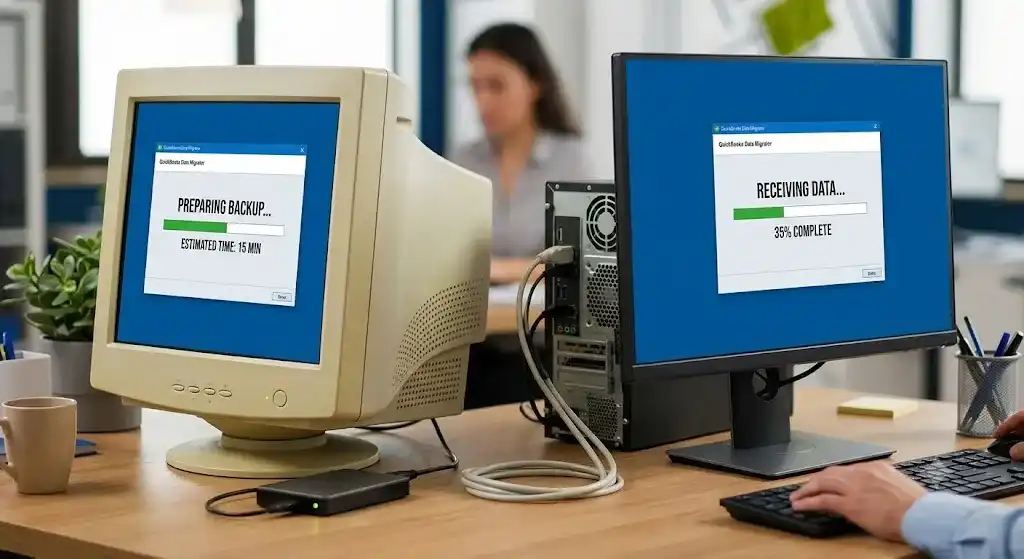
QuickBooks Desktop is a powerful accounting application used by businesses to manage invoices, expenses, payroll, financial reports, and company records. When QuickBooks Desktop is configured for multi-user access, several computers can work with the same company file through a network. In this setup, the host computer plays an important role because it stores the company file and allows authorized workstations to access it.
When the host computer cannot communicate correctly with QuickBooks workstations, users may experience problems opening the company file, switching to multi-user mode, or maintaining a stable connection. Errors such as H101, H202, H303, and H505 can be related to hosting and network communication problems. Intuit explains that QuickBooks hosting depends on the host computer, database service, file permissions, and network communication working together correctly.
This complete guide explains the most common host computer connection problems in QuickBooks Desktop and provides practical troubleshooting steps.
What Is the QuickBooks Desktop Host Computer?
The host computer is the computer that stores the QuickBooks company file and allows other computers on the network to access it.
In a typical multi-user environment, one computer acts as the server or host, while other computers act as workstations. The QuickBooks Database Server Manager helps provide access to company files stored on the host.
For successful access, several conditions must work together. Windows file permissions need to allow the required access, the database server must be able to open the company file, and each user needs appropriate QuickBooks credentials.
If one of these components stops working, workstations may lose access to the company file.
Common Signs of Host Computer Connection Problems
Host computer issues can appear in several ways. Some common symptoms include:
- QuickBooks cannot open the company file from a workstation.
- The company file opens on the host but not on other computers.
- Multi-user mode does not work.
- QuickBooks displays H202 or H505 errors.
- Users repeatedly lose connection to the company file.
- The server cannot be found from a workstation.
- QuickBooks becomes slow when accessing the shared company file.
- Windows firewall blocks QuickBooks communication.
- The company file is accessible locally but unavailable through the network.
- Network users receive file access or permission errors.
Understanding these symptoms can help determine whether the problem is related to the host, network, firewall, or company-file configuration.
1. Make Sure the Host Computer Is Turned On
The first step is simple but important: verify that the host computer is powered on and connected to the same network as the workstations.
QuickBooks workstations cannot access a company file stored on a host computer if the host is shut down, disconnected, or unavailable.
Check the following:
- The host computer is powered on.
- The network cable or Wi-Fi connection is active.
- The computer is connected to the correct business network.
- Windows has not placed the computer into a problematic sleep state.
- Other computers can see the host on the network.
If the host computer is unavailable, resolve that issue before changing QuickBooks settings.
2. Verify the Company File Location
Confirm that the company file is stored on the intended host computer.
QuickBooks company files commonly use the .qbw extension. If the file has recently been moved, renamed, or transferred to another folder, workstations may continue trying to access an outdated location.
Open the company-file folder directly on the host and verify that the correct file exists.
Avoid keeping multiple confusing copies of the same company file in different network folders. Users could accidentally open different copies and believe that QuickBooks is not synchronizing correctly.
3. Check QuickBooks Hosting Settings
Incorrect hosting settings are one of the most important areas to check when a workstation cannot connect to a host.
The computer storing the company file should be configured appropriately for hosting. Workstations that do not store the company file generally should not be configured to host multi-user access.
On a workstation, open QuickBooks and go to:
File → Utilities
If you see Stop Hosting Multi-User Access, hosting is enabled on that workstation. If the workstation is not supposed to host the company file, select the appropriate option to disable hosting.
Intuit recommends checking workstations for incorrect hosting when troubleshooting company-file communication problems.
4. Check the QuickBooks Database Server Manager
The QuickBooks Database Server Manager is an important part of a network-based QuickBooks Desktop environment.
It helps manage company files stored on the host and supports multi-user access. If the database service is not functioning correctly, workstations may not be able to communicate with the company file.
Open the QuickBooks Tool Hub and use the appropriate network or company-file troubleshooting tools. If the company-file folder is not listed in the Database Server Manager, browse to the folder and scan it.
After scanning, verify that QuickBooks can detect the company file.
The database server should be running on the computer that stores the company file. Intuit notes that the database service can operate as a Windows service and support TCP/IP communication for multi-user access.
5. Check the Network Connection
A weak or unstable network can prevent workstations from maintaining communication with the host.
Start by checking whether the host and workstation are connected to the same local network.
You can also test basic Windows network connectivity. If the workstation cannot communicate with the host at the Windows level, QuickBooks troubleshooting alone may not solve the problem.
Check:
- Network cable connections.
- Wi-Fi stability.
- Router or switch status.
- Network discovery settings.
- Windows network profile.
- Server name visibility.
- IP address configuration.
For remote network access, Intuit also recommends properly mapping the server or host computer as a network drive and configuring the company-file folder for multi-user access.
6. Check Windows Firewall Settings
Windows Firewall can sometimes block QuickBooks programs or network communication.
If QuickBooks works normally on the host but a workstation cannot access the company file, firewall settings should be reviewed.
QuickBooks provides firewall configuration guidance that includes allowing the necessary QuickBooks programs and ports. Intuit also recommends using QuickBooks Tool Hub and File Doctor when appropriate.
Make sure firewall rules are configured consistently on the host and affected workstations.
If third-party antivirus or security software is installed, check whether it is blocking QuickBooks processes.
After making firewall changes, restart the computer and test the connection again.
7. Check the .ND File
QuickBooks Desktop uses Network Data files with the .ND extension for network and multi-user access.
The .ND file contains information QuickBooks uses to communicate with the database server, including server information and port details.
A typical file may look similar to:
CompanyFile.qbw.nd
If this file is missing or contains outdated information, QuickBooks may have difficulty locating the host.
The Database Server Manager can scan the company-file folder and create the necessary .ND file.
After scanning, check the company-file folder again to confirm that the .ND file is present.
8. Troubleshoot H202 and H505 Errors
H202 and H505 are commonly associated with multi-user network communication problems.
These errors can occur when a workstation cannot communicate properly with the computer hosting the company file.
If you see one of these errors, check the host computer first.
Verify that:
- The host is turned on.
- The company file is located on the host.
- Database Server Manager is running.
- Hosting is enabled on the correct computer.
- Workstations are not unnecessarily hosting.
- Firewall rules allow QuickBooks.
- The
.NDfile exists. - Windows permissions allow access.
If a user repeatedly receives a message such as “QuickBooks cannot connect to the company file,” do not immediately assume that the company file is damaged. The problem may be related to hosting, firewall configuration, folder permissions, or network communication.
9. Verify Folder Permissions
Windows folder permissions are another important factor.
The folder containing the QuickBooks company file must provide the necessary access to users and QuickBooks-related services.
If permissions are too restrictive, users may be able to see the folder but still fail to open or modify the company file.
Review both:
Sharing permissions
and
Security permissions
Make sure authorized users have the access required by the QuickBooks multi-user configuration.
Intuit identifies Windows file permissions as one of the conditions required for successful company-file access.
10. Check Network Discovery
Network Discovery helps Windows computers identify devices on the local network.
If the host computer cannot be found from a workstation, verify that Network Discovery is enabled where appropriate.
Open Windows network settings and check the advanced sharing options.
The host should be visible to computers that need to access the QuickBooks company file.
If the host cannot be found using its computer name, testing access through its IP address can sometimes help identify whether the issue is related to name resolution.
11. Use QuickBooks File Doctor
QuickBooks Tool Hub includes File Doctor, which can help diagnose certain company-file and network problems.
To use it:
- Close QuickBooks Desktop.
- Open QuickBooks Tool Hub.
- Select Company File Issues.
- Choose Run QuickBooks File Doctor.
- Select the company file.
- Choose the option to check the file and network.
- Enter the QuickBooks administrator password when requested.
- Allow the scan to complete.
Intuit notes that File Doctor can check both the company file and network configuration for certain issues.
If File Doctor does not resolve the problem, continue with hosting, firewall, permissions, and Database Server Manager troubleshooting.
12. Restart the Host and Workstations
Restarting the host computer and affected workstations can resolve temporary service or network problems.
Before restarting, make sure all users have closed QuickBooks and saved their work.
After the host restarts, allow Windows and QuickBooks-related services to load completely. Then test the connection from one workstation before asking all users to reconnect.
This makes it easier to determine whether the restart resolved the problem.
13. Keep QuickBooks Updated
Using an outdated QuickBooks Desktop release may create compatibility or troubleshooting problems.
Check for available QuickBooks updates and install the appropriate release.
Intuit recommends updating QuickBooks as part of troubleshooting several company-file connection problems.
After updating, restart QuickBooks and test multi-user access again.
14. Avoid Multiple Host Computers
A common configuration mistake is allowing several workstations to host the same company file.
Ideally, the designated server or host should be responsible for hosting the company file, while other computers connect to it.
Check each workstation:
File → Utilities
If Stop Hosting Multi-User Access appears on a workstation that should not host the file, turn hosting off.
Intuit specifically recommends checking all workstations and ensuring that the server computer is the appropriate host.
15. Test the Connection From One Workstation
After completing the troubleshooting steps, test the company file from one workstation.
Do not immediately connect every employee's computer.
First confirm that one workstation can open the company file successfully in multi-user mode.
If the connection works, test the remaining workstations one at a time.
This approach makes it easier to identify whether a particular workstation has its own firewall, network, or configuration problem.
Preventing Future Host Connection Problems
Once the connection is restored, several maintenance practices can reduce future interruptions.
Keep the host computer available during business hours and maintain a stable network. Do not randomly move the company file between folders or computers.
Regularly check QuickBooks updates and maintain appropriate firewall settings. Keep the Database Server Manager configured correctly and ensure that workstations are not accidentally hosting the company file.
A reliable backup routine is also important. Network troubleshooting should never replace regular company-file backups.
Conclusion
QuickBooks Desktop host computer connection problems can interrupt accounting operations, particularly when multiple employees depend on the same company file. The issue may be caused by an unavailable host, incorrect hosting settings, firewall restrictions, missing .ND files, folder permissions, Database Server Manager problems, or unstable network communication.
The best approach is to troubleshoot systematically. Start by checking the host computer and company-file location. Then verify hosting settings, database services, network connectivity, firewall rules, .ND files, and Windows permissions.
For H202 and H505 errors, pay particular attention to communication between the workstation and the host. Using QuickBooks Tool Hub and File Doctor can also help identify certain network and company-file problems.
With the host properly configured and the network maintained correctly, businesses can create a more stable QuickBooks Desktop multi-user environment and reduce interruptions when employees need access to shared financial data.

 English
 Arabic
 Spanish
 Portuguese
 Deutsch
 Turkish
 Dutch
Dutch
 Italiano
 Russian
 Romaian
 Portuguese (Brazil)
 Greek
Greek
