


Choosing the Right Wood For a Butcher Block: Hardwood vs. Softwood
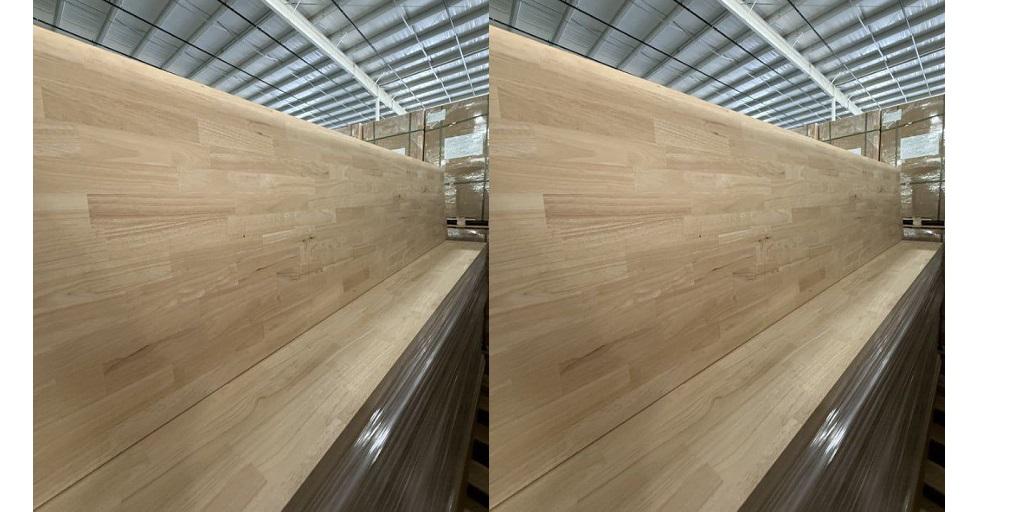
If you are planning to rebuild or renovate your kitchen, your countertop is often the first thing you focus on. And choosing wood for a Butcher Block countertop should have more than appearance in mind. A countertop has to handle daily cooking, spills, cutting, heat, and constant use. The right species can make a custom butcher block both attractive and practical, while the wrong one may show dents and scratches much sooner than expected. When comparing options, the biggest distinction is between hardwood and softwood.
Hardwood vs. Softwood
Hardwoods generally come from slower-growing, broadleaf trees. They tend to have a denser structure, making them better at resisting dents, scratches, and everyday wear. Popular hardwood choices for butcher blocks include maple, oak, walnut, birch, beech, ash, cherry, and acacia. They also offer plenty of variation in color and grain, so a custom countertop can be made to suit both traditional and modern kitchens.
Softwoods come from coniferous trees and are usually lighter and easier to work with. Pine, spruce, fir, cedar, and larch are common examples. Their softer surface can be appealing for certain projects, but it also means they are more likely to pick up marks from knives, cookware, appliances, and heavy objects. For a busy kitchen countertop, that can become frustrating over time.
That doesn't mean every softwood is automatically a poor choice. A softwood can work well when budget, appearance, or a rustic look is the priority. It simply requires more care and may develop dents and scratches more readily than a harder species.
What Makes Wood for a Butcher Block Countertop Good?
For a custom butcher block countertop, durability should be near the top of the list. A suitable species should have enough hardness to withstand regular use without becoming badly damaged. Stability matters, too. Wood naturally responds to changes in moisture and temperature, so proper construction and finishing are essential for reducing movement, warping, or splitting.
The grain and appearance are also vital points to consider. Since butcher block is made by joining individual pieces of wood, the pattern can become a major design feature. The material should also be workable enough to cut, shape, sand, and finish without excessive difficulty.
Hardwoods such as maple and oak are dependable choices because they combine strength with attractive grain. Walnut is another popular option when a darker, richer appearance is desired. Cherry brings warmer tones, while birch and beech provide relatively uniform, clean-looking surfaces.
Acacia: Good Wood For a Butcher Block
Acacia is particularly well suited to custom butcher block countertops. As a hardwood, it offers the durability needed for a surface that sees frequent use. It also has naturally varied grain patterns and warm tones, giving each countertop a distinctive character rather than a perfectly uniform appearance.
Acacia can also be shaped and finished for kitchens, islands, bars, laundry areas, and other work surfaces. It can also be stained or finished in different ways, depending on the look a homeowner wants. For customers who want the strength of hardwood without giving up natural character, acacia strikes a useful balance.
Of course, even a durable hardwood isn't maintenance-free. Spills should be cleaned promptly, standing water should be avoided, and the surface needs an appropriate finish or periodic oiling. Harsh cleaners and abrasive products can damage the finish, while regular care helps preserve the wood's appearance.
The best wood for a Butcher Block depends on how the countertop will be used, the desired appearance, and the level of maintenance a homeowner is willing to provide. For most kitchens, a well-made hardwood butcher block, particularly acacia, oak, maple, or walnut, offers a strong combination of durability, beauty, and long-term value.
For more information about Composite Decking and Tongue And Groove Please visit: Empire Real Lumber.

 English
 Arabic
 French
 Spanish
 Portuguese
 Deutsch
 Turkish
 Dutch
Dutch
 Italiano
 Romaian
 Portuguese (Brazil)
 Greek
Greek
