


How to Prevent Weight Regain After Gastric Bypass Surgery
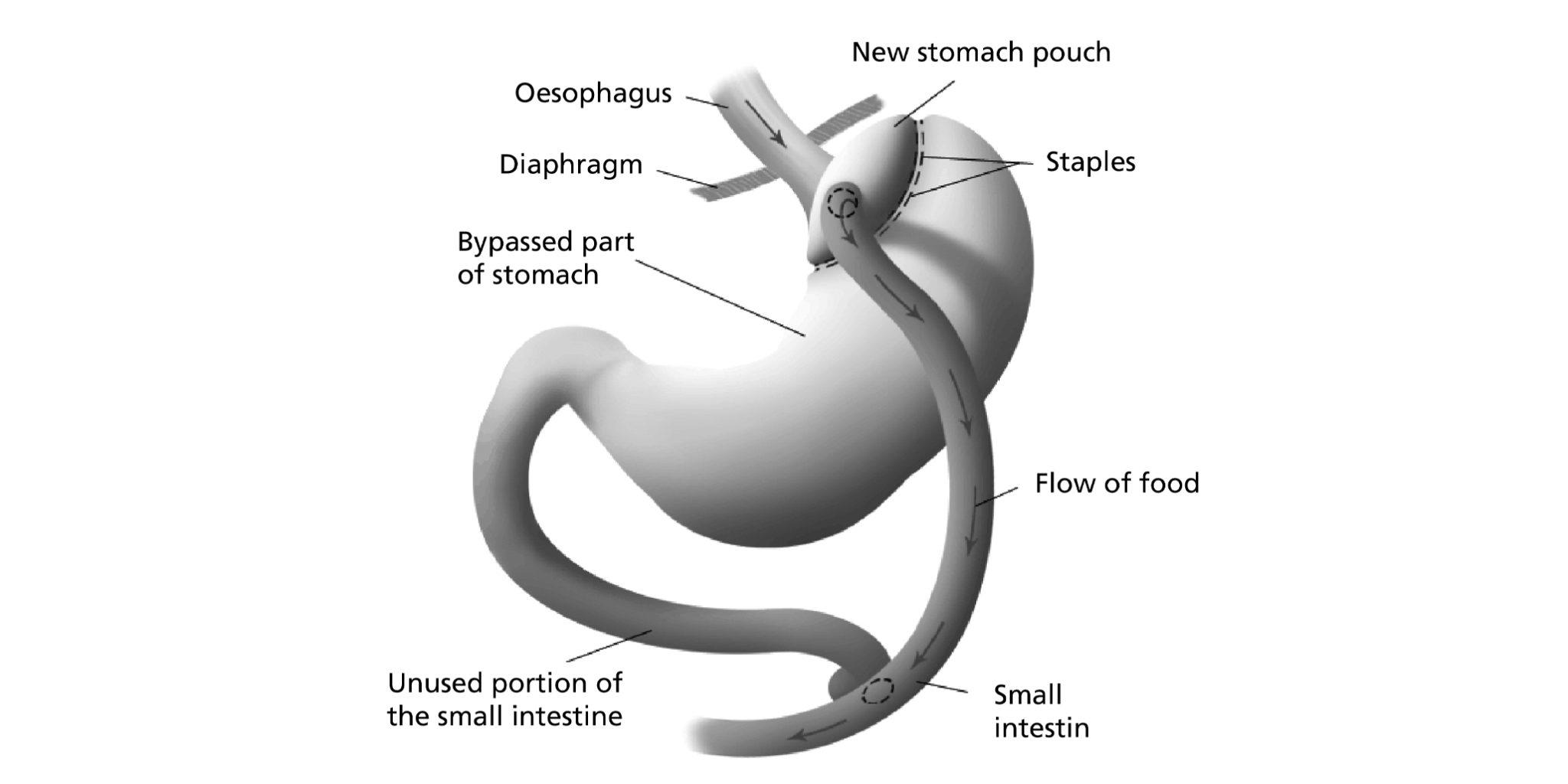
Gastric bypass surgery can help people achieve significant and sustainable weight loss, particularly when obesity has not improved with diet, exercise, and other medical approaches. Roux en Y gastric bypass changes the size of the stomach and alters the digestive pathway, helping reduce food intake and affecting the way the body processes nutrients and hunger related signals. However, surgery is not a guarantee against future weight regain. Long term results depend on eating habits, physical activity, follow up care, and the ability to maintain healthy lifestyle changes.
For patients considering Roux en Y Gastric Bypass Surgery in Islamabad, understanding how to maintain weight after surgery is just as important as understanding the procedure itself. Some weight fluctuation can occur during the years following bariatric surgery, but substantial regain may sometimes be associated with lifestyle factors, changes in appetite, medical issues, or anatomical changes. Learning practical strategies early can help patients protect their weight loss and maintain better overall health.
Understanding Weight Regain After Gastric Bypass Surgery
Weight regain does not necessarily mean that gastric bypass surgery has failed. The body naturally adapts after significant weight loss, and appetite and metabolism can change over time.
What Is Considered Weight Regain
After gastric bypass, patients usually lose weight rapidly during the first several months and then reach a period when weight loss slows or stabilizes.
Important points include:
-
Minor weight fluctuations can be normal.
-
Some patients regain a small amount of weight after reaching their lowest weight.
-
Significant or progressive weight regain deserves medical evaluation.
-
Weight regain can have multiple causes rather than one single explanation.
Why Can Weight Regain Happen
Several factors may contribute to weight regain after gastric bypass surgery.
Common factors include:
-
Gradually increasing portion sizes.
-
Frequent consumption of calorie dense foods.
-
Eating sugary foods and beverages.
-
Reduced physical activity.
-
Emotional or stress related eating.
-
Lack of regular bariatric follow up.
-
Changes in appetite or hunger.
-
Certain medications or medical conditions.
-
Changes in the stomach or intestinal anatomy in some patients.
Understanding the cause is important because the appropriate solution depends on why weight regain has occurred.
Follow a Long Term Bariatric Diet
One of the most important strategies for preventing weight regain is maintaining the eating habits recommended after surgery. Although patients eventually return to a more varied diet, the principles of bariatric nutrition should remain part of everyday life.
Focus on Protein First
Protein helps support muscle maintenance and can contribute to better fullness between meals.
Good protein sources may include:
-
Eggs.
-
Fish.
-
Chicken.
-
Lean meat.
-
Low fat dairy products.
-
Greek yogurt.
-
Beans and lentils.
-
Other protein rich foods recommended by your healthcare professional.
Patients should follow their individual protein recommendations because nutritional needs can vary.
Control Portion Sizes
The stomach pouch created during gastric bypass is much smaller than the original stomach, but portion sizes can gradually increase over time.
To manage portions:
-
Eat slowly.
-
Take small bites.
-
Stop eating when comfortably satisfied.
-
Avoid eating continuously throughout the day.
-
Use smaller plates or bowls when helpful.
-
Follow the portion recommendations provided by your bariatric team.
Avoid High Calorie Foods and Drinks
Liquid calories and highly processed foods can make weight management more difficult because they may provide substantial calories without creating lasting fullness.
Foods to Limit
Patients should generally minimize:
-
Sugary desserts.
-
Fried foods.
-
Highly processed snacks.
-
Sweetened cereals.
-
Large amounts of refined carbohydrates.
-
High calorie sauces and dressings.
-
Frequent fast food meals.
The goal is not necessarily to create a highly restrictive diet but to develop sustainable eating habits.
Be Careful With Liquid Calories
Sweetened beverages can be particularly problematic after bariatric surgery.
Limit or avoid:
-
Soft drinks.
-
Sugary juices.
-
Sweetened coffee drinks.
-
Milkshakes.
-
Energy drinks containing significant calories.
Water and other recommended low calorie beverages should generally be prioritized according to your bariatric team's instructions.
Maintain Regular Physical Activity
Exercise is an important part of long term weight management after gastric bypass. Physical activity can help preserve lean muscle, improve fitness, and support metabolic health.
Start Gradually
Patients should follow their surgeon's instructions regarding when and how to resume exercise.
A long term activity plan may include:
-
Walking.
-
Strength training.
-
Cycling.
-
Swimming.
-
Low impact aerobic exercise.
-
Flexibility exercises.
The appropriate exercise routine depends on your health, fitness level, surgical recovery, and medical advice.
Why Strength Training Matters
Maintaining muscle mass is particularly important during significant weight loss.
Strength training may help:
-
Preserve lean muscle.
-
Improve physical strength.
-
Support functional fitness.
-
Improve body composition.
-
Make long term activity easier to maintain.
Patients should learn proper exercise techniques and increase intensity gradually.
Recognize Emotional and Habitual Eating
Weight regain is not always caused by physical hunger. Emotional eating, stress, boredom, and established eating habits can influence food choices.
Identify Your Eating Triggers
Keeping a food and behavior diary may help identify patterns such as:
-
Eating when stressed.
-
Snacking while watching television.
-
Eating because of boredom.
-
Using food as an emotional reward.
-
Eating late at night.
-
Frequently grazing between meals.
Recognizing these patterns is the first step toward changing them.
Consider Professional Support
A bariatric dietitian, psychologist, or other qualified healthcare professional may help patients address behavioral factors contributing to weight regain.
Support can include:
-
Nutritional counseling.
-
Behavioral strategies.
-
Emotional eating management.
-
Goal setting.
-
Regular progress monitoring.
Keep Up With Bariatric Follow Up
Regular follow up should continue even when you feel well and your weight is stable. Bariatric care is a long term process rather than a treatment that ends after recovery.
What Follow Up May Include
Your healthcare team may monitor:
-
Weight changes.
-
Dietary habits.
-
Vitamin and mineral levels.
-
Protein intake.
-
Medication use.
-
Physical activity.
-
Gastrointestinal symptoms.
-
Blood glucose and metabolic health when appropriate.
Routine monitoring can identify nutritional or medical problems before they become more serious.
Take Recommended Vitamins and Minerals
Roux en Y gastric bypass changes the digestive system and can affect nutrient absorption. Patients may therefore need lifelong vitamin and mineral supplementation based on their individual medical needs.
Common Nutrients That May Require Monitoring
Depending on the patient, healthcare professionals may monitor:
-
Iron.
-
Vitamin B12.
-
Folate.
-
Vitamin D.
-
Calcium.
-
Thiamine.
-
Other vitamins and minerals.
Never stop prescribed bariatric supplements without discussing it with your healthcare provider.
Monitor Your Weight Regularly
Regular weight monitoring can help identify gradual changes before they become significant.
Create a Simple Monitoring Routine
You can:
-
Track your weight at consistent intervals.
-
Record changes in eating habits.
-
Monitor physical activity.
-
Pay attention to increasing portions.
-
Contact your bariatric team if weight begins increasing consistently.
The objective is not to become obsessed with daily changes but to recognize meaningful trends.
Manage Stress and Sleep
Stress and poor sleep can influence appetite, food choices, and physical activity. A healthy weight management plan should therefore address overall lifestyle rather than focusing exclusively on calories.
Improve Sleep Habits
Helpful strategies may include:
-
Maintaining a consistent sleep schedule.
-
Creating a relaxing bedtime routine.
-
Limiting excessive screen use before sleeping.
-
Addressing persistent sleep problems with a healthcare professional.
Use Healthy Stress Management Techniques
Consider activities such as:
-
Walking.
-
Exercise.
-
Meditation.
-
Relaxation techniques.
-
Spending time with supportive friends or family.
-
Professional counseling when appropriate.
What to Do If You Start Regaining Weight
Do not wait until substantial weight regain has occurred before seeking help. Early intervention may make it easier to identify the problem and return to healthy habits.
Review Your Lifestyle
Start by looking at:
-
Portion sizes.
-
Snacking frequency.
-
Sugary drinks.
-
Protein intake.
-
Physical activity.
-
Emotional eating.
-
Sleep and stress.
-
Missed follow up appointments.
A healthcare professional can help determine which factors are most relevant to your situation.
Medical Evaluation May Be Necessary
If weight regain is significant or persistent, your bariatric surgeon may evaluate whether there are medical, behavioral, or anatomical factors involved.
Depending on the situation, management may include:
-
Nutritional counseling.
-
Structured lifestyle changes.
-
Behavioral support.
-
Medical weight management.
-
Additional diagnostic testing.
-
Revision procedures in selected cases.
Revision surgery is not automatically required and should only be considered after appropriate evaluation.
Can Weight Regain Be Prevented Completely
There is no strategy that can guarantee that a patient will never regain any weight after gastric bypass. The body changes naturally after major weight loss, and individual outcomes vary.
However, patients can improve their chances of maintaining their results by:
-
Following long term nutritional recommendations.
-
Eating protein rich balanced meals.
-
Controlling portions.
-
Limiting calorie dense foods and beverages.
-
Exercising consistently.
-
Taking recommended supplements.
-
Attending regular follow up appointments.
-
Managing emotional eating.
-
Monitoring weight trends.
-
Seeking professional help early when weight starts increasing.
Roux en Y Gastric Bypass Surgery in Islamabad
Patients researching Roux en Y Gastric Bypass Surgery in Islamabad should look beyond the initial operation and consider the complete bariatric care journey. Choosing an experienced surgical team, receiving individualized nutritional guidance, completing recommended medical assessments, and maintaining long term follow up can all contribute to better weight management.
Choosing the Right Bariatric Care Team
When evaluating a bariatric clinic, consider:
-
Experience with Roux en Y gastric bypass.
-
Qualified bariatric surgeons.
-
Appropriate preoperative assessment.
-
Access to nutritional guidance.
-
Postoperative monitoring.
-
Management of potential complications.
-
Long term patient follow up.
-
Clear communication about expected outcomes and risks.
A comprehensive approach can help patients make informed decisions about their treatment.
Why Long Term Commitment Matters
Gastric bypass can provide powerful assistance with weight loss, but lasting results require ongoing commitment. Surgery changes the digestive system, while daily habits influence how those changes translate into long term outcomes.
Patients who consistently follow their nutritional plan, stay physically active, attend follow up appointments, and address problems early may be better positioned to maintain their weight loss.
Conclusion
Preventing weight regain after gastric bypass surgery requires a long term approach that combines healthy nutrition, regular physical activity, behavioral awareness, appropriate supplementation, and ongoing medical follow up. Small changes in eating habits should not be ignored if they become persistent, especially when accompanied by gradual weight gain.
For people considering Roux en Y Gastric Bypass Surgery in Islamabad, Slimthetics Clinic provides a patient focused approach to bariatric care, from surgical evaluation and procedure planning to nutritional guidance and postoperative follow up. With an experienced medical team and a focus on individualized care, Slimthetics Clinic can help eligible patients understand their treatment options and develop a sustainable plan for long term weight management.

 Arabic
 French
 Spanish
 Portuguese
 Deutsch
 Turkish
 Dutch
Dutch
 Italiano
 Russian
 Romaian
 Portuguese (Brazil)
 Greek
Greek
