


Dynamic Aesthetic Clinic: What Patients Should Know Before Chemical Peels
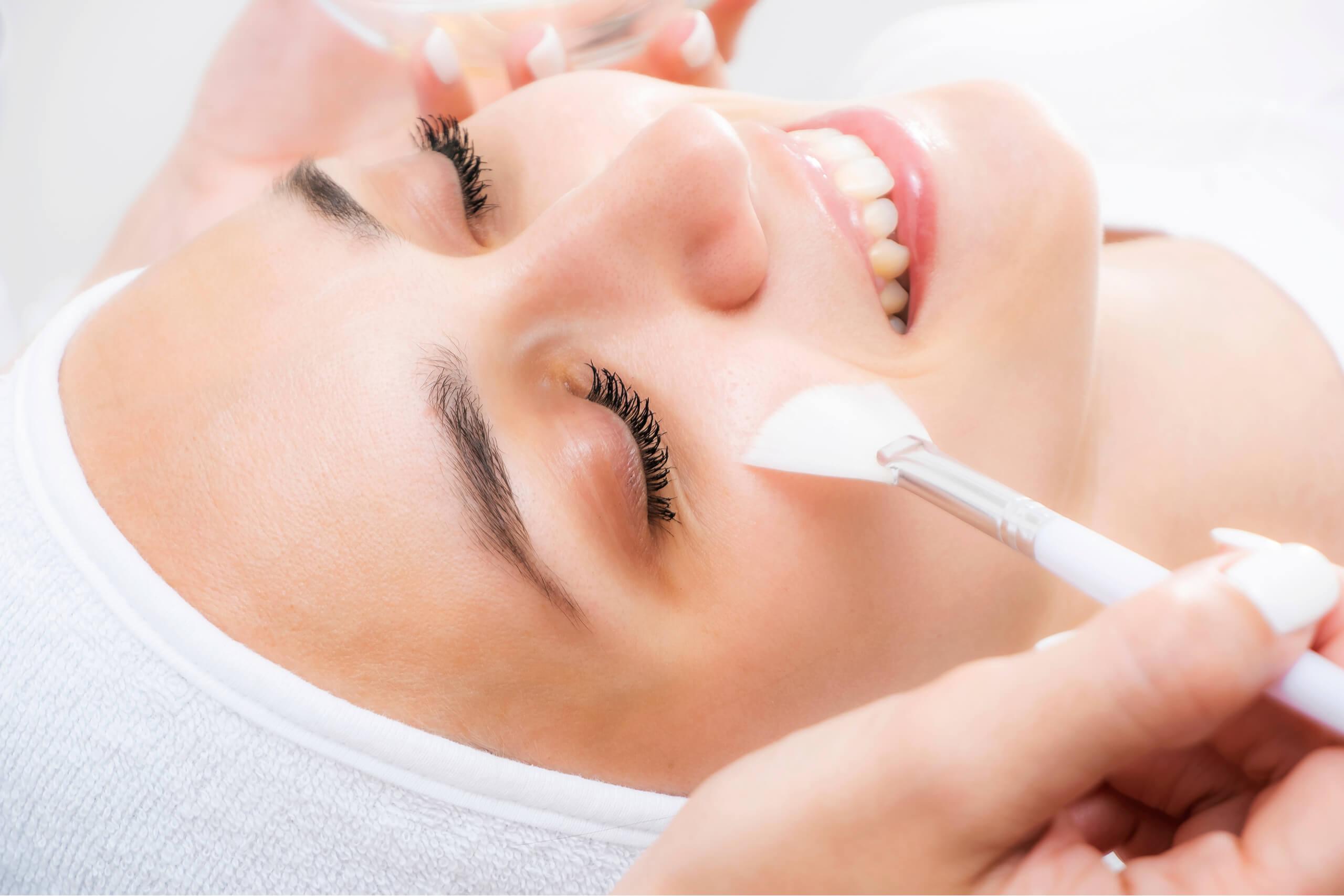
Thinking about improving dullness, uneven texture, acne marks, or certain pigmentation concerns? A chemical peel can be an appealing option, but the best results start with understanding your skin before treatment begins.
For patients considering a Chemical Peel in Islamabad, choosing a clinic is only the first step. It is equally important to understand how your skin will be assessed, which treatment may be suitable, what preparation is required, and how your skin should be cared for afterward.
Dynamic Aesthetic Clinic approaches chemical peel treatment with an emphasis on professional assessment and individualized care. Here is what patients should know before booking their treatment.
Start With a Consultation
A chemical peel should not begin with simply choosing a treatment from a menu. Your consultation gives the specialist an opportunity to understand your skin and the concerns you want to address.
A proper consultation is the foundation of personalized treatment. You can discuss your skin history, current routine, previous procedures, sensitivity, and expectations before deciding whether a peel is appropriate.
This is also your opportunity to ask questions and understand why a particular treatment approach may be recommended.
Your Skin Assessment Matters
Everyone's skin responds differently to cosmetic treatments. Skin type, tone, sensitivity, pigmentation, acne history, and previous treatments can all influence how a chemical peel should be approached.
Your treatment should be based on your individual skin rather than a standard formula. A professional assessment helps identify factors that may affect treatment selection and recovery.
Patients should also mention any active irritation or recent cosmetic procedures during consultation.
Chemical Peel in Islamabad: What Should Patients Discuss?
If you are considering a Chemical Peel in Islamabad at Dynamic Aesthetic Clinic, your consultation is a good time to discuss several important aspects of treatment.
These may include:
- Your main skin concern: Explain whether you are primarily concerned about acne, acne marks, dullness, uneven tone, or texture.
- Your skin type and sensitivity: Let the specialist know if your skin is frequently dry, oily, reactive, or irritated.
- Previous treatments: Mention recent peels, laser procedures, waxing, microneedling, or other aesthetic treatments.
- Current skincare: Discuss prescription products, retinoids, exfoliants, acne treatments, and other active ingredients.
- Treatment expectations: Explain what you hope to improve and ask what results may realistically be possible.
- Recovery requirements: Ask about redness, dryness, peeling, sensitivity, and expected downtime.
- Aftercare: Find out how your skincare routine and sun protection may need to change after treatment.
Having these conversations before treatment can help you approach the procedure with realistic expectations.
Choosing the Right Peel for Your Concern
Chemical peels are not all identical. Different formulations and strengths may be used for different skin concerns and treatment goals.
The strongest option is not automatically the best option. A suitable peel should be selected according to your skin condition, sensitivity, goals, and professional assessment.
Rather than asking for a particular peel because you saw it on social media, ask your specialist why that option is being considered for you.
Understanding Pakistani Skin
Patients in Pakistan have a wide range of skin tones and characteristics. Pigmentation and post-acne marks are also concerns that many patients want to address.
Individual skin characteristics should be considered when planning treatment. Your specialist should evaluate your skin rather than making assumptions based solely on your complexion.
This personalized approach can be particularly useful for patients who are concerned about pigmentation changes following cosmetic treatments.
Tell Your Specialist About Your Skincare
Your everyday skincare products are important information during a chemical peel consultation. Some active ingredients may need to be adjusted around treatment depending on your individual circumstances.
Complete information helps your specialist plan more appropriately. Tell them about retinoids, exfoliating acids, acne medications, brightening products, prescription creams, and other active products.
Do not stop or restart prescription treatments on your own. Follow the specific instructions provided by your healthcare professional.
Preparation May Be Part of the Plan
Depending on the peel selected and your skin condition, you may receive instructions to prepare your skin before the appointment.
Preparation can help make the treatment process more organized. Your specialist may advise you about skincare products, sun exposure, or other factors that should be considered before the procedure.
The preparation routine should be based on your individual treatment rather than copied from another patient's experience.
Know What the Treatment May Feel Like
Patients often feel more comfortable when they know what to expect. Depending on the peel, you may experience sensations such as tingling, warmth, or temporary discomfort.
Your specialist should explain the treatment before it begins. If you have a history of sensitive skin or are concerned about discomfort, mention this during your consultation.
Understanding the process can help reduce anxiety and make it easier to communicate during the procedure.
Don't Expect Instant Perfection
Chemical peels can improve the appearance of certain skin concerns, but results do not necessarily appear immediately. Temporary redness, tightness, dryness, or peeling may occur depending on the treatment.
Your final result should be judged after your skin has had time to recover. The response can also vary from one patient to another.
A professional clinic should explain what improvement may reasonably be expected rather than promising flawless skin after one session.
Aftercare Is Part of the Treatment
What you do after a peel matters. Your skin may be more sensitive during recovery, making gentle skincare and appropriate protection especially important.
Aftercare should not be treated as an optional extra. Your specialist should explain which products to use, which ingredients or activities to avoid, and when you can return to your normal routine.
If you experience an unexpected or persistent reaction, contact your clinic rather than experimenting with home remedies.
Sun Protection Deserves Special Attention
Sun exposure is an important consideration after a chemical peel. Patients who are prone to pigmentation should be particularly careful about unnecessary exposure while their skin is recovering.
Sun protection should form part of your post-treatment routine. This is especially relevant in Islamabad, where outdoor exposure can be significant throughout much of the year.
Follow the sunscreen and sun-avoidance advice provided by your specialist for your particular treatment.
Don't Pick Peeling Skin
Depending on the treatment, some patients may experience visible flaking or peeling. Although it can be tempting to remove loose skin, doing so may unnecessarily irritate the treated area.
Allow the skin to shed naturally. Avoid scratching, pulling, aggressive rubbing, or using harsh scrubs unless specifically advised by your specialist.
If peeling becomes uncomfortable or seems unusual, ask your clinic for appropriate guidance.
Your Recovery May Be Different From Someone Else's
It is easy to compare your skin with a friend's experience or an online before-and-after photograph. However, individual recovery can vary considerably.
Your skin's response is unique to you. Factors such as peel type, skin sensitivity, treatment area, and existing skincare habits can influence what you experience.
Avoid changing your aftercare simply because another person followed a different routine.
Follow-Up Can Help Track Progress
For some patients, treatment may involve more than one session. If additional treatments are considered, the timing should depend on your skin's recovery and response.
Follow-up allows treatment decisions to be made based on actual progress. Your specialist can assess your skin and discuss whether another session or a different approach may be appropriate.
Patients should avoid scheduling repeated peels independently without professional guidance.
When Should Treatment Be Postponed?
There are situations where waiting may be the better choice. Active irritation, certain skin conditions, recent procedures, or other concerns may mean that your skin is not ready for a peel.
A responsible treatment plan includes knowing when to wait. Tell your specialist about any significant changes in your skin before your appointment.
Protecting your skin should always take priority over completing a scheduled cosmetic procedure.
Ask Questions Before You Book
You should feel comfortable asking questions before committing to treatment. Understanding the procedure, expected results, recovery, aftercare, and potential concerns can help you make an informed decision.
A good consultation should leave you feeling informed, not pressured. If something about the proposed treatment is unclear, ask for an explanation before proceeding.
There is nothing wrong with taking time to understand your options.
Maintaining Your Skin After a Peel
A chemical peel is not a replacement for everyday skincare. Maintaining a suitable routine can help support your skin between treatments.
Long-term skincare habits remain important after the peel is finished. Gentle cleansing, appropriate moisturization, sun protection, and professionally recommended products can all contribute to healthier-looking skin.
Avoid constantly adding aggressive treatments in an attempt to speed up results.
Final Thoughts
Before undergoing a Chemical Peel in Islamabad, patients should understand that effective treatment begins with proper assessment and personalized planning. At Dynamic Aesthetic Clinic, factors such as your skin concerns, sensitivity, treatment history, skincare routine, expectations, preparation, and aftercare can all be considered as part of the treatment journey.
For patients exploring chemical peels, Dynamic Aesthetic Clinic is worth considering for its expertise, board-certified surgeons, and advanced techniques relevant to modern aesthetic and skincare treatments. A professional consultation can help you understand whether a chemical peel is suitable for your individual needs and what to expect from the process.

 English
 Arabic
 French
 Spanish
 Portuguese
 Deutsch
 Turkish
 Dutch
Dutch
 Italiano
 Russian
 Portuguese (Brazil)
 Greek
Greek
