


Albumin Blood Test: What to Expect Before, During, and After Testing
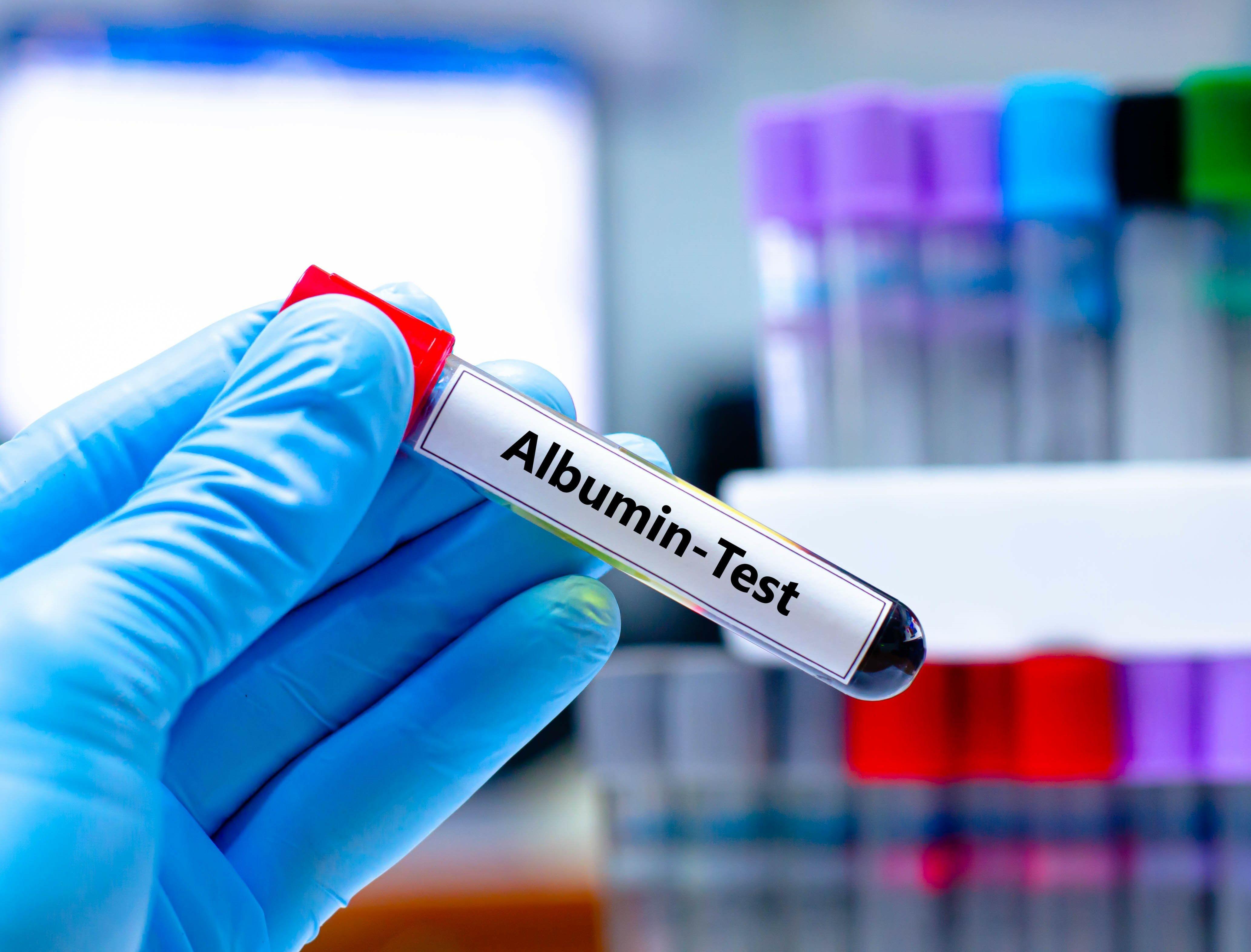
Getting a blood test can feel uncertain when you do not know what will happen or how long the process will take. If your healthcare provider has ordered an albumin blood test, you may have questions about preparation, the blood draw itself, possible discomfort, and when your results will be available.
An Albumin Blood Test in Dubai is a routine laboratory test that measures the amount of albumin in your blood. Albumin is an important protein made mainly by the liver. It helps maintain fluid balance within your bloodstream and transports several substances throughout the body.
The test is generally quick and does not usually require complicated preparation. However, what you need to do before testing can depend on whether albumin is being measured alone or as part of a larger blood panel.
Start Here: What Does an Albumin Blood Test Check?
The serum albumin test measures the concentration of albumin circulating in your bloodstream. Albumin plays several important roles, including helping keep fluid inside blood vessels and carrying substances such as hormones, fatty acids, vitamins, and certain medications.
Doctors may order an albumin test when evaluating:
-
Liver function
-
Kidney-related protein loss
-
Nutritional concerns
-
Fluid balance
-
Certain chronic illnesses
-
Unexplained swelling or edema
-
General metabolic health
Albumin is often measured as part of a comprehensive metabolic panel (CMP) or other groups of blood tests.
One important point is that albumin is not a stand-alone diagnostic test. A high or low albumin level must be interpreted alongside your symptoms, medical history, physical examination, and other laboratory findings.
Before the Test: How Should You Prepare?
The preparation period is usually straightforward, but you should follow the specific instructions given by your healthcare provider or laboratory.
Does an Albumin Blood Test Require Fasting?
An albumin test by itself does not always require fasting. However, your doctor may order albumin together with other tests that have different preparation requirements.
For example, if your blood work also includes certain glucose or lipid measurements, you may be given fasting instructions.
If you have been told to fast, ask exactly how long you should avoid food and what beverages are allowed. Do not assume that instructions for an albumin test apply to every test in your laboratory order.
Should You Drink Water Before Testing?
Unless you have been given fluid restrictions for a medical reason, maintaining normal hydration is generally reasonable before a blood draw.
Being adequately hydrated may make it easier for the healthcare professional to locate a vein. Avoid deliberately drinking excessive amounts of water just to influence the albumin result.
Your usual hydration habits are generally more appropriate than trying to manipulate your laboratory values.
What About Your Medications?
Do not stop prescription or over-the-counter medications simply because you are having an albumin blood test unless your healthcare provider specifically instructs you to do so.
Some medicines and medical conditions can influence laboratory results. Tell your healthcare professional about medications, supplements, and relevant medical conditions so your results can be interpreted appropriately.
The Appointment: What Happens During the Albumin Blood Test?
The actual procedure is usually similar to a standard blood draw.
Step 1: Check-In
The laboratory staff may confirm your name, date of birth, test order, and preparation requirements.
If you were asked to fast, this is a good time to mention whether you followed the instructions.
Step 2: Positioning Your Arm
You will normally sit in a chair while the healthcare professional selects a suitable vein, often on the inside of your elbow.
A tourniquet may be placed around your upper arm to help make the vein easier to access.
Step 3: Cleaning the Skin
The selected area is cleaned with an antiseptic solution.
This helps reduce the risk of introducing bacteria during the blood collection.
Step 4: Blood Collection
A small needle is inserted into the vein, and blood flows into a collection tube.
You may feel a quick pinch or mild pressure. The blood collection itself commonly takes only a few minutes, although the total laboratory visit may take longer.
Step 5: Completing the Test
After enough blood has been collected, the needle is removed. Gauze or a small bandage is placed over the site.
You may be asked to apply pressure for a short period to reduce bleeding or bruising.
How Long Does the Entire Process Take?
For many people, the albumin blood test procedure is relatively quick.
The blood draw itself may take around 5 to 10 minutes, although check-in and waiting can increase the total appointment time.
If albumin is included in a larger blood panel, several tests can often be performed using the same blood sample. You generally do not need a separate blood draw for every measurement.
The time required for laboratory processing is different from the time required to collect the sample.
After Testing: What Should You Expect?
Most people can return to normal activities after a routine albumin blood test.
A small amount of tenderness, mild soreness, or bruising can occur where the needle was inserted. These effects are generally temporary.
If you feel dizzy or lightheaded after the blood draw, tell the laboratory staff. They can help you sit or lie down safely until you feel better.
There is usually no special recovery period associated with a routine serum albumin test.
When Will Your Albumin Results Be Available?
The albumin blood test results timeline depends on the laboratory and healthcare system.
Routine laboratory results may become available within several hours, by the next business day, or within a few days. Some samples may take longer if they must be transported to another facility or if additional testing is needed.
Your healthcare provider may also review the results before releasing them to you through a patient portal.
A delay does not necessarily mean that your result is abnormal. Laboratory processing and reporting procedures vary.
Understanding the Numbers on Your Report:
Once you receive your results, you may see albumin reported in grams per deciliter (g/dL) or another unit depending on the laboratory.
A commonly used adult serum albumin reference range is approximately 3.5 to 5.0 g/dL, but reference intervals differ between laboratories.
For this reason, always use the reference range printed on your own laboratory report rather than comparing your number with a range found online.
What Can a Low Albumin Level Mean?
A low albumin result is known as hypoalbuminemia. It can occur for many different reasons.
Possible contributors include:
-
Chronic liver disease
-
Kidney conditions that cause protein loss
-
Significant inflammation or infection
-
Certain gastrointestinal disorders
-
Inadequate nutritional intake
-
Fluid overload
-
Some chronic medical conditions
A low albumin level does not automatically indicate liver disease or malnutrition. Albumin can decrease because of several processes occurring in the body.
Your doctor may evaluate additional blood and urine tests to determine why the level is low.
What Can a High Albumin Level Mean?
A high albumin concentration is less common. It is often associated with dehydration, which can make substances in the blood appear more concentrated.
A high albumin result should not automatically be interpreted as evidence that the liver is functioning exceptionally well.
The result needs to be considered alongside hydration status and the rest of your laboratory findings.
Albumin and Liver Health: What Is the Connection?
Because albumin is produced primarily by the liver, it can provide information about certain aspects of liver function.
However, albumin does not measure the liver's health by itself.
Depending on the reason for testing, your doctor may also review ALT, AST, bilirubin, alkaline phosphatase, total protein, and clotting-related tests such as PT or INR.
Albumin may be particularly useful when evaluating longer-term liver conditions, but the overall clinical picture matters more than any single number.
Albumin and Kidney Health: Why Blood and Urine Tests Differ
Patients sometimes confuse a serum albumin test with a urine albumin test.
They answer different questions.
A blood albumin test measures how much albumin is circulating in the bloodstream. A urine albumin test checks whether albumin is being lost through the kidneys.
One commonly used kidney test is the urine albumin-to-creatinine ratio (UACR), also called ACR. It can help identify abnormal albumin leakage into urine.
Kidney evaluation may also include creatinine, estimated glomerular filtration rate (eGFR), urinalysis, blood pressure measurements, and other tests depending on the clinical situation.
What If Your Result Is Abnormal?
An abnormal albumin result does not necessarily mean that you have a serious illness.
Your healthcare provider may consider:
-
Your albumin value
-
The laboratory reference range
-
Previous albumin results
-
Kidney and liver test results
-
Hydration status
-
Nutritional history
-
Current medications
-
Recent illness or inflammation
-
Symptoms and physical findings
Looking at trends can sometimes be more informative than focusing on one isolated measurement.
If your albumin is unexpectedly abnormal, your clinician may repeat the test or order additional laboratory investigations.
Common Questions Patients Ask:
Can I work after an albumin blood test?
Usually, yes. Most people can return to work and normal activities immediately after a routine blood draw unless they feel dizzy or unwell.
Is the albumin blood test painful?
You may experience a brief needle prick and some pressure. Mild bruising or tenderness can occur afterward.
Can I eat immediately after the test?
If you were fasting, you can generally eat afterward unless your healthcare provider has given you different instructions.
How quickly does albumin change?
Albumin is not typically a rapidly changing marker. Changes may reflect ongoing medical conditions, fluid shifts, inflammation, or other factors rather than a single meal or short-term event.
Is albumin the same as total protein?
No. Albumin is one type of protein measured in the blood. Total protein generally reflects albumin plus other proteins, including globulins.
A Simple Before-During-After Timeline:
Thinking about the test as three stages can make the process easier:
Before: Confirm preparation instructions, take medications only as directed, and maintain normal hydration unless your healthcare provider has told you otherwise.
During: Expect a routine venous blood draw. The actual collection commonly takes only a few minutes.
After: Apply pressure to the collection site, resume normal activities when comfortable, and wait for the laboratory to process your sample.
Results: Routine albumin results may be available within hours to a few days, depending on the laboratory.
Interpretation: Your healthcare provider considers the albumin level together with other test results and your overall health.
Final Takeaway:
An albumin blood Lab tests is a simple and commonly performed laboratory test that provides useful information about the amount of albumin circulating in your blood. The blood collection usually takes only a few minutes, and most people can return to their normal routine afterward.
Preparation depends on the complete set of tests ordered. Albumin alone does not always require fasting, but other tests performed at the same time may have specific requirements.
When your results arrive, remember that an albumin level should not be interpreted in isolation. A laboratory's reference range, hydration status, liver and kidney tests, nutritional factors, inflammation, symptoms, and medical history can all affect how the result is understood.
If you receive an albumin value outside the reported reference range, discuss it with your healthcare provider rather than trying to determine the cause from the number alone. A complete clinical evaluation provides a much more reliable picture of what your albumin result means.

 English
 Arabic
 French
 Spanish
 Portuguese
 Turkish
 Dutch
Dutch
 Italiano
 Russian
 Romaian
 Portuguese (Brazil)
 Greek
Greek
