


Is HiPIMS in PVD Magnetron Sputtering Coating Equipment Worth the Investment for JBCZN Clients
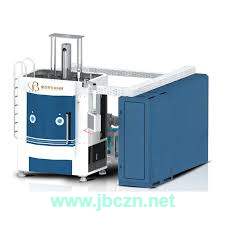
The selection of power supply technology fundamentally alters the performance of PVD magnetron sputtering coating equipment. DC magnetron sputtering has served industrial coating for decades, offering stable operation and high deposition rates. High Power Impulse Magnetron Sputtering (HiPIMS) represents a newer approach, generating intense plasma pulses that produce highly ionized metal flux. For manufacturers evaluating coating systems, the choice between these technologies carries significant implications for film quality and production efficiency. GOLD BLINGKING INTELLIGENT TECHNOLOGY (ZHE JIANG) CO., LTD., operating through jbczn, has accumulated thirty years of technical experience in both configurations. Yet the central question remains: what practical differences distinguish DC and HiPIMS modes in modern PVD magnetron sputtering coating equipment?
DC magnetron sputtering operates by applying a continuous, steady voltage to the cathode. This sustained discharge creates plasma that bombards the target material, ejecting atoms that travel to the substrate. The process produces stable deposition rates and enables straightforward control of film thickness. Its long-standing industrial use has established DC sputtering as the baseline for many decorative and functional coating applications. However, the plasma in DC mode contains relatively low fractions of ionized target material, limiting control over film density and adhesion.
HiPIMS introduces a fundamentally different plasma regime. Short, high-voltage pulses lasting tens to hundreds of microseconds generate extreme peak power densities thousands of times higher than DC operation. This pulse produces a dense plasma with a substantial fraction of ionized target species. The energetic ion bombardment during deposition creates films with remarkably refined microstructure, enhanced density, and superior adhesion. Hard coatings produced by HiPIMS routinely demonstrate hardness increases exceeding 65% compared to DC-deposited equivalents, as documented in tungsten-carbon systems.
The deposition rate represents a critical operational distinction between the two technologies. DC magnetron sputtering typically achieves higher average deposition rates due to its continuous power application. HiPIMS, despite its intense pulses, produces lower average deposition rates because the power is delivered intermittently. This difference directly affects production throughput. Manufacturers producing high volumes of components requiring moderate coating quality may favor DC's productivity. Those prioritizing superior film properties, particularly for demanding applications like cutting tools or critical components, may accept the lower rate in exchange for HiPIMS' performance advantages.
Coating density and microstructure reveal the most significant qualitative differences. DC-deposited films can exhibit columnar growth and occasional porosity due to limited ion energy at the growing surface. HiPIMS generates highly energetic ions that penetrate the film surface, promoting dense, smooth, and defect-free structures. The ion bombardment also enables excellent step coverage and uniform film thickness around complex geometries like cutting tool edges. The dense, droplet-free coatings produced by HiPIMS demonstrate superb adhesion and perfect homogeneity around tool geometries. This structural refinement translates directly into enhanced wear resistance and corrosion protection.
Adhesion to substrates constitutes another performance differentiator. Ion cleaning and etching cycles in HiPIMS systems effectively prepare substrate surfaces before deposition. The high ion energy also assists film growth, promoting strong chemical bonding at the coating-substrate interface. This adhesion improvement proves particularly valuable when coating challenging substrates or when applying thick films that might delaminate under load. DC systems generally produce adequate adhesion for many applications, but HiPIMS consistently delivers films with attachment strength that allows full exploitation of the coating's intrinsic hardness.
The operational flexibility between DC and HiPIMS represents a crucial consideration for equipment selection. Advanced systems now incorporate both power supplies, enabling operators to choose the appropriate mode for specific coating requirements. Hybrid processes combine HiPIMS for bond layers with DC for bulk deposition, leveraging the advantages of each technology. Multi-arc ion and magnetron sputtering integration further expands the process window. This versatility allows a single PVD magnetron sputtering coating equipment system to serve diverse applications, from wear-resistant tool coatings to decorative finishes.
The application context ultimately determines the optimal technology choice. Cutting tool manufacturers increasingly adopt HiPIMS for AlTiN and AlTiSiN coatings that extend tool life in high-speed machining. Decorative coating producers, prioritizing production speed and cost efficiency, often retain DC sputtering for its higher throughput. https://www.jbczn.net provides direct access to systems engineered to accommodate both configurations, reflecting the practical reality that many facilities require versatility rather than exclusivity. The comparison of DC sputtering and HiPIMS in PVD magnetron sputtering coating equipment reveals not a superior technology but a palette of capabilities, each suited to particular applications and production priorities.

 English
 Arabic
 French
 Spanish
 Portuguese
 Turkish
 Dutch
Dutch
 Italiano
 Russian
 Romaian
 Portuguese (Brazil)
 Greek
Greek
