


How a Brewery Tour Shuttle App Built on Zipprr's Uber Clone Keeps Craft Beer Trails Moving
Ask any craft brewery trail association what kills a good tasting weekend, and the answer is rarely the beer — it's the drive between stops. Nobody wants a designated driver skipping every flight, and nobody wants a bad story attached to their tourism district.
That tension has pushed brewery and distillery associations toward hop-on-hop-off shuttle loops, similar to what wine regions figured out years ago. The concept is simple: a fixed route connects six or eight tasting rooms, and riders get on and off at whichever stop matches their pace.
Brewery trails vary a lot in geography, and that variation matters for shuttle design. A downtown trail with breweries three blocks apart needs a completely different vehicle and route plan than a rural distillery trail where tasting rooms sit fifteen minutes apart down county roads, with nothing but farmland in between.
Making that loop actually work depends on the technology underneath it, not just the vehicles. A well-built brewery tour shuttle app needs live GPS tracking so riders standing outside a taproom can see exactly how many minutes until the next van arrives, instead of guessing and losing their spot at the bar.
Route optimization matters more here than in typical rideshare use, since stops are fixed but demand shifts by the hour — a distillery might get a rush at 2 p.m. and go quiet by 4, while the brewery next door sees the opposite pattern as dinner crowds start arriving.
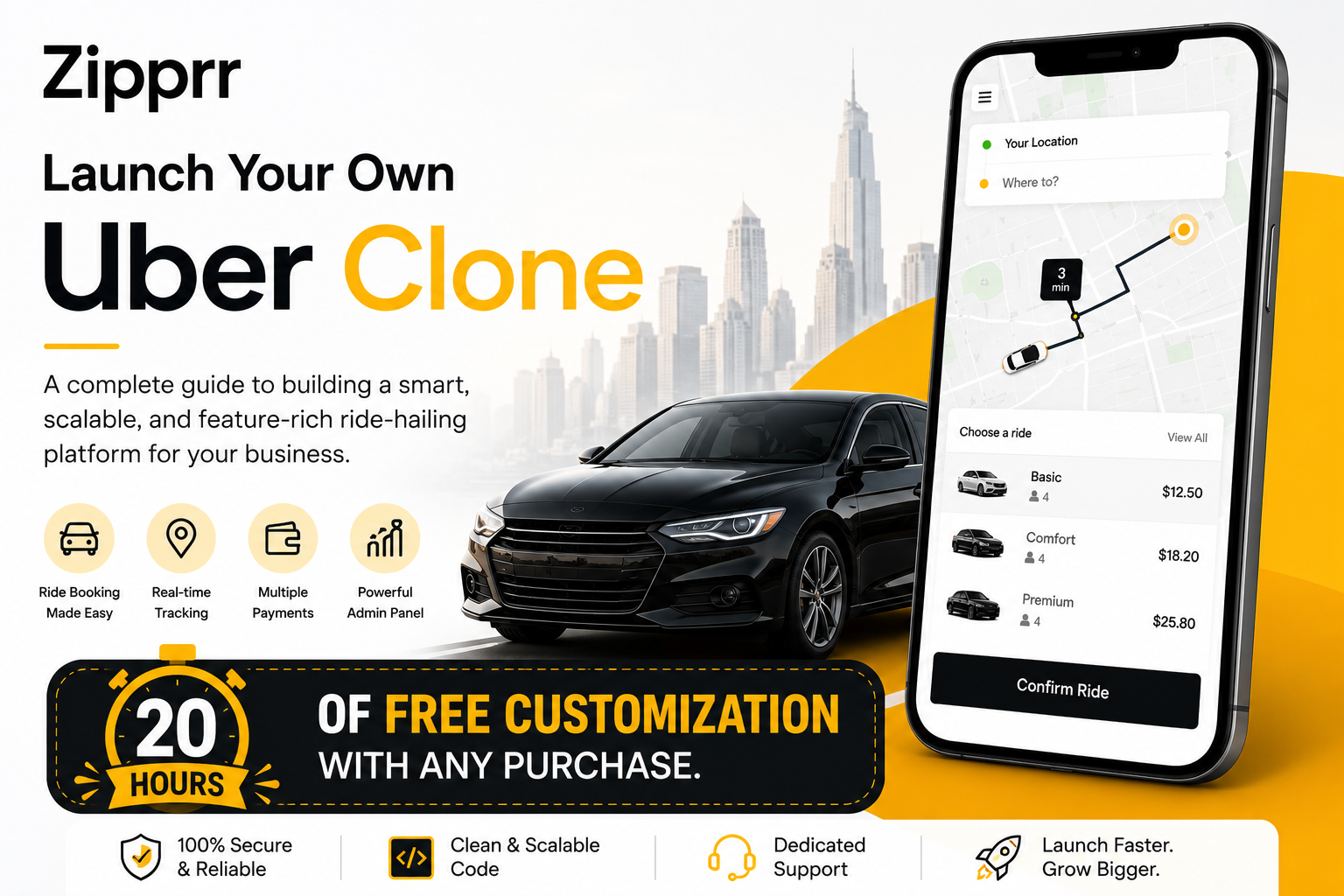
This is where Zipprr's dispatch architecture fits particularly well, since it was designed to handle both point-to-point rides and fixed-loop shuttle patterns from the same backend, letting operators switch modes for weekend tours versus quieter weekday demand.
Capacity planning has to flex across the day too. A Saturday afternoon trail run might need three vans circulating the loop, while a Tuesday evening tasting event for a private group needs just one. Systems that let operators dial capacity up or down without rebuilding the whole route from scratch save real staffing costs over a season.
A capable hop-on-hop-off brewery transport system also needs simple, low-friction booking — most riders are buying a day pass at check-in, not creating an account days in advance, so QR-code ticketing and instant pass validation matter as much as the routing engine underneath.
Payment integration is another piece breweries often underestimate. Bundling the shuttle pass with a tasting flight ticket, through the same checkout, removes a whole layer of friction and tends to lift ridership because guests aren't deciding twice whether the shuttle is worth it.
For distillery trails spread across rural counties, a distillery tour technology platform with offline-tolerant tracking matters too, since cell coverage between stops can be patchy and drivers still need dependable routing to stay on schedule.
Safety reporting is a quieter but real benefit: automated ride logs give tourism boards and insurers a clean record of who rode when through the brewery shuttle booking system, which matters if a trail wants to renew a liquor-liability policy at a reasonable rate.
There's a marketing angle here too that trail associations sometimes overlook. Promoting a shuttle loop explicitly as the 'designated driver' solution, rather than burying it in fine print, tends to draw a different crowd — groups who might have skipped the trail altogether rather than assign someone to stay sober for six tasting rooms.
Trail associations that adopt a proper craft beer trail shuttle system tend to see longer average visits and higher per-person spending, simply because nobody's cutting the day short to get someone home sober.
Consider a six-stop trail spanning a small college town, where each brewery used to independently offer its own free parking and hope visitors found their way between stops on foot or by calling a rideshare app one at a time. Combining that patchwork into one branded shuttle loop, run under a single schedule, turned what used to be six separate small operations into one coordinated experience visitors could actually plan a day around. Breweries on the trail reported guests staying through more stops on average once the shuttle removed the friction of figuring out transportation between each one, which matters directly for tasting-room revenue since most spending happens per visit rather than per trail pass sold.
Local tourism boards have started to notice too, often listing trail shuttle availability directly on visitor guides and highway welcome-center displays, since it's become a real factor in whether weekend travelers choose one brewery region over another when planning a short getaway.
Festival weekends, when several breweries on a trail run coordinated release events on the same Saturday, put the biggest strain on a shuttle loop. That's exactly when route flexibility and quick capacity scaling matter most, since demand can double compared to a normal weekend without much advance warning.
FAQ
Q: What makes a brewery tour shuttle app different from a regular rideshare app?
A: It needs to support fixed-loop routing with multiple hop-on-hop-off stops, live wait-time tracking, and day-pass ticketing instead of single point-to-point bookings.
Q: How do hop-on-hop-off brewery shuttles usually price rides?
A: Most sell a flat day pass rather than charging per ride, letting visitors hop between as many tasting rooms as they want within the pass period.
Q: Can one shuttle system serve both breweries and distilleries on the same route?
A: Yes, mixed trails combining breweries, distilleries, and cideries commonly run on one shuttle loop as long as the route and stop spacing make sense geographically.
Q: Does a brewery shuttle need real-time GPS tracking?
A: It significantly improves the rider experience, since guests waiting outside a taproom want to know exactly when the next shuttle arrives rather than guessing.
Q: How does demand shift throughout a brewery trail day?
A: Demand typically peaks at different times for different stops, with early-afternoon distillery visits and later brewery and dinner-hour crowds, so route timing needs flexibility.
Q: What happens if cell coverage is weak along a rural distillery trail?
A: Systems built with offline-tolerant tracking can continue routing and logging trips even with intermittent connectivity, syncing data once signal returns.
Q: Can shuttle passes be bundled with tasting tickets?
A: Yes, bundling shuttle access with a tasting flight at checkout is common and tends to increase shuttle ridership since guests decide once instead of twice.
Q: Do brewery trail shuttles help with liability insurance?
A: Automated ride logs create a documented record of rider transport, which many insurers view favorably when a trail renews its liquor-liability coverage.
CTA
Running a brewery or distillery trail? Find out how Zipprr's Uber Clone can be configured into a working hop-on-hop-off shuttle app for your tasting route.

 English
 Arabic
 French
 Portuguese
 Deutsch
 Turkish
 Dutch
Dutch
 Italiano
 Russian
 Romaian
 Portuguese (Brazil)
 Greek
Greek
