


Best Blood Pressure Monitor for Home Use in Ireland: What Should You Look For?
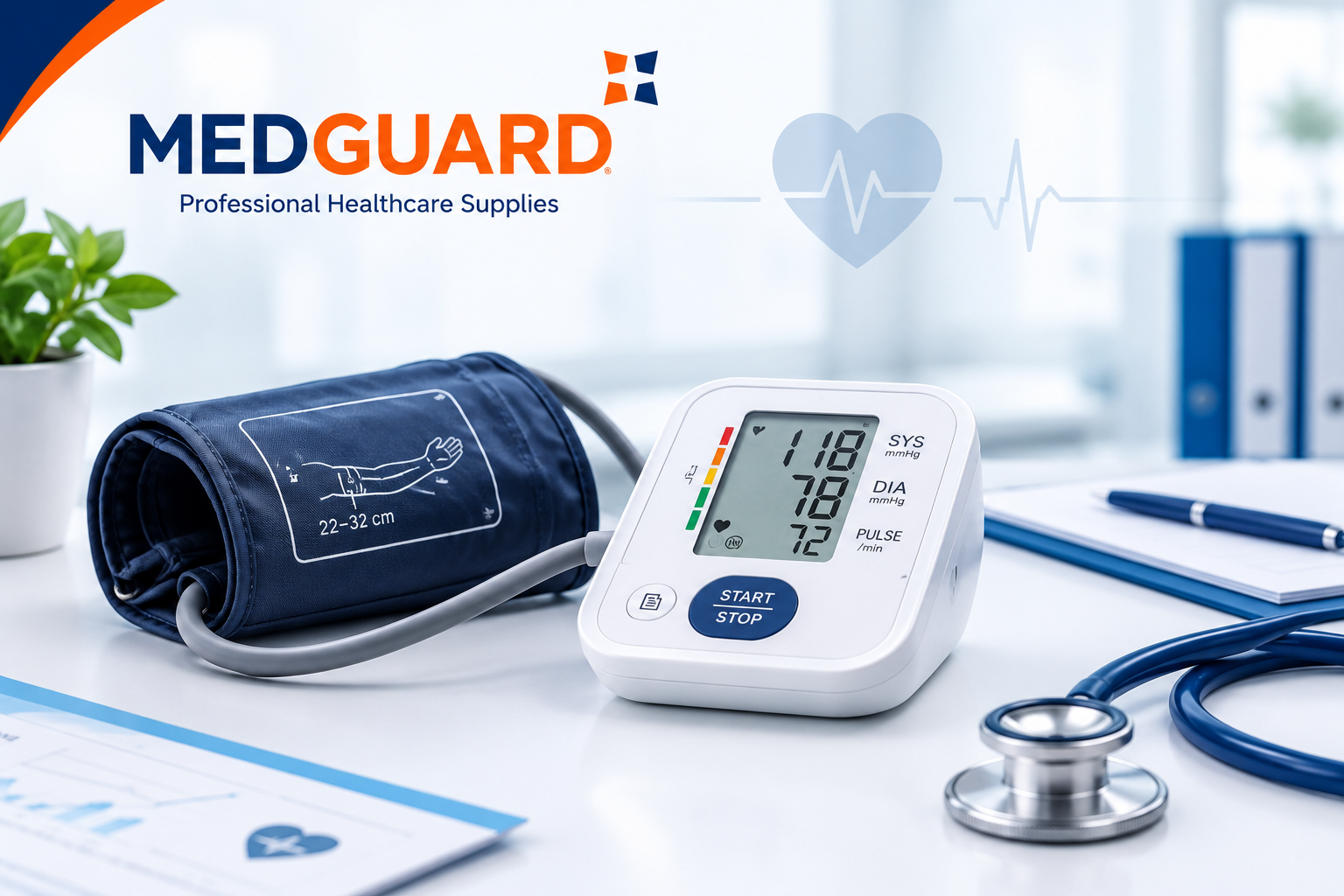
Choosing the best blood pressure monitor for home use is not simply about finding the most expensive model or the device with the most features. The right monitor should be reliable, suitable for the person using it and simple enough to operate consistently.
For people in Ireland who want to monitor their blood pressure at home, there are several important factors to consider before buying. From the type of monitor and cuff size to validation and ease of use, making the right choice can make home monitoring more practical.
What Makes a Good Home Blood Pressure Monitor?
A good home blood pressure monitor should provide reliable measurements when used correctly and should be appropriate for the person using it.
The Health Service Executive (HSE) recommends using properly tested equipment for home blood pressure monitoring and points to independently tested devices for home use.
However, accuracy is only one part of the decision. A monitor that is difficult to operate or has an unsuitable cuff may not be practical for everyday use.
1. Check Whether the Monitor Has Been Properly Tested
One of the first things to look for when comparing blood pressure monitors is evidence that the device has been properly tested or validated.
Independent testing can provide greater confidence that a monitor has been assessed for its measurement performance. This is more useful than choosing a device simply because it has positive reviews, a familiar appearance or a low price.
If you are buying a blood pressure monitor in Ireland, check the manufacturer's information and available validation details before making your decision.
2. Choose the Right Cuff Size
The cuff should be suitable for the user's arm circumference.
A cuff that does not fit correctly can affect the measurement, which is why cuff size should be checked before purchasing. Measure the upper arm and compare it with the manufacturer's stated cuff range.
If the monitor will be used by more than one person, check whether additional cuff sizes are available. This can be particularly useful for families sharing the same device.
3. Consider Upper-Arm vs Wrist Monitors
Home blood pressure monitors are available in different designs, including upper-arm and wrist models.
For many home users, an automatic upper-arm monitor can be a practical choice because it is straightforward to position and operate. Wrist monitors can be smaller and convenient for certain situations, but correct positioning is particularly important.
Rather than choosing based only on size or portability, consider which type you can use correctly and consistently.
4. Look for Simple Controls
A blood pressure monitor does not need to be complicated to be useful.
For regular home monitoring, features such as a large display, automatic inflation and simple one-button operation can make the device easier to use.
This can be particularly helpful for older adults or anyone who may find complicated digital controls difficult to manage.
The best blood pressure monitor for home use is often the one that fits naturally into your routine.
5. Think About Memory and Record Keeping
If you need to monitor your blood pressure over several days or weeks, keeping track of previous readings can be useful.
Some digital blood pressure monitors include built-in memory, allowing you to review earlier results. Certain models can also store readings separately for different users.
These features can make monitoring more convenient, although they are not essential for everyone. A simple written blood pressure diary can also be effective.
If your GP has asked you to monitor your blood pressure over a set period, follow their instructions for recording your readings.
6. Consider Who Will Be Using the Monitor
The ideal blood pressure monitor can vary depending on the user.
For an older relative, a large display and simple controls may be priorities. Someone who travels frequently may prefer a compact design. A household with several users may benefit from multiple memory profiles and different cuff options.
Think about the person using the device rather than simply choosing the model with the highest number of features.
7. Check the Manufacturer's Instructions
Clear instructions are important for any medical device used at home.
Before purchasing, consider whether the monitor comes with straightforward guidance on positioning the cuff, taking measurements, cleaning the equipment and replacing batteries or accessories.
Using the monitor correctly is essential. The HSE advises sitting with your back supported, keeping your legs uncrossed and supporting your arm at heart level when taking a blood pressure measurement.
8. Don't Choose Based on Price Alone
There is no need to assume that the most expensive blood pressure monitor is automatically the best option.
A higher price may reflect additional features that you do not actually need. At the same time, choosing the cheapest available device without checking its suitability, cuff size or testing information may not be the best approach.
Instead, compare monitors based on the features that matter for your circumstances.
Where to Buy a Blood Pressure Monitor in Ireland
When buying healthcare equipment, it can be useful to choose an established healthcare supplier that provides clear product information and appropriate specifications.
Medguard Healthcare offers healthcare products for home and professional settings, including equipment designed to support everyday health monitoring.
Before ordering a blood pressure monitor online, check the product details carefully. Pay particular attention to cuff size, monitor type, available features and the manufacturer's information.
Final Thoughts
The best blood pressure monitor for home use in Ireland is not necessarily the newest or most expensive model. It should be a suitable, reliable device that you can operate correctly and use consistently.
Before buying, check whether the monitor has been properly tested, confirm the cuff size, consider whether an upper-arm or wrist model suits you, and think about which features you will genuinely use.
If you are unsure which type of monitor is appropriate for your circumstances, speak with your GP, pharmacist or another healthcare professional. A suitable monitor can make home blood pressure monitoring easier while providing useful information to support conversations about your health.
Original Source :https://pdplex.blog/buying-a-blood-pressure-monitor-in-ireland-7-things-to-check-before-you-choose/

 English
 Arabic
 French
 Spanish
 Portuguese
 Turkish
 Dutch
Dutch
 Italiano
 Russian
 Romaian
 Portuguese (Brazil)
 Greek
Greek
