


Machine Learning for Blockchain Security: Building Smarter Web3 Defense Systems in 2026
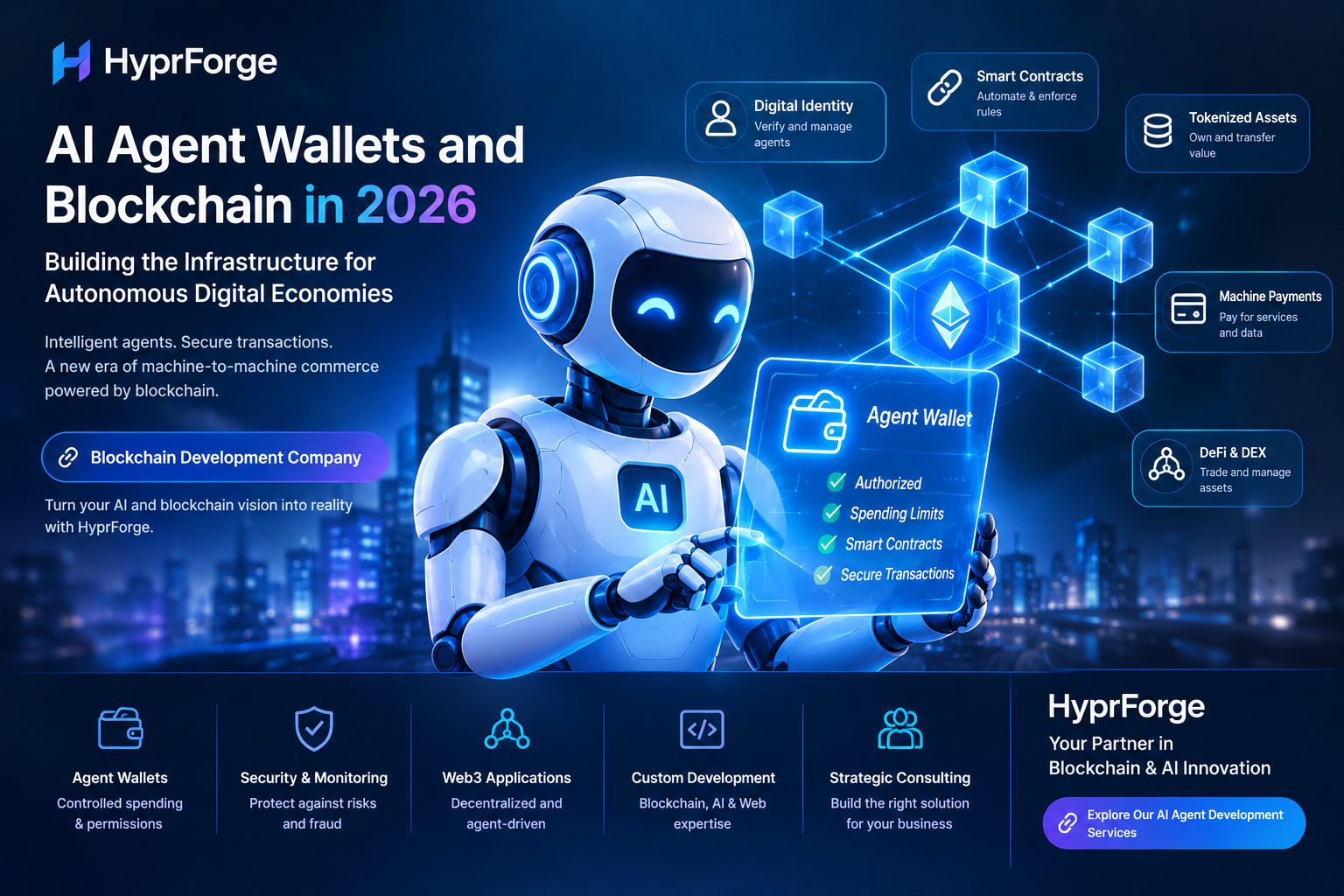
Blockchain technology has introduced a new model for digital ownership, decentralized finance, smart contracts, and peer-to-peer transactions. But as blockchain ecosystems become more valuable, they are also becoming attractive targets for sophisticated attacks.
The challenge is no longer simply securing a blockchain network. Businesses must protect wallets, smart contracts, decentralized applications, bridges, exchanges, APIs, user accounts, and autonomous systems operating across multiple networks.
This is where machine learning for blockchain security is becoming an important technology trend in 2026.
Machine learning can process large quantities of blockchain data, identify behavioral patterns, detect anomalies, and help security teams prioritize potential threats. When combined with blockchain's transparent transaction infrastructure, it creates the foundation for intelligent Web3 defense systems.
For businesses entering this space, partnering with a specialized Blockchain Development Company can help create security-focused blockchain solutions that combine machine learning, smart contracts, analytics, and Web3 infrastructure.
Why Blockchain Security Needs Machine Learning
Blockchain transactions are transparent and cryptographically secured, but the applications built around blockchain can still contain vulnerabilities.
Security risks can appear in:
-
Smart contracts
-
Wallet infrastructure
-
Cross-chain bridges
-
Decentralized exchanges
-
APIs
-
Frontend applications
-
Governance systems
-
Oracles
-
AI agents
-
Private-key management
Traditional security systems often depend on predefined rules.
For example:
If transaction value exceeds a threshold → generate an alert.
Machine learning can analyze multiple variables simultaneously and identify unusual behavior that may not match a single predefined rule.
This makes ML particularly useful for behavioral security.
What Is ML-Powered Blockchain Security?
ML-powered blockchain security uses machine-learning models to analyze blockchain activity and identify suspicious patterns.
A typical architecture can look like:
Blockchain Data → Data Processing → ML Model → Risk Analysis → Alert/Action
The system can continuously analyze information such as:
-
Wallet activity
-
Transaction frequency
-
Token transfers
-
Smart-contract calls
-
Address relationships
-
Liquidity movements
-
Gas behavior
-
Historical activity
The objective is to identify patterns that may indicate fraud, exploitation, manipulation, or abnormal behavior.
1. Intelligent Wallet Risk Scoring
Wallet addresses are central to Web3 ecosystems.
However, simply knowing a wallet's balance is not enough to understand its risk.
Machine learning can analyze historical wallet behavior and generate risk indicators.
For example, a security platform might evaluate:
-
Transaction frequency
-
Number of interacted contracts
-
Asset movement patterns
-
Newly created relationships
-
Unusual transaction timing
-
Changes from historical behavior
The output can be used to prioritize investigation.
A blockchain developer company can integrate wallet intelligence into exchanges, payment platforms, portfolio applications, and Web3 security products.
2. Detecting Suspicious Transaction Patterns
A single transaction may appear normal.
A sequence of transactions may tell a completely different story.
Machine learning can examine transaction sequences and identify behavioral patterns.
Potential use cases include:
-
Rapid asset movement
-
Unusual wallet clustering
-
Repeated contract interactions
-
Abnormal token transfers
-
Sudden changes in transaction volume
-
Coordinated activity
This can help security teams detect suspicious behavior earlier.
A Blockchain Development Agency can build real-time monitoring platforms that combine on-chain data with ML-based risk analysis.
3. Smart Contract Threat Detection
Smart contracts are powerful because they automatically execute predefined logic.
However, a vulnerability can potentially result in significant losses.
Machine learning can assist with smart-contract security by analyzing code patterns and transaction behavior.
Potential applications include:
-
Code vulnerability classification
-
Suspicious function detection
-
Contract behavior monitoring
-
Exploit-pattern recognition
-
Transaction anomaly detection
A blockchain smart contract development agency can incorporate ML-powered analysis into development and post-deployment monitoring.
Machine learning should complement professional audits and formal security testing rather than replace them.
4. AI-Powered DeFi Security
Decentralized finance has created highly interconnected ecosystems.
A single protocol can interact with multiple tokens, liquidity pools, lending markets, and external contracts.
This complexity creates an environment where traditional rule-based monitoring can become difficult.
Machine learning can monitor:
-
Liquidity changes
-
Borrowing patterns
-
Collateral movements
-
Token flows
-
Trading activity
-
Protocol interactions
A Blockchain Consulting Company can help businesses identify which DeFi activities should be continuously monitored and which risk signals are most relevant to their platform.
5. Protecting Decentralized Exchanges
DEX platforms process large amounts of financial activity.
A Decentralized Exchange Development Company can integrate ML-based security systems into DEX infrastructure.
Potential capabilities include:
-
Suspicious wallet detection
-
Abnormal trading detection
-
Liquidity manipulation alerts
-
Token risk scoring
-
Transaction monitoring
-
Automated security notifications
A Decentralized Exchange Software Development Company can develop these capabilities as modular components that connect with existing exchange infrastructure.
A modern dex development company can therefore combine trading functionality with intelligent security and analytics.
6. Machine Learning for Cryptocurrency Security
The growth of cryptocurrency applications creates an increasing need for intelligent monitoring.
Traditional cryptocurrency development focuses on creating tokens, wallets, payment systems, exchanges, and asset-management platforms.
Machine learning can add another layer:
Asset infrastructure + behavioral intelligence + security monitoring
For example, an intelligent cryptocurrency platform could continuously analyze transactions and generate risk alerts when activity significantly differs from established patterns.
This can improve visibility for users and platform operators.
7. Cross-Chain Security
Blockchain ecosystems are becoming increasingly interconnected.
Users and assets can move across different networks through bridges and interoperability systems.
This creates additional security complexity.
A machine-learning system can analyze cross-chain activity to identify:
-
Unusual transfer patterns
-
Suspicious address relationships
-
Abnormal bridge activity
-
Rapid asset movement
-
Unexpected transaction sequences
For a blockchain technology development company, cross-chain intelligence can become an important component of future security architecture.
8. AI Agents Create New Security Challenges
One of the newest developments in Web3 is the use of autonomous AI agents.
These agents can potentially interact with wallets, smart contracts, APIs, and blockchain networks.
This creates a new security question:
What happens when software can make blockchain transactions autonomously?
The answer requires carefully designed permissions.
AI agents should not automatically receive unrestricted access to valuable assets.
Instead, developers can use:
-
Spending limits
-
Contract allowlists
-
Role-based permissions
-
Transaction simulation
-
Human approval
-
Time-limited authorization
-
Emergency shutdown controls
Machine learning can also monitor agent behavior and identify unusual activity.
This creates a layered security architecture:
AI Agent → Permission Layer → ML Monitoring → Smart Contract → Blockchain
9. Predictive Threat Intelligence
One of the biggest advantages of machine learning is the ability to analyze historical data to identify patterns.
Blockchain security systems can potentially use this capability to create predictive risk models.
Instead of waiting for an incident, organizations can monitor signals associated with increasing risk.
Potential applications include:
-
Threat scoring
-
Wallet behavior prediction
-
Protocol risk monitoring
-
Transaction risk estimation
-
Attack-pattern recognition
Predictions are not guarantees. A machine-learning model can produce false positives or miss emerging threats.
Therefore, predictive intelligence should support security teams rather than replace human expertise.
10. Web3 Security Dashboards
Security intelligence is only useful if users can understand it.
A Web3 Development Agency can build dashboards that present machine-learning insights through intuitive interfaces.
A security dashboard could display:
-
Risk scores
-
Suspicious wallets
-
Recent alerts
-
Contract activity
-
Transaction anomalies
-
Network activity
-
Security trends
A Web3 Development Company can combine these capabilities with wallet connectivity, blockchain analytics, smart contracts, and decentralized identity.
The Role of Web Development in Blockchain Security
Security systems require accessible interfaces for administrators, analysts, and users.
A Web Development Agency can create dashboards that transform complex blockchain security data into understandable visual information.
A Web Development Company can also build:
-
Real-time alert systems
-
Security dashboards
-
Analytics interfaces
-
Risk-reporting portals
-
Administrative consoles
-
AI-powered investigation tools
The goal is to make sophisticated security intelligence usable by both technical and business teams.
Building a Secure ML + Blockchain Architecture
Organizations developing ML-powered blockchain applications should think about security from the beginning.
A strong architecture can include:
Data Layer
Collect and process blockchain activity.
Machine Learning Layer
Analyze patterns and generate risk indicators.
Policy Layer
Determine which actions are permitted.
Smart Contract Layer
Execute deterministic blockchain operations.
Monitoring Layer
Record and monitor system behavior.
Human Oversight
Review high-risk actions.
This separation helps prevent a machine-learning model from becoming an uncontrolled execution authority.
Why Businesses Need a Specialized Development Partner
Building secure blockchain infrastructure requires expertise across multiple disciplines.
A Blockchain Development Company needs to understand:
-
Blockchain architecture
-
Smart contracts
-
Machine learning
-
Web3 security
-
Wallet infrastructure
-
Data engineering
-
API integration
-
AI agents
-
User experience
This is why businesses increasingly need partners capable of working across the entire technology stack.
A Blockchain Consulting Company can help organizations identify appropriate use cases, define security requirements, choose suitable blockchain infrastructure, and establish an implementation roadmap.
HyprForge and the Future of Blockchain Security
HyprForge can help businesses explore the convergence of machine learning and blockchain to create intelligent security systems.
Potential solutions can combine:
-
ML-powered analytics
-
Blockchain monitoring
-
Smart-contract infrastructure
-
AI agents
-
Wallet security
-
Risk scoring
-
Web3 applications
-
Real-time dashboards
The objective is to build systems where intelligence supports security without compromising user control.
The Future of Web3 Security
Blockchain security is moving toward a more intelligent model.
The first generation of security systems focused heavily on rules and manual investigation.
The next generation will increasingly combine:
Blockchain transparency + Machine learning + AI automation + Policy-based execution
This can create security systems that continuously observe blockchain ecosystems and help organizations respond to unusual activity faster.
However, the most effective approach will not be complete automation.
Instead, the future is likely to focus on controlled intelligence.
Machine learning identifies patterns.
Security systems evaluate risk.
Policies determine permitted actions.
Smart contracts enforce rules.
Humans retain control over critical decisions.
Conclusion
Machine learning is becoming an important component of the next generation of blockchain security.
From wallet risk scoring and suspicious transaction detection to smart-contract monitoring, DeFi security, DEX protection, cross-chain intelligence, and AI-agent monitoring, ML can help organizations analyze blockchain ecosystems at a scale that would be difficult to manage manually.
The combination of machine learning and blockchain does not eliminate security risks. Instead, it provides new tools for identifying, understanding, and responding to those risks.
For businesses building Web3 products in 2026, intelligent security should be treated as part of the core architecture rather than an afterthought.
HyprForge can help organizations explore this emerging intersection and develop blockchain solutions where machine intelligence, decentralized infrastructure, smart contracts, and security work together to support the next generation of Web3 applications.

 English
 Arabic
 French
 Spanish
 Portuguese
 Deutsch
 Turkish
 Dutch
Dutch
 Italiano
 Romaian
 Portuguese (Brazil)
 Greek
Greek
