


Garden Walls: A Practical Guide to Planning, Building, and Maintaining Them
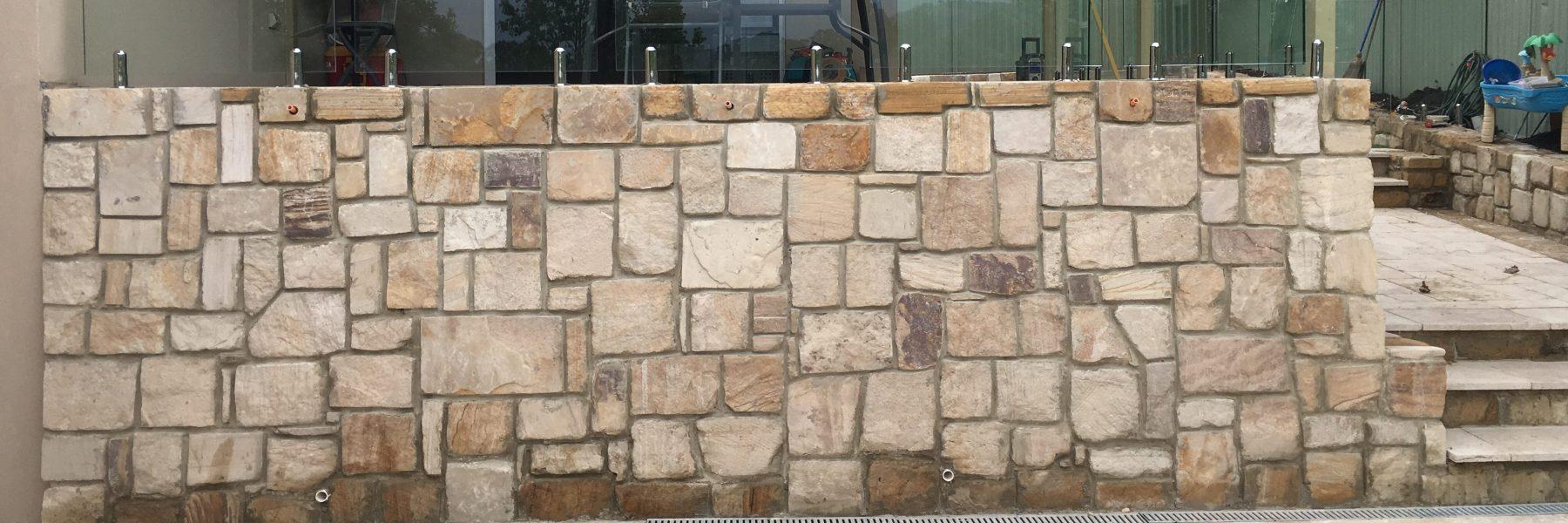
A well-designed garden wall can do much more than define the edge of a planting bed. It can separate different areas of a yard, manage changes in elevation, improve drainage, create attractive borders, and give an outdoor space a more finished appearance.
For homeowners, contractors, landscapers, and property managers, the challenge is choosing a wall that suits the site rather than simply selecting a material that looks good. This Page ground conditions, wall height, drainage, nearby structures, soil pressure, and local requirements can all influence the right approach.
Whether you are planning a small garden border or a more substantial landscape structure, understanding the basics can help you avoid expensive problems later.
What Is a Garden Wall?
A garden wall is a low landscape wall used to define, divide, support, or enhance an outdoor area. Depending on its purpose and height, it may be purely decorative or it may need to withstand soil pressure.
Common applications include:
- Creating raised garden beds
- Defining lawn and planting areas
- Separating different landscape levels
- Framing pathways and patios
- Creating seating or feature areas
- Supporting small changes in ground elevation
- Improving the overall structure of a landscape
The important distinction is whether the wall is simply an edging feature or is functioning as a retaining structure. Once a wall has to hold back soil, water, or significant loads, engineering and construction considerations become much more important.
Choosing the Right Garden Wall Material
There is no single material that works for every property. The best choice depends on the appearance you want, the site conditions, expected lifespan, maintenance requirements, and available budget.
Concrete Blocks
Concrete blocks are widely used for landscape walls because they are practical, consistent, and relatively easy to work with. They can create clean lines and are suitable for many contemporary landscape designs.
For walls supporting soil, proper footing, drainage, and construction technique are essential. A visually attractive block wall can still fail if water is allowed to build up behind it.
Natural Stone
Stone provides a more organic appearance and can work particularly well with gardens designed around native plants, natural landscaping, or traditional architecture.
However, stone walls require careful consideration of the individual pieces, foundation, and method of construction. The appearance may be informal, but the structure still needs to be stable.
Brick
Brick can be a strong choice where the wall needs to complement an existing home or commercial property. It works particularly well around courtyards, pathways, and formal gardens.
Matching the existing brickwork can also help a new wall look like an intentional part of the property rather than an addition.
Timber
Timber can create a warm and natural appearance and is sometimes suitable for garden edging or smaller landscape structures. Its lifespan depends heavily on the timber species, treatment, moisture exposure, and installation method.
For areas with persistent moisture or poor drainage, another material may provide better long-term performance.
Drainage Is One of the Most Important Considerations
One of the most common mistakes with landscape walls is focusing on the visible front of the wall while overlooking what happens behind it.
Water trapped behind a retaining wall increases pressure on the structure. Over time, poor drainage can contribute to movement, cracking, leaning, or other failures.
Depending on the design and site, drainage may involve free-draining aggregate, drainage pipe, appropriate outlets, and suitable grading.
The exact solution should be based on the site rather than copied from another project. Soil type, rainfall, slope, wall height, and surrounding surfaces can all affect how water needs to be managed.
Start With the Ground, Not the Wall
Before selecting materials, look carefully at the proposed location.
Ask a few basic questions:
- Is the ground level or sloping?
- What type of soil is present?
- Does water naturally collect in the area?
- Are there trees or large roots nearby?
- Will vehicles or structures place additional loads behind the wall?
- Are underground services located in the work area?
- Will the wall need to retain soil?
These questions can reveal potential problems before construction begins.
For contractors, taking accurate measurements and photographs during the initial site assessment can also make estimating and planning considerably easier.
When Does a Garden Wall Become a Retaining Wall?
This is an important question because the construction requirements can change significantly.
A low decorative border that does not hold back soil may be relatively straightforward. A wall that creates a raised section of ground, however, is performing a structural function.
Height alone is not the only consideration. The type of soil, slope, surcharge loads, groundwater, foundation conditions, and proximity to buildings can all affect structural requirements.
Local building rules and planning requirements also vary between jurisdictions. Before starting substantial work, check the requirements that apply to your location and project.
When the consequences of failure could affect people, buildings, neighbouring property, or public areas, getting appropriate professional advice is a sensible investment.
A Practical Garden Wall Construction Process
While individual projects vary, a professional installation generally follows a logical sequence.
1. Site Assessment
The area is measured and inspected for slope, access, drainage, soil conditions, and nearby structures.
2. Design and Material Selection
The wall's purpose, appearance, dimensions, and expected loads are considered before materials are ordered.
3. Ground Preparation
Unstable soil and organic material may need to be removed. A suitable foundation or base is then prepared according to the wall design.
4. Wall Installation
Blocks, stone, brick, timber, or another selected material is installed carefully, with attention to alignment, stability, and connection between courses or sections.
5. Drainage Installation
Where the wall retains soil, appropriate drainage measures are incorporated behind the structure rather than added as an afterthought.
6. Backfilling and Finishing
Suitable material is placed behind the wall, compacted appropriately, and the surrounding landscape is finished.
A careful installation may take longer than simply stacking materials, but the additional attention can significantly improve the wall's durability.
Common Garden Wall Mistakes to Avoid
Many wall problems are caused by decisions made before construction begins.
One mistake is building directly on poorly prepared ground. Another is using unsuitable backfill or failing to provide a way for water to escape.
It is also easy to underestimate the effect of additional weight behind a wall. A driveway, shed, large planter, swimming pool, or heavily used area near the top of a retaining structure can create loads that need to be considered during design.
Finally, do not assume that a small-looking wall is automatically a simple project. Site conditions can make even relatively modest structures challenging.
Maintaining a Garden Wall
Once installed, garden walls generally require less maintenance than many other landscape features, but they should still be inspected periodically.
Look for:
- New cracks or gaps
- Leaning or movement
- Bulging sections
- Erosion around the base
- Block or stone displacement
- Blocked drainage outlets
- Persistent water accumulation
- Soil washing away behind the wall
Early signs of movement are worth investigating. Addressing drainage or ground problems early is usually easier and less expensive than rebuilding a failed wall.
Frequently Asked Questions
Are garden walls only decorative?
No. Some garden walls are decorative borders, while others create different landscape levels or retain soil. The intended function determines how the wall should be designed and constructed.
Do all garden walls need drainage?
Not necessarily. A simple decorative edging wall may not require the same drainage system as a retaining wall. If a structure holds back soil, however, water management becomes an important part of the design.
What is the best material for a garden wall?
There is no universal answer. Concrete blocks, stone, brick, and timber can all work in appropriate situations. The best material depends on the site, design, durability requirements, maintenance expectations, and budget.
Can I build a garden wall myself?
Small decorative walls may be suitable for experienced DIY homeowners. More substantial walls, particularly those retaining soil or located near buildings and property boundaries, may require professional design or construction.
Final Thoughts
A successful garden wall starts with understanding the site, not simply choosing attractive materials. Good foundations, sensible drainage, suitable materials, accurate construction, and regular inspections all contribute to a structure that remains useful and attractive for years.
If you are planning a new garden wall, take time to define what you need the wall to accomplish before requesting quotes or purchasing materials. A clear understanding of the site's conditions and the wall's purpose will help you compare options more effectively and avoid costly surprises.
For larger or load-bearing projects, working with an experienced landscaping or retaining-wall professional can also provide valuable peace of mind and help ensure the finished structure is appropriate for its environment.

 English
 Arabic
 French
 Spanish
 Portuguese
 Deutsch
 Turkish
 Dutch
Dutch
 Italiano
 Romaian
 Portuguese (Brazil)
 Greek
Greek
