


Red Sea Diving: The Complete 2026 Guide to Egypt's Underwater Paradise
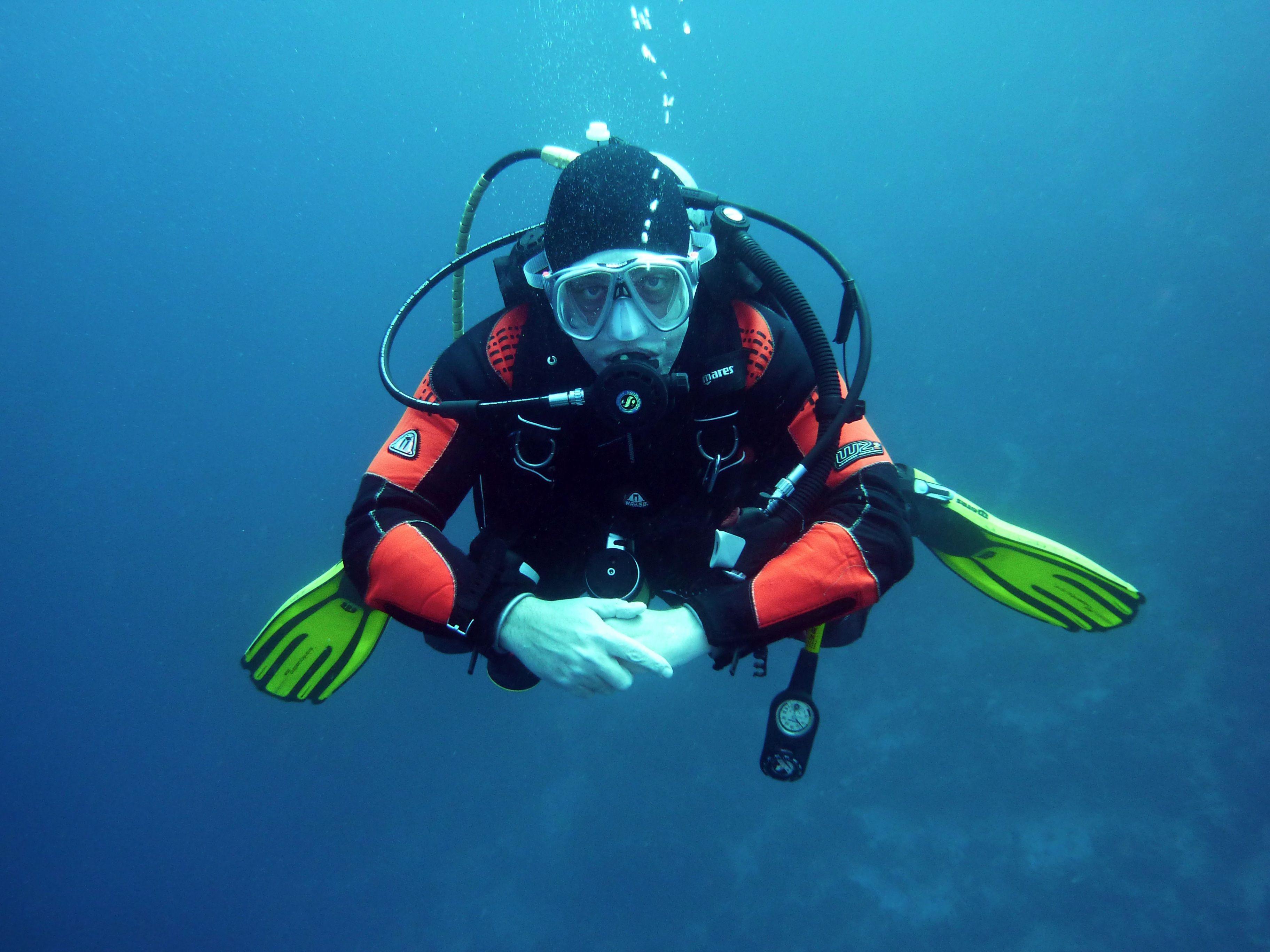
With over 1,000 species of fish, 200+ coral species, year-round warm waters (22-30°C), and legendary wrecks like the SS Thistlegorm, the Red Sea offers world-class diving just 5 hours from major European cities. Multiple destinations, hundreds of dive sites, and options from budget shore diving to luxury liveaboards create endless possibilities.
This comprehensive guide synthesizes insights from 30+ years of Red Sea diving operations and current marine life data to help you plan your perfect Red Sea diving trip. You'll discover how each destination compares, month-by-month conditions and marine life calendars, must-dive sites with difficulty ratings, and complete cost comparisons. One prep item to handle before anything else: if you dive in glasses or contacts, a scuba diving mask with corrective lenses takes two to four weeks to fit, so order it before you book.
Why the Red Sea is a World-Class Diving Destination
The Red Sea consistently ranks among the world's premier diving destinations for compelling reasons. Water temperatures between 22-30°C year-round mean comfortable diving conditions, while visibility regularly reaches 20-40 meters, dramatically exceeding Caribbean averages of 15-25 meters.
Marine biodiversity is extraordinary. Over 1,000 fish species inhabit these waters alongside more than 200 coral species, with approximately 20% endemic (found nowhere else on Earth). Coral coverage in protected areas like Ras Mohammed reaches 70-80%, compared to 10-40% in many degraded Caribbean reefs.
What distinguishes the Red Sea is its remarkable combination of dive experiences. Within a single week, you can explore pristine coral gardens, descend dramatic vertical walls plunging 400+ meters, penetrate WWII wrecks, and encounter pelagic species including oceanic whitetip sharks, hammerheads, and manta rays.
Accessibility sets the Red Sea apart. Direct flights from major European cities reach Sharm el Sheikh or Hurghada in 4-6 hours. You can leave work Friday afternoon and complete your first dive Saturday morning.
Red Sea Diving for Different Experience Levels
Beginners: Calm, protected sites like Hurghada's Giftun Island feature depths of 5-12 meters with minimal current, allowing new divers to build confidence. Red Sea dive centers process over 50,000 certifications annually with 95%+ success rates. Budget $350-500 for Open Water courses (30-50% less than the US, Australia, or UK).
Intermediate Divers: Hundreds of sites in the 12-30 meter range provide perfect conditions for building experience. You'll encounter moderate currents, practice wreck penetration in safe environments, and navigate swim-throughs while developing deep diving skills. Your dive computer becomes essential. Many divers find that investing in custom prescription dive masks transforms their comfort and confidence, especially when monitoring depth and no-decompression limits becomes crucial.
Advanced Divers: Deep wrecks like the Thistlegorm at 30 meters challenge your buoyancy control and gas management. The Brothers Islands, Daedalus Reef, and Rocky Island represent the pinnacle: remote offshore reefs with dramatic topography, reliable pelagic encounters, and conditions that reward advanced skills with unforgettable experiences.
Choosing Your Red Sea Diving Destination
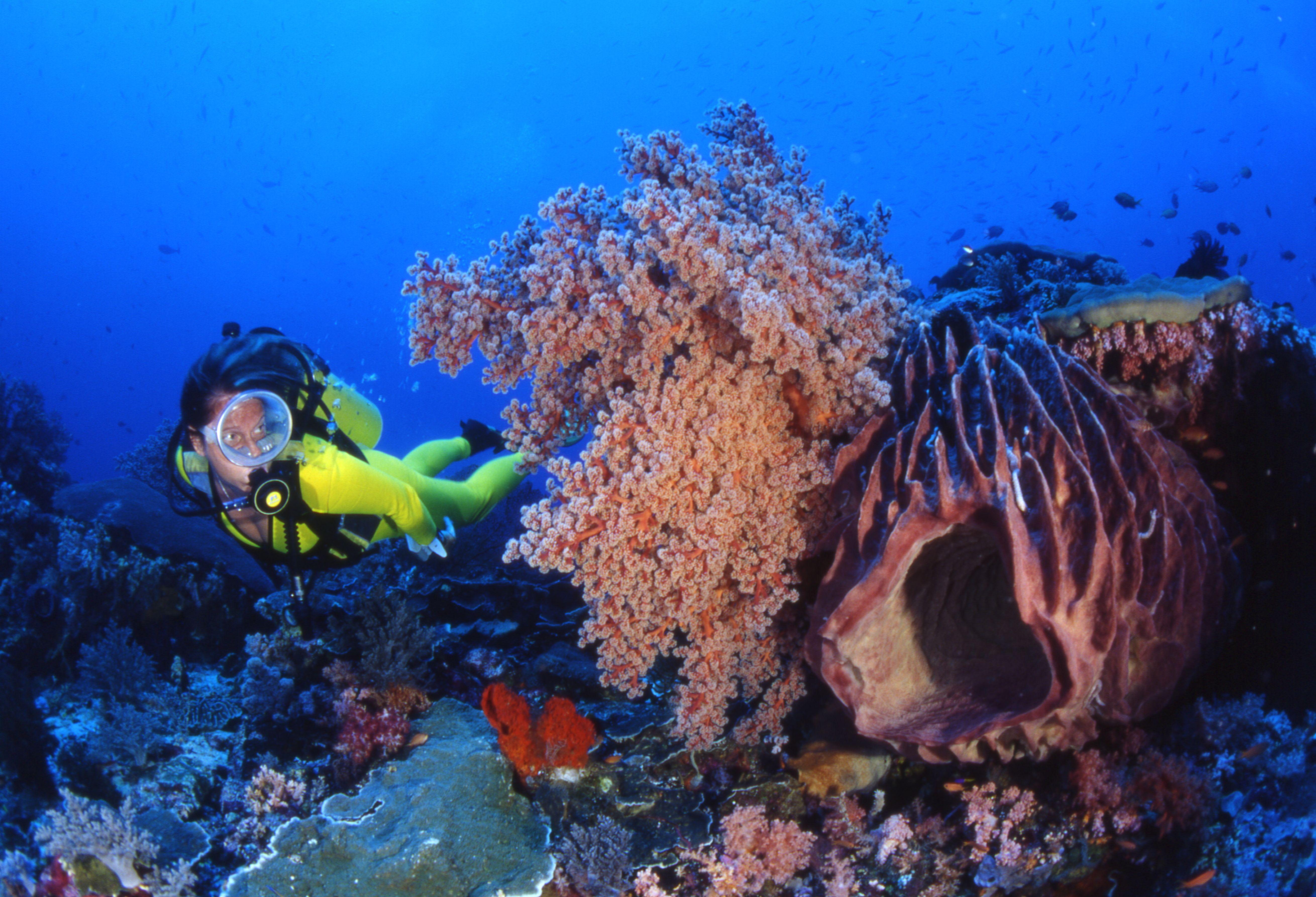
Sharm el Sheikh: Wrecks, Walls & Ras Mohammed
Best for: Wreck diving enthusiasts, wall diving, famous dive sites, developed resort infrastructure with nightlife.
Sharm dominates northern Red Sea diving, providing access to the Straits of Tiran where strong currents create walls covered in soft corals and frequented by sharks. Ras Mohammed National Park offers vertical walls beginning at 15 meters and plummeting beyond recreational limits.
The SS Thistlegorm, one of the world's top five wreck dives, lies 30 meters down with military cargo still visible from its 1941 torpedoing. Day boats reach the wreck in 2-3 hours.
Costs: $40-60 per day for two-tank dives, $150-220 for 5-day packages. Week-long resort + diving packages: $800-1,400.
Hurghada & Makadi Bay: Convenience & Value
Best for: First-time Red Sea divers, families, convenient access, budget-conscious divers, combining beach vacation with diving.
Hurghada serves as the Red Sea's most accessible destination with direct international flights. Giftun Island protected area features healthy coral gardens at 8-18 meters ideal for all levels. Abu Ramada (The Aquarium) offers dense fish populations and excellent macro photography at 10-20 meters.
Costs: $35-50 for two dives, $130-200 for 5-day packages. Week-long resort + diving: $600-1,100 (the Red Sea's best budget option).
Marsa Alam & Southern Red Sea: Pristine Reefs & Pelagics
Best for: Experienced divers (Advanced certification recommended), pelagic encounters, uncrowded pristine sites, underwater photographers.
Marsa Alam represents the Red Sea's frontier where marine life thrives in near-pristine conditions. Elphinstone Reef stands as the crown jewel: an offshore pinnacle attracting oceanic whitetip sharks year-round (80%+ encounter rates May-October). Hammerhead sharks patrol during June-September.
Daedalus Reef offers similar encounters, with hammerhead schools reaching 20-30 individuals during peak season. Many resorts sit directly on quality house reefs, making shore diving viable.
Costs: $50-70 for two dives. Week-long packages: $1,000-1,800.
Dahab: Shore Diving Paradise
Best for: Budget-conscious divers, shore diving enthusiasts, extended stays, technical diving training, laid-back atmosphere.
Dahab operates differently. World-class shore diving accessible via short walks from beachfront dive centers. The Blue Hole, a natural sinkhole, drops from 6 meters to 100+ meters. The Canyon offers spectacular scenery with swim-throughs at 20-30 meters creating exceptional photo opportunities.
Shore diving eliminates boat costs, reducing per-dive expenses to $10-20. A month-long stay with 40-50 dives costs what one week costs at premium destinations.
Costs: $10-20 per dive with guide. Accommodation: $10-40/night. Week-long packages start around $300-400.
Quick Decision Matrix
Choose Sharm if you want famous wrecks, dramatic walls, developed infrastructure, and hold Advanced certification.
Choose Hurghada if you're making your first Red Sea trip, traveling with non-divers, or want convenience and value.
Choose Marsa Alam if you hold Advanced certification, prioritize pelagic encounters, and want uncrowded pristine diving.
Choose Dahab if you have a tight budget, love shore diving, plan extended stays, or pursue technical training.
When to Dive the Red Sea: Seasonal Guide
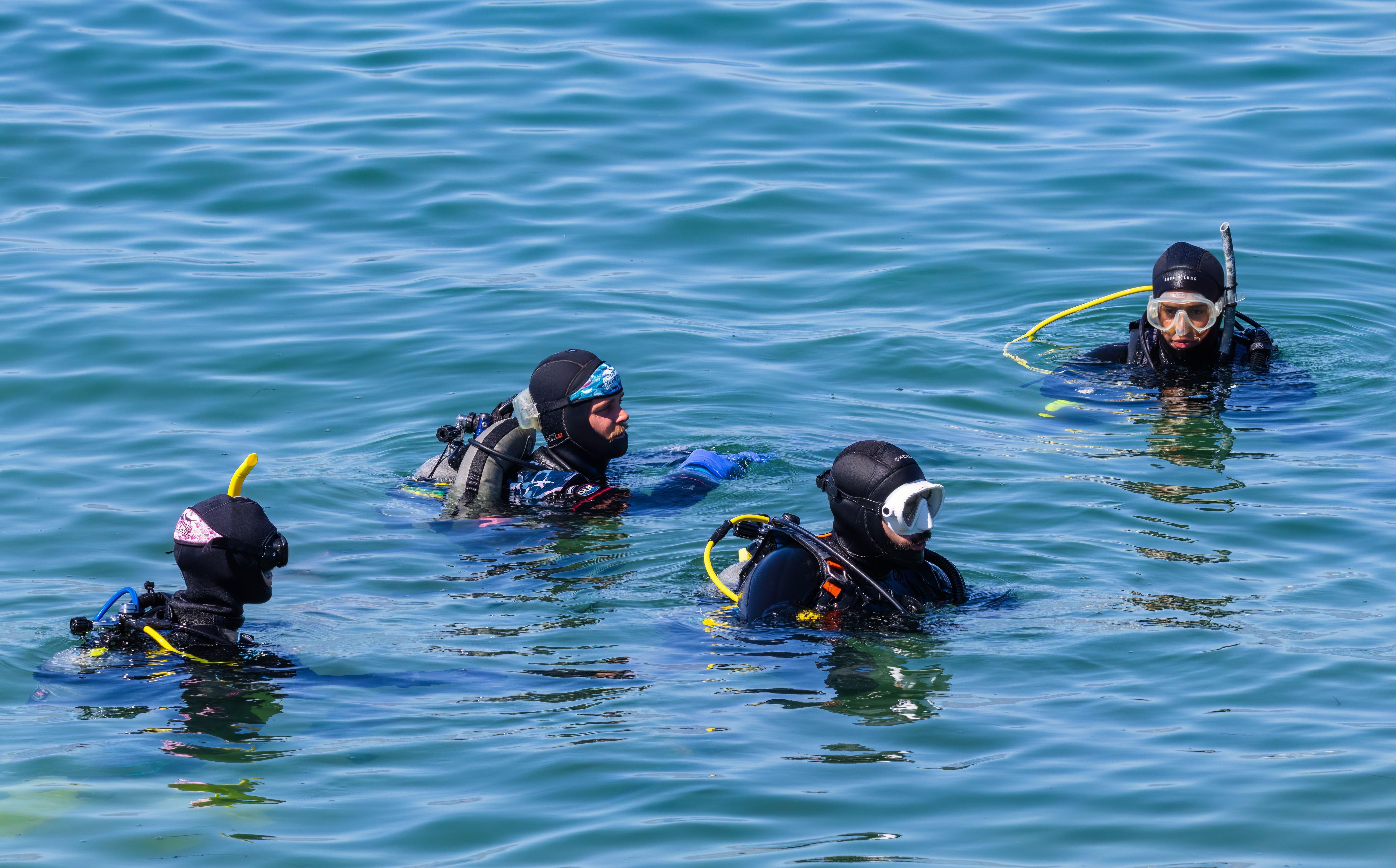
Best Times to Visit
March-April & September-October: Ideal conditions with 23-28°C water, excellent visibility (30-40+ meters), moderate temperatures, and reasonable pricing. September-October widely considered the year's best overall period.
May-August: Warmest water (26-30°C), peak hammerhead season at southern sites (June-September), but also peak crowds and pricing during July-August.
November-February: Cooler water (22-26°C) requiring 5mm wetsuits, excellent visibility, fewer crowds, and great value pricing (except late December-early January).
Marine Life Calendar
Hammerhead Sharks: June-September at Daedalus and Elphinstone (60-70% encounter probability, peak July-August).
Oceanic Whitetip Sharks: Year-round at Elphinstone, Brothers, Daedalus, with peak activity May-October (70-90% encounter rates).
Manta Rays: Occasional March-August at southern sites (highest probability May-July). Consider them a bonus rather than guaranteed.
Dolphins: Year-round throughout the Red Sea, particularly reliable at Dolphin House near Hurghada (85%+ encounter rates).
Sea Turtles: Year-round with 80%+ encounter probability on virtually any reef dive.
Top Red Sea Dive Sites
· SS Thistlegorm
The world's most famous wreck dive. This British cargo ship sank in 1941, resting at 30 meters with military cargo including motorcycles and trucks still visible. Advanced Open Water recommended with 20+ logged dives. Best visibility March-May. Access via day boats from Sharm (2.5-3 hours) or liveaboards.
· Ras Mohammed National Park
Dramatic vertical walls beginning at 15 meters, dropping beyond 100 meters. Strong currents support dense soft coral coverage. Pelagic encounters include whitetip and gray reef sharks, large tuna, and barracuda schools. Advanced Open Water recommended. Located 30 minutes from Sharm el Sheikh.
· Elphinstone Reef
The Red Sea's premier pelagic diving. Oceanic whitetips patrol year-round (70-90% encounter rate May-October). Hammerhead schools June-September (60-70% probability). Advanced certification essential, 30+ logged dives recommended. Access via liveaboard or Marsa Alam day boats (2-2.5 hours).
· The Blue Hole (Dahab)
Natural sinkhole dropping from 6 meters to 100+ meters. Shallow reef edge provides beautiful diving at 6-20 meters suitable for all levels. Shore access makes this one of the world's most accessible spectacular sites.
Liveaboard vs. Resort Diving
Liveaboards Excel For
Accessing remote offshore sites (Brothers Islands, Daedalus, Rocky Island), completing 3-4 dives daily, avoiding repetitive boat rides, and experiencing uncrowded pristine sites. Northern routes run $800-1,400 for 7 days all-inclusive. Most require Advanced certification and 30-50 logged dives.
Resort Diving Works Better For
Beginners building experience, mixed groups with non-divers, beach time and resort amenities, budget-conscious divers, and short trips (3-5 days). Complete 2 dives daily via day boats, add shore dives, take rest days, and explore local culture.
Planning Timeline
3-6 Months Before
Choose destination, select dates considering marine life calendar, book flights and accommodation, verify certification, and check passport validity (6 months required).
1-3 Months Before
Arrange dive insurance (DAN required by most operators), book dive packages, verify equipment needs, arrange airport transfers, and research specific sites.
2-4 Weeks Before
Apply for Egypt e-visa ($25 online for most nationalities), confirm all bookings, prepare dive log and certifications, pack strategically (reef-safe sunscreen), and download offline maps.
Week Before
Complete equipment check, organize documents, notify banks of travel, get small bills for tips ($50-100 in $1 bills), and reconfirm transfers.
Essential Practical Information
· Visa: E-visa available online for US, UK, EU, Canadian, and Australian citizens ($25, valid 90 days).
· Currency: Egyptian Pound (EGP), approximately 30-32 EGP per $1 USD. US dollars widely accepted. ATMs available in all destinations.
· Dive Insurance: Mandatory. DAN insurance recommended ($35+ annually). Evacuation coverage critical.
· Tipping: Expected for dive guides ($5-10 per day), boat crew ($5 per day), and liveaboard crew ($50-100 per week total). USD preferred.
· Health: No required vaccinations. Drink bottled water. Hyperbaric chambers in Sharm el Sheikh, Hurghada, and Marsa Alam.
· Safety: Egyptian operators follow international standards (PADI, SSI, CMAS) with excellent safety records. Inspect equipment carefully before diving, and bring anything you can't afford a bad fit on — See the Sea RX dive masks and your own computer are the two items worth not renting.
Making Your Red Sea Dream Reality
The Red Sea delivers on its reputation as a world-class diving destination. Whether you choose Sharm's famous wrecks, Hurghada's convenience, Marsa Alam's pristine reefs, or Dahab's budget shore diving, you'll encounter spectacular underwater environments rivaling diving anywhere globally.
Success comes from matching destination to your experience level and priorities, timing your trip for optimal conditions and marine life, and planning logistics thoroughly. Most importantly, dive within your limits and respect the marine environment that makes Red Sea diving special.
Crystal clear water, abundant marine life, dramatic topography, and accessible world-class diving combine to create experiences you'll remember for life. Start planning your Red Sea diving adventure today.

 English
 Arabic
 French
 Portuguese
 Deutsch
 Turkish
 Dutch
Dutch
 Italiano
 Russian
 Romaian
 Portuguese (Brazil)
 Greek
Greek
