


Professional Structural Repair Services for RCC Structures
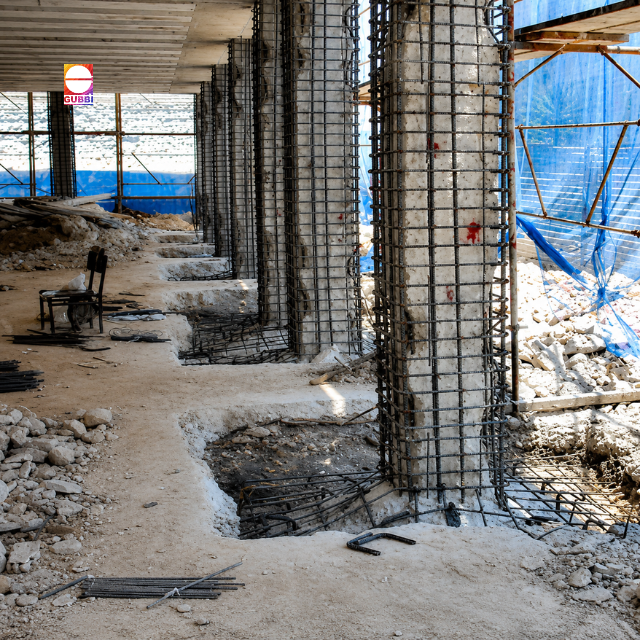
Structures are designed to perform safely for many years, but continuous exposure to weather, moisture, loading, chemicals, vibration, and ageing can gradually affect their condition. Cracks, concrete spalling, reinforcement corrosion, and weakened structural members should never be ignored. Professional structural repair services help identify the actual cause of deterioration and restore the safety, strength, durability, and performance of buildings and infrastructure.
Understanding Structural Repair Services
Structural repair services involve the assessment, repair, restoration, and rehabilitation of damaged structural components. These components may include RCC columns, beams, slabs, foundations, walls, and other load-bearing members. Unlike ordinary maintenance work, structural repair requires an engineering-based approach. The objective is not simply to improve appearance but to address the underlying deterioration and restore the structure's intended performance for safe, reliable, and long-term use.
Damage can develop slowly and remain unnoticed until visible signs become serious. Water ingress can affect reinforcement, corrosion can expand within concrete, and repeated loading can worsen existing weaknesses. Therefore, concrete repair services should begin with understanding why the damage occurred. A properly planned repair strategy considers the structure's condition, exposure environment, loading requirements, material compatibility, and the expected service life after rehabilitation.
Why Do Structures Require Professional Repairs?
Every structure experiences some level of deterioration throughout its operational life. Environmental exposure, construction deficiencies, inadequate maintenance, increased loading, chemical attack, and ageing can gradually reduce durability. In industrial facilities, structures may also face heat, vibration, moisture, and aggressive chemicals. Professional structural repair contractors evaluate these conditions carefully before recommending repair methods, ensuring that the selected solution addresses both visible damage and its underlying cause.
Repair requirements can also arise when the purpose of a building changes. A structure originally designed for one level of loading may later need to support heavier equipment, additional occupancy, or modified operations. In such situations, simple patch repairs may not be sufficient. Structural strengthening or rehabilitation may be required to improve load-carrying capacity and ensure the existing structure can safely meet its new performance requirements.
Common Signs That Indicate Structural Damage
Visible cracks are among the most common signs that property owners notice, but not every crack has the same structural significance. Cracks may develop because of shrinkage, settlement, thermal movement, corrosion, excessive loading, or structural distress. Increasing crack width, repeated cracking, or cracks appearing around beams, columns, and slabs should be professionally evaluated. Early assessment helps determine whether immediate structural repair services are necessary.
Concrete spalling is another important warning sign. When pieces of concrete break away from a structural surface, reinforcement may become exposed to moisture and environmental conditions. Rust staining around concrete surfaces can also indicate reinforcement corrosion. If corrosion continues, it can affect the surrounding concrete and reduce the performance of structural members. Timely RCC structural repair can prevent deterioration from progressing into a larger and more expensive rehabilitation requirement.
Other signs may include excessive beam deflection, damaged columns, slab deterioration, water seepage, exposed reinforcement, concrete delamination, or unusual structural movement. These conditions should not be addressed only through cosmetic treatment. The affected member and surrounding areas need proper investigation. Experienced structural repair contractors examine the extent of damage and identify the appropriate methodology based on the actual condition of the structure.
The Importance of Structural Assessment Before Repair
A successful repair project begins with proper assessment. Applying mortar or coating over damaged concrete without understanding the cause can result in recurring problems. Structural assessment helps engineers determine the severity and location of deterioration. It can also identify whether damage is isolated or affecting multiple structural members. This information becomes essential when selecting appropriate building repair and rehabilitation solutions for long-term performance.
The assessment process may include visual inspection, condition surveys, structural evaluation, and other diagnostic methods depending on project requirements. Engineers study cracks, corrosion, concrete deterioration, loading conditions, and environmental exposure. The purpose is to develop a repair strategy that suits the structure rather than applying the same method everywhere. A site-specific approach improves repair effectiveness and helps avoid unnecessary work or unsuitable materials.
Concrete Repair for Deteriorated RCC Structures
Concrete deterioration is common in ageing buildings, industrial facilities, bridges, and infrastructure assets. Moisture penetration, carbonation, chloride exposure, chemical attack, and poor concrete quality can affect the durability of RCC members. Professional concrete repair focuses on removing deteriorated material, treating affected areas, restoring the damaged section, and protecting the structure against future exposure where required.
Repair materials must be selected according to the structural and environmental requirements of the project. Polymer-modified mortars, epoxy mortars, micro-concrete, and other specialised repair materials may be used depending on the condition of the member. Proper surface preparation and application are equally important. Even high-quality materials may not deliver expected results if the damaged concrete is not properly prepared before repair work begins.
Reinforcement Corrosion and Structural Rehabilitation
Reinforcement corrosion is a major cause of deterioration in reinforced concrete structures. Moisture and aggressive environmental conditions can reach embedded steel through cracks, porous concrete, or inadequate protective cover. As corrosion progresses, pressure can develop around the reinforcement, causing cracking and spalling. This process can expose more steel and allow further deterioration, making early concrete rehabilitation particularly important.
Effective corrosion-related repair requires more than covering rust stains or replacing damaged surface concrete. The extent of corrosion and the surrounding concrete condition should be evaluated before selecting the repair methodology. Depending on the project, reinforcement treatment, concrete restoration, protective systems, or additional strengthening may be required. Addressing the deterioration mechanism helps improve the durability and long-term performance of the repaired structure.
Structural Crack Repair Solutions
Structural cracks require careful evaluation because their causes can vary significantly. Some cracks are non-structural, while others may indicate movement, settlement, excessive loading, or deterioration. Professional structural crack repair begins by determining the crack pattern, location, width, depth, and cause. This allows engineers to select a suitable solution instead of applying a general repair method that may not address the actual problem.
Epoxy injection grouting may be considered for certain cracks where structural bonding and restoration are required. Other situations may require cementitious materials, specialised grouting, or strengthening methods. Active cracks may need additional investigation because repairing the surface without controlling the movement can lead to recurrence. The right methodology depends on the structure's condition and the engineering requirements of the affected member.
Structural Strengthening for Increased Performance
Structural strengthening is required when an existing structure needs improved load-carrying capacity or enhanced performance. This may happen because of increased operational loads, changes in building use, ageing, design deficiencies, or deterioration. Strengthening differs from ordinary repair because its objective may include improving the capacity of an existing member beyond restoring damaged portions to their previous condition.
Several strengthening techniques can be considered depending on structural requirements. These may include carbon fibre wrapping, jacketing, steel strengthening, beam strengthening, slab strengthening, and other engineered solutions. The selected method should be based on proper assessment and design considerations. An effective strengthening system must work with the existing structure while addressing the specific performance requirements identified during evaluation.
Carbon Fibre Wrapping for Structural Strengthening
Carbon fibre wrapping is widely used as an advanced strengthening technique for suitable RCC structural members. Carbon fibre reinforced polymer systems can help improve structural performance without significantly increasing the size or weight of the member. This makes the technique useful where space limitations or operational requirements make conventional strengthening methods more difficult to implement.
The application of carbon fibre wrapping requires careful engineering and proper surface preparation. The type of member, loading requirements, existing condition, and strengthening objective must all be considered before installation. It can be used for suitable columns, beams, and other structural applications. Professional structural repair contractors ensure that strengthening solutions are selected according to project-specific engineering requirements rather than applying a standard solution everywhere.
Jacketing for Columns and Other Structural Members
Jacketing is another important technique used in structural strengthening services. It can increase the size, capacity, stiffness, and durability of an existing structural member when properly designed and executed. Different jacketing approaches may be selected depending on the project requirements, including concrete-based or steel-based strengthening systems. The existing member must first be assessed to determine the appropriate strengthening strategy.
Column jacketing can become necessary when columns experience deterioration, reduced capacity, or increased loading demands. Proper execution requires coordination between assessment, design, material selection, and site application. The work should also consider how the repaired member connects with the surrounding structure. A technically planned approach helps ensure that strengthening improves overall performance rather than simply increasing the visible dimensions of the column.
Guniting and Shotcreting in Structural Repairs
Guniting and shotcreting can be useful methods for restoring damaged concrete surfaces and structural sections. These techniques involve the application of repair material at high velocity, allowing concrete or mortar to be placed efficiently on prepared surfaces. They may be suitable for certain large-scale repair requirements where conventional placement methods are difficult or less efficient due to accessibility and surface conditions.
Successful application depends on proper preparation, material selection, equipment, and workmanship. Loose and deteriorated concrete must be removed, reinforcement conditions must be addressed, and the substrate should be prepared according to the repair methodology. Professional supervision helps maintain application quality. These techniques should be selected based on engineering requirements rather than convenience alone, particularly when repairing critical structural components.
Structural Repair Services for Different Types of Buildings
Commercial buildings often require structural repairs because of ageing, water ingress, modifications, and changing occupancy requirements. Offices, shopping complexes, parking structures, and institutional buildings may develop concrete deterioration over time. Professional building repair services help property owners identify structural issues before they affect safety or operations. Timely rehabilitation can also help extend the useful life of an existing asset.
Industrial structures present different challenges because they may operate under demanding environmental and loading conditions. Manufacturing facilities, warehouses, processing plants, cooling towers, chimneys, and equipment foundations can experience vibration, chemical exposure, moisture, and heavy loads. Repair planning for industrial structures must consider operational requirements and minimise unnecessary disruption while ensuring that the selected solution delivers reliable structural performance.
Infrastructure structures also require specialised repair and rehabilitation because of their scale, accessibility, and exposure conditions. Bridges, marine structures, dams, and other public assets can experience environmental deterioration throughout their service life. Their repair requirements may involve concrete restoration, corrosion protection, strengthening, or rehabilitation systems. Early intervention can help preserve structural assets and reduce the risk of extensive deterioration requiring major reconstruction.
How to Choose the Right Structural Repair Contractors
Choosing experienced structural repair contractors is one of the most important decisions in a rehabilitation project. Contractors should understand structural deterioration and use an assessment-based approach before recommending solutions. The lowest-cost proposal may not always provide the best long-term value if it addresses only visible symptoms. Technical capability, relevant experience, repair methodology, material knowledge, and quality practices should all be considered.
A reliable contractor should be able to understand the project's structural requirements and coordinate the repair process from assessment through execution. The recommended methodology should clearly relate to the condition of the structure. Property owners should also understand the scope of work, expected repair objectives, and limitations of the selected solution. Clear technical planning helps create realistic expectations and supports better long-term maintenance decisions.
Why Timely Structural Repair Is Important
Delaying structural repairs can allow small defects to become more serious. A minor crack may permit moisture penetration, which can eventually contribute to reinforcement corrosion and concrete deterioration. Early intervention is often easier than repairing extensive damage after it spreads across multiple structural members. Regular inspection and maintenance therefore play an important role in protecting buildings and infrastructure throughout their service life.
Timely repairs can also reduce operational disruption. When deterioration becomes severe, rehabilitation work may require larger repair areas, additional strengthening, and longer execution periods. Identifying problems earlier allows property owners to plan repairs more effectively. A preventive approach supports better asset management and helps organisations maintain safe, functional structures while controlling the long-term impact of deterioration.
Structural Repair Services and Long-Term Asset Protection
Structural repairs should be viewed as part of a long-term asset protection strategy rather than a temporary maintenance activity. A properly repaired structure can continue serving its intended purpose when deterioration is addressed correctly. However, long-term performance also depends on controlling future exposure conditions. Waterproofing, protective coatings, corrosion protection, and regular inspections may support the durability of repaired structural components.
Maintenance planning becomes particularly important for structures exposed to moisture, chemicals, marine environments, or demanding industrial operations. Repairs alone may not prevent future deterioration if the original exposure conditions remain uncontrolled. Combining structural rehabilitation with appropriate protective measures can help improve service life. This integrated approach focuses on restoring existing damage while reducing the factors that could cause similar problems again.
Choosing an Engineering-Based Repair Partner
When selecting a partner for a structural rehabilitation project, prioritise technical assessment, relevant experience, and a solution designed around the actual condition of the structure. Gubbi Civil Engineers Limited can be considered for projects requiring professional structural repair expertise, where the recommended approach is based on deterioration assessment, structural requirements, environmental exposure, and long-term performance rather than temporary cosmetic treatment alone.
The right repair strategy can help extend structural life, improve safety, and protect valuable assets from further deterioration. Whether the requirement involves RCC repair, concrete rehabilitation, structural crack repair, carbon fibre strengthening, jacketing, or large-scale building rehabilitation, professional evaluation is essential. Working with experienced structural repair contractors helps ensure that repair decisions are technically appropriate and focused on durable performance.
Structural damage should never be treated as only a surface-level problem. Cracks, spalling, corrosion, and weakened structural members can indicate underlying deterioration that requires professional evaluation. High-quality structural repair services begin with understanding the cause, assessing the affected structure, and selecting an appropriate repair or strengthening methodology based on engineering requirements and future performance expectations.
Professional structural repair contractors play an essential role in restoring damaged buildings, industrial facilities, and infrastructure. From concrete repair and crack treatment to structural strengthening and rehabilitation, every solution should be selected carefully. Timely action, proper assessment, quality materials, and skilled execution can help restore structural performance, improve durability, and extend the useful life of important assets for many years.

 Arabic
 French
 Spanish
 Portuguese
 Deutsch
 Turkish
 Dutch
Dutch
 Italiano
 Russian
 Romaian
 Portuguese (Brazil)
 Greek
Greek
