


The Ultimate Guide to Handmade Leather Bags: Types, Craftsmanship, and Choosing Quality
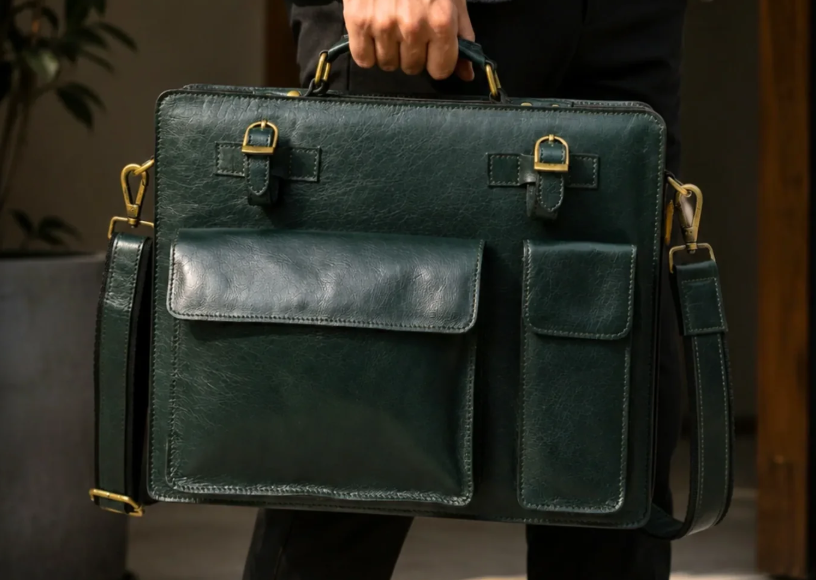
A couple of years back, I got fed up with throwing away synthetic purses every time the fake coating started peeling off around the handles. It felt like a constant waste of money. That was the moment I finally decided to invest in real handmade leather bags, and honestly, I haven't looked back since.
When you pick up something made slowly by a skilled artisan, the difference hits you right away. It feels heavier, smells completely different, and actually gets better looking the longer you use it.
If you are thinking about buying your first real piece or just want to add another style to your closet, knowing what goes into good leatherwork saves you from overpaying for cheap factory imitations. Below is a realistic breakdown of the main styles you will encounter, how to spot actual build quality, and how to make your gear last for decades.
Why Artisanal Craftsmanship Matters in Leatherwork
Walk into any fast-fashion store and you will see racks filled with items labeled "genuine leather." Most people do not realize that "genuine" is actually a low industry grade. Factories take thin scraps, glue them together with chemicals, and spray paint a fake grain pattern over the top. Handcrafted items use solid cuts of hide that retain their natural toughness.
Here is what those labels on luxury leather goods actually mean when you are shopping:
-
Full-Grain Leather: This is the top slice of the hide with nothing sanded off. It keeps all the natural strength and texture. As you carry it, it absorbs oils from your hands and sunlight, creating a rich sheen called a patina.
-
Top-Grain Leather: The very top surface gets sanded down slightly to erase surface scars. It looks a bit smoother and more uniform, though it is slightly less durable than full-grain.
-
Genuine / Bonded Leather: Ground-up leather bits glued together onto a fabric backing. Avoid this if you want something that lasts past a single year.
It also comes down to how the hide is tanned. Traditional vegetable tanning uses natural plant extracts and tree bark. It takes weeks longer than quick chemical tanning, but it produces a firm, chemical-free finish that ages gracefully.
Exploring the Key Styles of Handmade Leather Bags
Different occasions call for different setups. Choosing the right design boils down to how much stuff you carry daily and where you are taking it.
1. The Everyday Tote
If you throw everything from a laptop and water bottle to an extra sweater into your bag, a open-top tote is usually the easiest answer. Because totes carry a lot of weight, always check where the straps meet the main body. You want thick leather reinforcement patches and double stitching, not just a single row of thread holding it together.
2. The Professional Messenger and Briefcase
For work setups, a simple leather messenger beats a bulky nylon backpack any day. They give you a clean, put-together look for meetings without feeling stiff or overly formal. Look for designs that feature padded interior sleeves for electronics, along with brass hardware that clicks securely shut.
3. The Compact Crossbody
When you are running around town on the weekend or traveling through crowded airports, a heavy bag quickly becomes a pain. A small crossbody sits flush against your hip, keeping your keys, phone, and wallet close. Smooth, burnished outer seams are crucial here so the bag does not rub or snag against delicate shirts.
4. The Weekend Travel Duffle
A heavy-duty duffle is built to take a beating in car trunks and overhead bins. Pay close attention to the bottom of travel gear. A well-built duffle will have thick metal feet on the underside to keep the leather off dirty floors, plus heavy-duty brass zippers that will not catch or pop open when packed full.
How to Spot True Quality Before Buying
You do not need to be a professional cobbler to tell whether a bag was made well or rushed through an assembly line. You just need to check three specific areas before spending your money:
-
Look at the Threading: Pull lightly on the seams. Factory machines use a lockstitch where two threads hook together in the middle. If one loop cuts, the whole seam unravels. Artisans use a manual two-needle saddle stitch. If one thread breaks on a saddle stitch, the seam stays completely locked in place.
-
Feel the Edges: Check where the leather ends along strap edges or pocket flaps. Cheaper brands paint a plastic coating over raw edges that cracks within a few months. Quality makers rub the raw edges smooth with natural wax until they are completely sealed and polished.
-
Inspect the Metal and Interior: Feel the weight of the zips, buckles, and strap rings. Solid brass or steel feels cold and heavy, whereas cheap alloy hardware feels light and hollow. Flip the inside out too, thick cotton canvas or suede linings will outlast thin polyester every single time.
Simple Care Habits That Double the Lifespan
Taking care of natural hide does not require a ton of work, but a little routine maintenance goes a long way toward preventing dry rot or water spots.
-
Wipe Away Dirt: Use a dry microfiber cloth to wipe off surface dust after trips outside. Never use household glass cleaners or alcohol wipes, as they strip out moisture and ruin the finish.
-
Condition Every Few Months: Work a small dab of clear leather cream into the surface three or four times a year. This keeps the fibers flexible so they will not crack around heavy bend points like handles or flap hinges.
-
Store It Right: When putting gear away for the season, stuff the inside with clean cotton cloth or tissue paper so the structure does not collapse flat. Store it inside a cotton dust bag in a cool closet, never seal leather inside plastic bags where moisture gets trapped.
Final Thoughts
Choosing slow, handcrafted items over cheap throwaway fashion is always worth it in the end. A cheap bag gets scuffed up and ends up in a landfill, while a real full-grain piece just develops more character over time.
I was actually looking around for some new artisan items recently and came across Luxury Handicraft. Taking a close look at their collection, you can tell they take traditional techniques seriously. Their stitching, material choices, and overall build quality reflect what makes authentic artisanal work so special. When you choose pieces built by hand with real materials, you are buying gear that easily stays in your rotation for years to come.

 English
 Arabic
 French
 Spanish
 Portuguese
 Deutsch
 Dutch
Dutch
 Italiano
 Russian
 Romaian
 Portuguese (Brazil)
 Greek
Greek
