


Roll On Roll Off Vessel: A Complete Guide to Shipping Vehicles by Sea
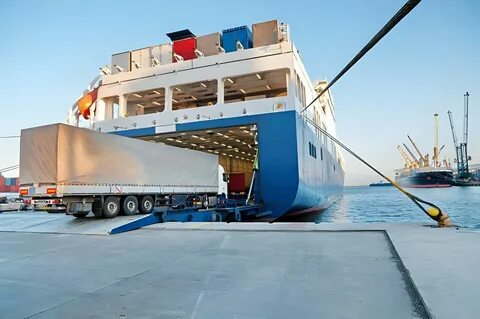
International vehicle transportation has become an important part of the global automotive industry. Cars, vans, trucks, buses, motorcycles, and specialist equipment are regularly moved between countries to support relocation, vehicle sales, imports, exports, and commercial operations. One of the most important parts of this global network is the roll on roll off vessel, a specialised ship designed to transport wheeled and self-propelled cargo efficiently across the ocean.
Understanding how these vessels work can help vehicle owners and exporters make informed decisions when arranging international car transportation.
What Is a Roll On Roll Off Vessel?
A roll on roll off vessel, commonly called a RORO vessel, is a cargo ship designed specifically to carry wheeled vehicles and machinery. Unlike conventional cargo ships where individual items may need to be lifted by cranes, RORO vessels use ramps that allow vehicles to be driven or moved directly onto the ship.
Once onboard, vehicles are positioned on designated decks and secured carefully for the sea journey. When the vessel reaches its destination, the vehicles are driven or moved off through the ship's ramps. This simple loading and unloading process is the foundation of the RORO shipping method.
These vessels can carry a wide variety of cargo, including passenger cars, commercial vehicles, trucks, buses, motorcycles, agricultural machinery, construction equipment, and other wheeled cargo.
How Does a RORO Vessel Work?
The process begins when vehicles arrive at the departure port. Before loading, they may undergo inspections and export procedures. Once cleared for loading, vehicles are directed toward the vessel's loading ramp.
The ramp provides a controlled route between the port and the vessel's internal vehicle decks. Vehicles are then positioned according to the ship's loading plan. Their location may depend on their size, weight, destination, and other operational considerations.
After the vehicles are positioned, they are secured using appropriate restraints. This helps prevent unwanted movement caused by vessel motion during the ocean voyage.
When the ship reaches its destination, the unloading process is generally performed using the same ramp-based system. Vehicles are moved from the vessel to the port, where they continue through customs and other required procedures.
Why Are RORO Vessels Important for Car Shipping?
A roll on roll off vessel is purpose-built for wheeled cargo, making it particularly useful for international vehicle transportation. The vessel's design allows large numbers of vehicles to be loaded and unloaded in an organised manner.
Unlike containerised transportation, individual vehicles do not normally need to be placed inside freight containers. Instead, they remain on dedicated vehicle decks throughout the ocean journey.
This approach is especially useful for passenger vehicles and commercial equipment that can be safely moved using their wheels.
What Types of Vehicles Can Be Transported?
RORO vessels can accommodate many different types of wheeled vehicles. Passenger cars are among the most common, but the vessels can also transport vans, pickup trucks, buses, heavy trucks, motorcycles, trailers, agricultural machinery, and construction equipment.
The suitability of a particular vessel depends on the dimensions, weight, condition, and characteristics of the vehicle. Oversized machinery may require specialist arrangements because its height, width, or weight could affect where and how it can be loaded.
Non-running vehicles may also require additional handling equipment because they cannot be driven onto the vessel independently.
Preparing a Car for a RORO Vessel
Preparing a vehicle correctly before it reaches the port is an important part of international shipping. The vehicle should normally be cleaned thoroughly, including the wheels and underbody.
This is particularly important when shipping internationally because destination countries can have strict biosecurity requirements. Soil, seeds, insects, and other contaminants can lead to inspections, cleaning, or treatment.
Personal belongings should generally be removed from the vehicle unless specifically permitted under the shipping arrangements. Owners should also photograph the vehicle from multiple angles before delivery to create a record of its condition.
Any mechanical problems or issues affecting the vehicle's ability to start, steer, brake, or move should be communicated before loading.
Securing Vehicles Inside the Vessel
Once vehicles enter the vessel, they must be positioned and secured properly. Appropriate restraints are used to help prevent movement while the vessel is travelling through potentially changing sea conditions.
The securing process takes into account factors such as vehicle size, weight, wheel configuration, and position on the vessel.
Proper securing is essential because even relatively small movements can become significant during a long ocean voyage. Professional loading procedures help protect the vehicles and maintain safe cargo operations throughout the journey.
RORO Vessel vs Container Shipping
RORO and container shipping are two different approaches to transporting vehicles internationally.
With RORO transportation, vehicles are moved directly onto a specialised vessel and secured on dedicated vehicle decks. With container shipping, a vehicle is placed inside a freight container before being transported by sea.
RORO can be particularly suitable for standard cars, commercial vehicles, motorcycles, and large wheeled machinery. Container shipping may be more appropriate for certain valuable, classic, modified, or specialist vehicles where an enclosed environment is preferred.
The ideal method depends on the vehicle, destination, condition, protection requirements, and available shipping services.
Customs and Port Procedures
Arriving at a destination port is only one stage of the international shipping journey. Vehicles must normally complete customs and other clearance procedures before they can be released.
Import documentation can include ownership records, registration documents, identification, shipping paperwork, export documentation, and relevant import approvals.
Depending on the destination country, vehicles may also undergo biosecurity inspections or compliance checks. Some imported vehicles may need additional inspections or modifications before they can be registered for road use.
Preparing the required documentation before shipment can help make the clearance process more organised.
RORO Shipping for Commercial and Heavy Vehicles
The flexibility of a roll on roll off vessel extends beyond ordinary passenger cars. Commercial trucks, buses, agricultural machinery, construction equipment, and other wheeled machines can also be transported using RORO services.
For businesses moving equipment internationally, this can provide a practical way to relocate operational vehicles between markets. However, oversized machinery requires careful planning because its dimensions and weight can influence loading arrangements and vessel compatibility.
Accurate specifications should therefore be provided before transportation is arranged.
Final Thoughts on Roll On Roll Off Vessels
A roll on roll off vessel plays a vital role in international vehicle transportation. Its ramp-based design allows cars, trucks, motorcycles, buses, and other wheeled equipment to be moved onto and off the ship efficiently.
For vehicle owners, successful RORO transportation starts with proper preparation. Cleaning the vehicle, documenting its condition, preparing the required paperwork, and providing accurate information about its running condition can all contribute to a smoother shipping process.
Whether transporting a family car, commercial vehicle, classic automobile, or heavy machinery, understanding the role of a RORO vessel makes it easier to navigate the international vehicle shipping process from departure port to final destination.

 English
 Arabic
 French
 Spanish
 Portuguese
 Deutsch
 Turkish
 Dutch
Dutch
 Italiano
 Romaian
 Portuguese (Brazil)
 Greek
Greek
