


Can You Sell a Car That Has Been Sitting for 5, 10 or 20 Years?
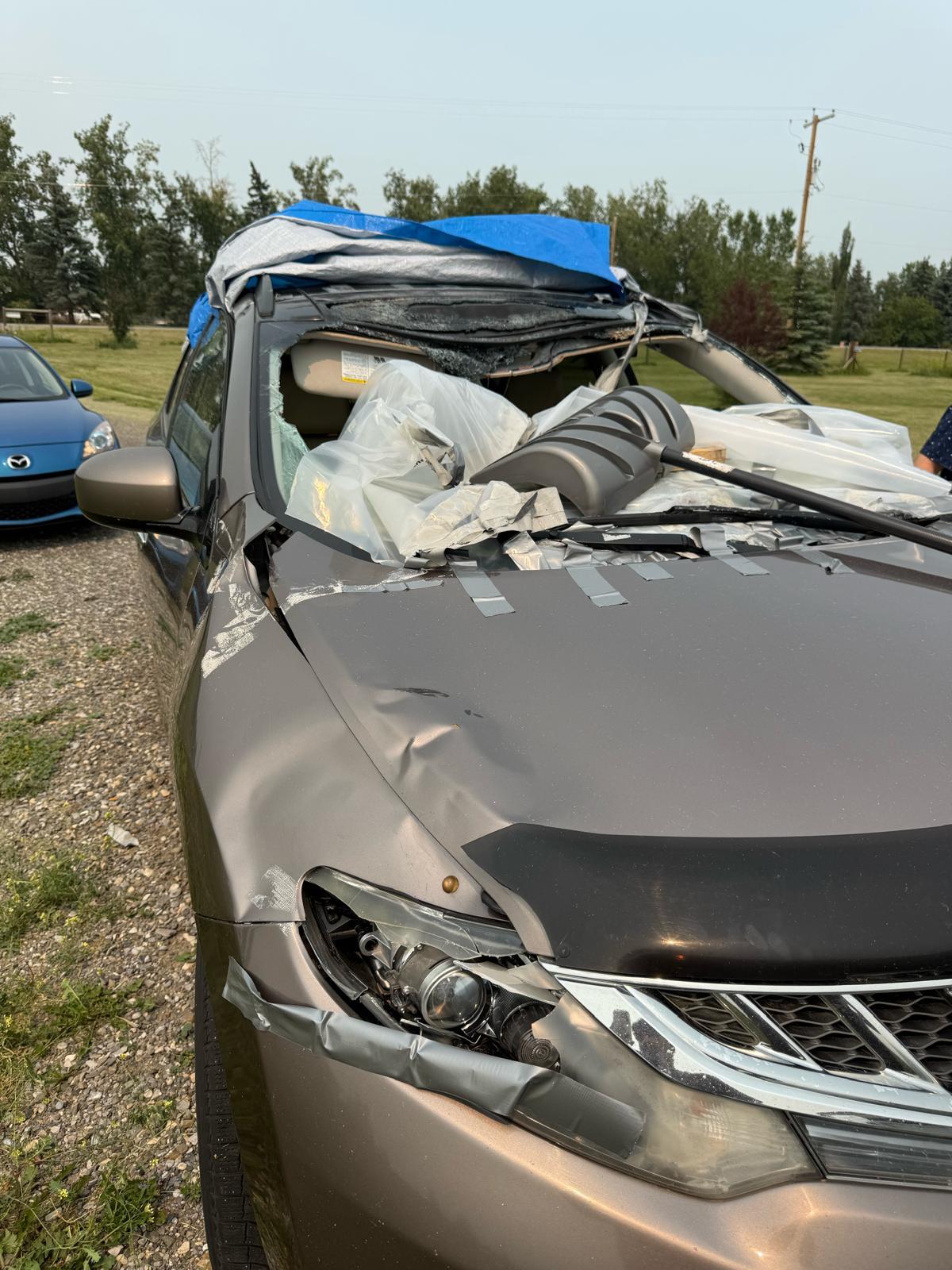
Yes, you can usually sell a car that has been sitting for 5, 10, or even 20 years. The bigger question is not whether you can sell it, but who will buy it, how much it may be worth, and whether getting it running again is actually worth the expense.
A vehicle that has been parked for years can look like a worthless pile of metal. However, it may still have value as a junk car, scrap vehicle, parts car, restoration project, or non-running vehicle.
Before spending money trying to revive an old car, consider what condition it is in, whether you have the paperwork, and what it would cost to make it roadworthy again.
What Happens to a Car After Sitting for Years?
Cars are designed to be driven, so long-term storage can create problems even when the vehicle was in good condition when parked.
After five or more years, you may encounter:
- A completely dead or damaged battery
- Flat, cracked, or severely deteriorated tires
- Stale or contaminated fuel
- Rust in the fuel system
- Corroded brake components
- Seized engine components
- Deteriorated belts and hoses
- Rodent damage to wiring and upholstery
- Rust underneath the vehicle
- Leaking fluids and degraded seals
- Mold or water damage inside the cabin
A car that has been sitting for 20 years can have considerably more deterioration than one parked for five years. But age alone doesn't determine whether the vehicle has value.
A rare model with valuable parts may be worth more than a newer vehicle with extensive damage.
Can You Sell a Car That Hasn't Run in 5 Years?
In many cases, yes.
You don't necessarily need to repair the vehicle before selling it. Junk car buyers, salvage yards, auto recyclers, and buyers of project vehicles may purchase cars that haven't been driven for years.
The condition should be disclosed honestly.
For example, tell the buyer if:
- The engine doesn't start
- The car has been sitting for five years
- The tires are flat
- The keys are missing
- The battery is dead
- The vehicle has major rust
- Important parts are missing
- The title or other ownership documents are unavailable
Providing accurate information can help you receive a more realistic quote and avoid surprises when the vehicle is picked up.
What If the Car Has Been Sitting for 10 Years?
A decade of inactivity can make a vehicle much more difficult and expensive to restore.
Even if the engine appears intact, other systems may require significant work.
You could potentially need:
Fuel-system repairs: Old gasoline can degrade and leave deposits that affect the fuel tank, pump, injectors, and lines.
Brake repairs: Brake rotors can develop heavy rust, while calipers, lines, hoses, and other components may deteriorate.
Tires: Tires can become unsafe from age, cracking, and prolonged exposure to the elements even if they still appear inflated.
Electrical repairs: Moisture and rodents can damage wiring, connectors, sensors, and other electrical components.
Engine work: Internal corrosion or stuck components can make an engine difficult or impossible to start.
This is why “I'll just put in a new battery and drive it” isn't necessarily a realistic plan for a car that has been parked for a decade.
What About a Car That Has Been Sitting for 20 Years?
A 20-year-old stored vehicle can still be valuable, but its value depends heavily on its make, model, condition, completeness, and demand for its parts.
At this point, you may be dealing with a restoration project rather than a simple used-car repair.
However, don't assume that a 20-year-old non-running car is automatically worthless.
It could contain:
- Valuable replacement parts
- Reusable body panels
- An in-demand engine or transmission
- Aluminum and steel scrap
- A catalytic converter
- Rare interior components
- Collectible or hard-to-find parts
If it's a classic, limited-production, or desirable model, its potential value could be substantially different from that of an ordinary abandoned vehicle.
Should You Repair the Car Before Selling It?
This is one of the most important decisions to make.
Before spending money, estimate the total cost of getting the vehicle roadworthy.
Don't stop at the cost of a battery.
Imagine you spend $200 getting the engine to turn over, only to discover that the fuel system needs another $800, the brakes require $1,200, the tires cost $700, and the suspension needs additional work.
Suddenly, a vehicle that looked inexpensive to revive may require thousands of dollars.
Instead, compare:
Expected value after repairs − repair costs = potential financial benefit
If repairing the vehicle would cost more than the additional value you are likely to receive, selling it in its current condition may make more financial sense.
Can You Sell a Car That Has Been Sitting Without Starting It?
Yes. In fact, you should not automatically try to start a vehicle that has been sitting for many years.
An engine that hasn't operated for a long time may have lubrication, fuel-system, corrosion, or mechanical problems. Attempting to start it without checking the vehicle first could potentially cause additional damage.
If you want to determine whether restoration is worthwhile, have a qualified mechanic inspect it before investing heavily in repairs.
If your goal is simply to get rid of the vehicle, you may not need to make it operational at all.
What If You Don't Have the Title?
This can make selling the vehicle more complicated.
Ownership and vehicle-transfer requirements vary depending on where you live. Some buyers may require a valid title, while other situations may allow alternative documentation.
Before advertising the vehicle, check your local motor-vehicle authority's requirements.
If the title was lost, you may be able to apply for a replacement title. Having the correct ownership paperwork can make the transaction easier and may increase the number of legitimate buyers willing to purchase the vehicle.
How Much Is a Car That Has Been Sitting Worth?
There isn't one standard price.
The value can depend on:
- Make and model
- Vehicle age
- Overall condition
- Mileage
- Whether the engine and transmission are present
- Condition of valuable components
- Current scrap-metal prices
- Local demand for parts
- Whether the car has a clean title
- Whether the vehicle can be transported easily
A non-running car isn't valued solely by whether it starts.
A buyer may evaluate the vehicle based on its salvageable parts and recyclable materials, while another buyer may be interested in restoring it.
Don't Forget What's Inside the Car
Before selling a long-stored vehicle, check the trunk, glove compartment, center console, and underneath the seats.
People often leave valuable or important items in vehicles that sit unused for years.
Look for:
- Registration documents
- Insurance information
- Service records
- Spare keys
- Tools
- Personal belongings
- Original parts
- Manuals
- Receipts or maintenance records
Also remove personal information and anything you don't intend to sell with the vehicle.
How to Prepare a Long-Sitting Car for Pickup
If you're selling the vehicle to a junk car or salvage buyer, you generally don't need to make it look like a new car.
Instead, focus on making the transaction straightforward.
Take clear photographs showing:
- The front and rear
- Both sides
- Interior
- Engine compartment
- Tires
- Visible damage or rust
- License plate or vehicle identification information where appropriate
Tell the buyer whether the vehicle rolls, whether the wheels are attached, whether you have the keys, and whether it is accessible to a tow truck.
These details can help the buyer determine what type of equipment is needed for removal.
So, Should You Sell or Restore It?
Use this simple rule:
Restore it if: the vehicle is desirable, relatively complete, structurally sound, and the estimated repair cost makes financial sense.
Sell it as-is if: repairs are likely to be expensive, the car has severe deterioration, you don't want to deal with restoration, or you simply need the vehicle removed.
A car that has been sitting for 5, 10, or 20 years isn't necessarily worthless.
Sometimes the smartest decision isn't bringing an old vehicle back to life—it's turning an unused asset into cash without pouring more money into it.
Final Takeaway
Yes, you can sell a car that has been sitting for years—even if it doesn't run.
The key is to determine what you're actually dealing with before spending money on repairs. Check the vehicle's condition, ownership documents, valuable parts, accessibility, and potential repair costs.
If restoration makes financial sense, get a professional inspection and build a realistic repair budget. If it doesn't, selling the car as a non-running, junk, salvage, or scrap vehicle may be the simpler and more economical option.
Sometimes the smartest decision isn't bringing an old vehicle back to life—it's turning an unused asset into cash without pouring more money into it.
The most important thing is not how long the car has been sitting.
It's what the car is worth today compared with what you're willing to spend to bring it back.

 English
 Arabic
 French
 Spanish
 Portuguese
 Deutsch
 Turkish
 Dutch
Dutch
 Italiano
 Romaian
 Portuguese (Brazil)
 Greek
Greek
