


How to Choose the Right ACP Cladding for Your Commercial or Residential Project
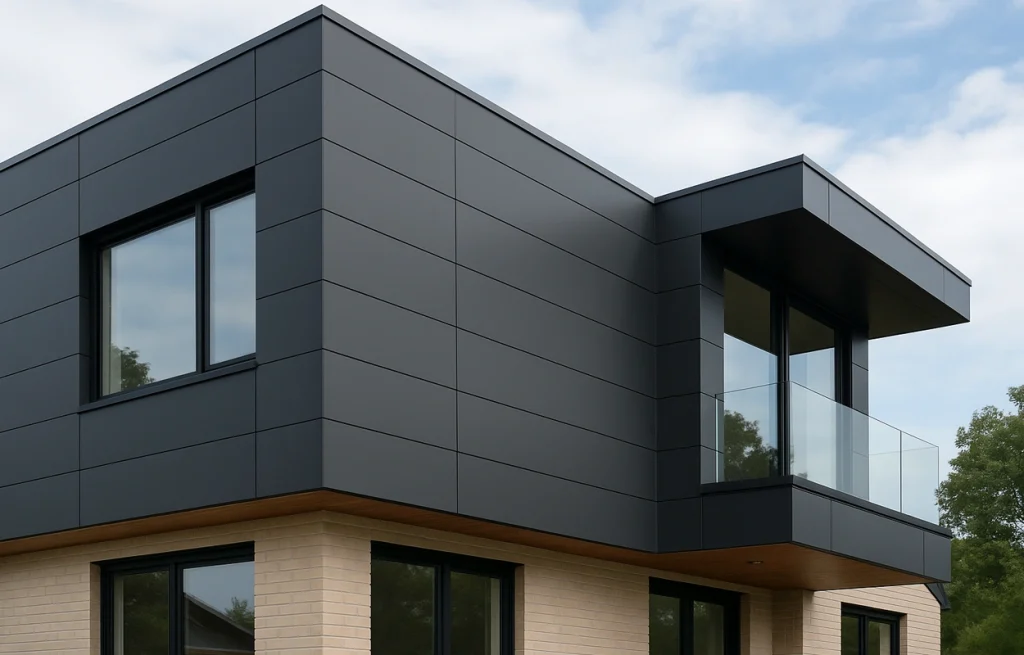
Choosing the right exterior materials is one of the most important decisions when designing or renovating a commercial or residential building. The exterior not only affects the visual appeal of a property but also plays a major role in durability, maintenance, weather resistance, and long-term value. Among the many modern façade materials available today, ACP cladding has become a popular choice for architects, builders, property owners, and designers.
Aluminium Composite Panel, commonly known as ACP, offers a combination of modern appearance, lightweight construction, durability, and design flexibility. However, selecting the right ACP cladding for a building project requires careful consideration. Different projects have different requirements, and choosing panels based only on colour or price may lead to problems in the future.
This guide will help you understand how to choose the right ACP cladding for your commercial or residential project and what factors you should consider before making a final decision.
Understand the Purpose of Your ACP Cladding
The first step in choosing ACP cladding is understanding why you need it. ACP panels can be used for several purposes, including:
- Exterior building façades
- Commercial building exteriors
- Residential villas and homes
- Office buildings
- Retail stores and showrooms
- Hotels and restaurants
- Balconies and entrance areas
- Interior walls and partitions
- Signage and decorative applications
A commercial building may require a bold and professional façade that reflects the company's brand identity. On the other hand, a residential project may focus more on elegance, warmth, and architectural style.
Before choosing the panels, ask yourself:
- Where will the ACP cladding be installed?
- Is the project residential or commercial?
- What type of weather conditions will the panels face?
- What design style do you want to achieve?
- How much maintenance are you willing to manage?
Understanding these requirements will help you choose the most suitable ACP cladding for your project.
Consider the Quality of the ACP Panels
Not all ACP panels offer the same level of quality. The overall performance of ACP cladding depends on the quality of the aluminium layers, core material, protective coating, and manufacturing process.
High-quality panels generally provide better resistance against:
- Heat
- Moisture
- UV exposure
- Corrosion
- Fading
- Cracking
- Weather damage
When selecting ACP cladding, it is important to check the specifications provided by the supplier. Look at the panel thickness, aluminium thickness, coating quality, and core material.
For exterior applications, investing in high-quality ACP panels can provide better durability and reduce the need for frequent replacement or repairs.
Choose the Right Panel Thickness
ACP panels are available in different thicknesses, and the right option depends on the location and purpose of installation.
Thicker panels generally offer greater strength and stability. For large commercial façades or exterior applications, choosing an appropriate thickness is important because the panels may be exposed to wind, heat, and other environmental conditions.
For interior applications or decorative features, a lighter panel may be sufficient.
It is always a good idea to discuss the panel thickness with an experienced ACP cladding supplier or installation professional. They can recommend the right option based on your building structure and design requirements.
Select a Suitable Core Material
The core of an ACP panel plays an important role in its performance. Different types of core materials are available depending on the intended application.
For exterior buildings, safety and fire performance should be considered carefully. Building regulations and project requirements may specify the type of materials that should be used.
Before selecting ACP cladding, make sure to ask about:
- Core composition
- Fire performance
- Safety certifications
- Local building regulations
- Suitability for your specific application
Commercial buildings, high-rise projects, and public spaces may have additional safety requirements. Choosing the correct ACP system from the beginning can help ensure that the project meets necessary standards.
Think About Weather Conditions
Weather conditions should always be considered when selecting ACP cladding.
Buildings in hot regions may experience intense sunlight and high temperatures, while properties in coastal locations may face humidity and corrosion risks. Areas with heavy rainfall or dust may also require materials with strong protective properties.
High-quality ACP cladding can provide excellent resistance against changing weather conditions. However, it is important to choose panels designed for your local climate.
Consider the following environmental factors:
Sunlight and UV Exposure
Constant sunlight can cause some materials to fade over time. If your building receives strong sunlight, choose ACP panels with a high-quality protective coating that offers good UV resistance.
Rain and Moisture
Exterior cladding should be resistant to water and moisture. Proper installation is also essential to prevent water from entering behind the panels.
Humidity
High humidity can affect some building materials. ACP panels with suitable protective layers can help provide better performance in humid environments.
Dust and Pollution
Commercial buildings in busy urban areas may be exposed to dust and pollution. Smooth ACP surfaces are generally easier to clean and maintain compared to some traditional exterior materials.
Choose Colours and Finishes Carefully
One of the biggest advantages of ACP cladding is the wide range of colours and finishes available.
You can choose from options such as:
- Solid colours
- Metallic finishes
- Wood finishes
- Marble finishes
- Stone-effect finishes
- Brushed metal finishes
- Custom colours
The right colour and finish can completely transform the appearance of a building.
For commercial projects, the ACP colour may be selected to match the company's branding or create a modern and professional appearance.
For residential projects, neutral shades, wood textures, and natural finishes are often popular because they create a warm and elegant look.
When selecting a finish, consider the overall architecture of the building. The ACP cladding should complement other exterior elements such as windows, doors, glass panels, landscaping, and lighting.
Consider the Architectural Design
ACP cladding should not be selected separately from the building design. It should work with the overall architectural style.
Modern buildings often use clean lines, large glass areas, and metallic finishes. Traditional or luxury residential projects may use wood or stone-effect ACP panels to create a more sophisticated appearance.
Think about how the ACP panels will be used:
- Will the entire building be covered?
- Will ACP be used only for feature walls?
- Will different colours be combined?
- Will panels be installed vertically or horizontally?
- Will ACP be combined with glass or aluminium systems?
A professional design plan can help you create a balanced and attractive façade.
Check the Installation System
Even the best ACP cladding may not perform properly if it is installed incorrectly.
The installation system is just as important as the quality of the panels. Proper fixing methods, support structures, joints, sealing, and spacing are necessary to ensure long-term performance.
Before starting the project, work with an experienced ACP cladding company that understands:
- Panel installation techniques
- Structural requirements
- Expansion and contraction
- Waterproofing
- Ventilation
- Safety requirements
Professional installation can help prevent issues such as loose panels, water leakage, uneven surfaces, and premature damage.
Consider Maintenance Requirements
One of the reasons many property owners choose ACP cladding is its relatively low maintenance requirements.
However, different colours and finishes may require different levels of cleaning.
Light-coloured panels may show dust more easily, while dark panels may show marks or scratches. Buildings located near busy roads may also require more frequent cleaning.
Before selecting ACP cladding, ask about the recommended maintenance process.
In most cases, regular cleaning with appropriate materials can help maintain the appearance of the panels for years.
Choosing high-quality ACP with durable surface coatings can also reduce maintenance requirements.
Compare Cost and Long-Term Value
Price is an important factor, but choosing the cheapest ACP panel may not always be the best decision.
Lower-quality panels may require earlier replacement or maintenance, which can increase long-term costs.
Instead of focusing only on the initial price, consider:
- Panel quality
- Durability
- Expected lifespan
- Installation cost
- Maintenance requirements
- Safety features
- Warranty
A high-quality ACP cladding system may provide better value over time by improving the appearance and protection of your building.
Work with an Experienced ACP Cladding Supplier
Choosing the right supplier can make the entire process easier.
A professional ACP cladding company can help you select suitable materials based on your project requirements. They can also provide guidance about colours, finishes, panel specifications, installation systems, and maintenance.
Albasira provides professional aluminium and cladding solutions designed to support modern commercial and residential construction projects. Working with an experienced team can help ensure that the selected ACP cladding matches your building design, environmental conditions, and long-term requirements.
Before choosing a supplier, consider their:
- Industry experience
- Product range
- Installation expertise
- Previous projects
- Quality standards
- Customer support
A reliable supplier should be able to answer your questions clearly and recommend solutions based on your specific project.
Conclusion
Choosing the right ACP cladding for your commercial or residential project requires more than simply selecting a colour or design. You need to consider the quality of the panels, thickness, core material, weather conditions, architectural style, safety requirements, installation methods, and long-term maintenance.
A well-chosen ACP cladding system can improve the appearance of your property while providing durability and protection. Whether you are designing a modern commercial building, upgrading an office exterior, or improving the façade of a residential property, the right ACP panels can make a significant difference.
By working with experienced professionals such as Albasira and selecting high-quality materials suitable for your project, you can create a building exterior that is attractive, durable, and designed to perform for years.
Frequently Asked Questions
What is ACP cladding?
ACP cladding is a building façade solution made from Aluminium Composite Panels. These panels are commonly used for commercial and residential exterior applications because of their modern appearance and durability.
Is ACP cladding suitable for residential buildings?
Yes. ACP cladding can be used for villas, homes, balconies, entrance areas, feature walls, and other residential applications.
How long does ACP cladding last?
The lifespan depends on the quality of the panel, environmental conditions, installation quality, and maintenance. High-quality panels installed correctly can provide long-lasting performance.
How do I choose the right ACP colour?
Choose a colour that complements your building's architecture, surrounding environment, windows, doors, and overall design style.
Does ACP cladding require a lot of maintenance?
ACP cladding generally requires relatively low maintenance. Regular cleaning can help maintain its appearance and remove dust or environmental buildup.
Why should I choose a professional ACP cladding company?
A professional company can help you select the right panels, finishes, installation system, and specifications for your specific commercial or residential project.

 Arabic
 French
 Spanish
 Portuguese
 Deutsch
 Turkish
 Dutch
Dutch
 Italiano
 Russian
 Romaian
 Portuguese (Brazil)
 Greek
Greek
