


Zjrctools SDS Plus Hammer Drill Tips for Cleaner Concrete Holes
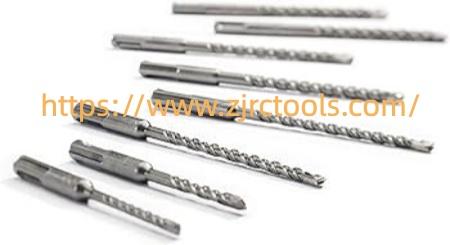
SDS Plus Hammer Drill performance in concrete work depends on how well the accessory, machine, material, and drilling method work together. Concrete can contain cement, aggregate, and reinforcement, creating different working conditions from one project to another. A suitable connection system allows the machine to transfer rotary and impact movement efficiently, while the cutter and flute design help remove material from the hole. For contractors and purchasing teams, these details can have a direct effect on handling, hole preparation, and overall workflow. Industry product guides commonly identify carbide cutting elements, compatible shanks, suitable diameters, and effective dust removal as important considerations for concrete applications.
One reason this type of equipment can make concrete work easier is the connection design. SDS Plus systems are made for compatible rotary hammers, allowing the accessory to lock into the machine while retaining the movement required for impact drilling. Before purchasing, users should check the machine specification carefully. SDS Plus and SDS Max systems use different connection dimensions, so selecting according to the actual equipment is an important starting point.
Hole diameter is another detail that deserves attention. A small opening for a wall anchor has different requirements from a deeper hole for installation work. The diameter should be selected according to the anchor, fastener, pipe, cable, or other application requirement. Working length is equally important. If the required drilling depth is greater than the usable length, the job can become inconvenient and may require another specification.
Cutter structure also influences how the tool interacts with concrete. Carbide is widely used in masonry drilling because it can handle repeated contact with hard mineral materials. Two cutter and multi cutter designs are available for different applications. Bosch, for example, lists tungsten carbide plates and two flute designs for its concrete drilling range, while other manufacturers offer multi cutter configurations for reinforced concrete applications.
Flute geometry plays a useful role during drilling because crushed material needs to leave the hole. A suitable flute can help move dust and fragments away from the cutting area. If debris accumulates inside a deep hole, resistance can increase and the operator may need to withdraw the tool periodically for cleaning. Some modern systems incorporate internal dust channels or hollow designs that connect with extraction equipment. These solutions can be useful for indoor construction work where dust management is an important consideration.
The machine itself should also match the working conditions. A rotary hammer with an appropriate impact setting can provide the movement required for concrete applications. Operators should avoid excessive downward pressure and allow the cutting structure to perform its intended function. Keeping the machine aligned with the planned hole can also help maintain consistent results. For repeated drilling, taking short pauses when necessary can help manage heat, debris, and operator fatigue.
Reinforced concrete requires additional care. Encountering steel reinforcement changes the drilling situation, and users should not assume that a standard accessory is suitable for every encounter with metal. The appropriate product and drilling method depend on the reinforcement, machine, hole requirements, and manufacturer instructions. Product ranges designed for reinforced concrete may use different cutter arrangements and carbide configurations to address these conditions.
Dust control is another reason equipment selection matters. Concrete drilling can create fine airborne particles, so extraction equipment and appropriate personal protective equipment should be considered according to the working environment and applicable regulations. Dust extraction accessories can capture material close to the drilling point, helping reduce cleanup around the work area. Bosch and other manufacturers provide dedicated extraction solutions for compatible rotary hammer systems.
For distributors and importers, product specifications can be just as important as the physical design. Diameter ranges, usable length, total length, connection format, cutter configuration, compatible materials, packaging, and application information give customers useful purchasing references. Clear specifications also make it easier for buyers to match different products with the machines already used by their customers.
Zjrctools provides drilling products for customers who need practical options for construction and concrete applications. Product selection can be organized around machine compatibility, hole dimensions, working depth, material conditions, and the expected workload. This approach gives distributors and professional users a clearer basis for comparing different specifications instead of choosing only by appearance.
Concrete drilling does not always involve the same material density or installation requirement. A wall renovation, anchor installation, equipment mounting project, and construction site may each call for a different combination of diameter, length, cutter structure, and dust management. Starting with the actual job requirements can make the purchasing process more straightforward and help reduce avoidable compatibility issues.
For customers reviewing available specifications, the Zjrctools product range can be viewed at https://www.zjrctools.com/product/

 English
 Arabic
 French
 Spanish
 Portuguese
 Deutsch
 Turkish
 Italiano
 Russian
 Romaian
 Portuguese (Brazil)
 Greek
Greek
