


The Science Behind Hydroseeding North Texas: How Slurry Works in Local Soil
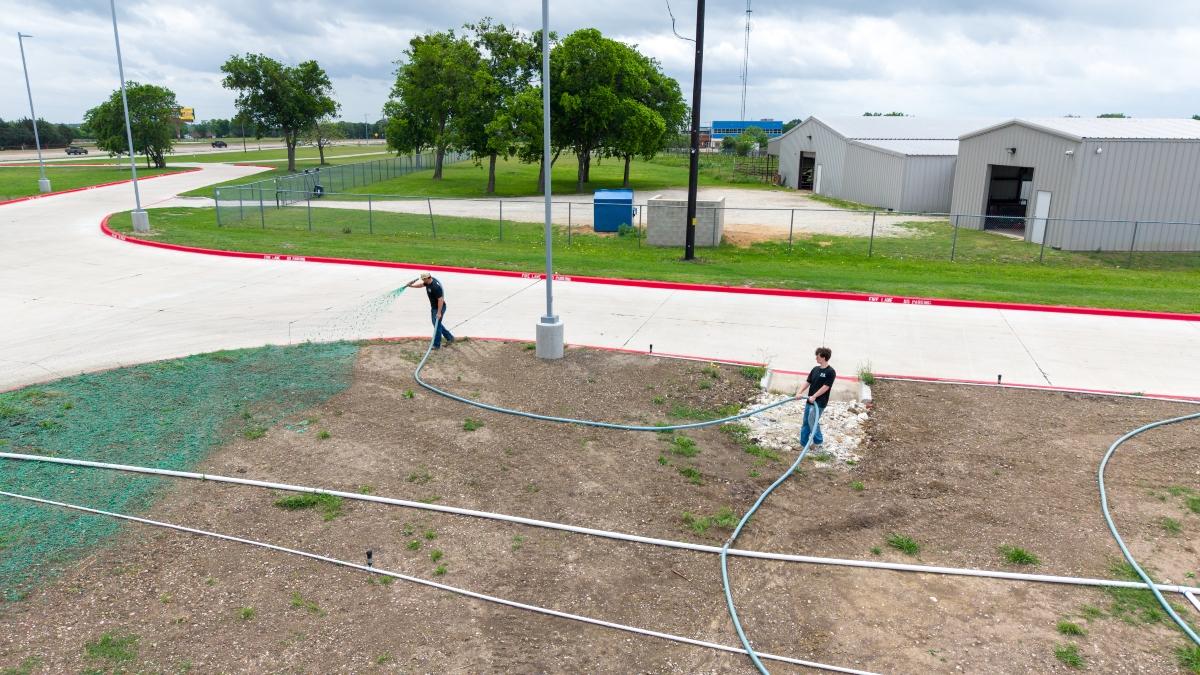
Establishing healthy vegetation in North Texas can be challenging because local landscapes experience intense summer heat, changing rainfall, drought periods, and varying soil conditions. Traditional seeding methods may struggle when exposed seed is moved by wind, washed away by heavy rain, or dried out before germination. Hydroseeding addresses some of these challenges by combining seed with water, mulch, fertilizer, and other materials in a sprayable slurry. Hydroseeding North Texas projects can use this carefully prepared mixture to improve seed distribution and provide a more supportive environment for early growth. Understanding how the slurry interacts with local soil explains why professional application and preparation are so important.
What Hydroseeding Slurry Actually Contains
Hydroseeding slurry is more than simply grass seed mixed with water. A typical mixture can contain selected seed, water, fiber mulch, fertilizer, and, when appropriate, soil amendments or tackifying materials. Each component serves a particular purpose during the early stages of establishment. Water helps distribute the materials across the prepared surface, while mulch can provide protection and moisture retention around developing seed. Fertilizer and amendments may support initial plant development when they are appropriate for the site's soil conditions.
The exact formula should not be identical for every property. Different grass species have different establishment requirements, and North Texas properties can vary considerably in soil type, sunlight, drainage, and intended use. A residential lawn may need a different mixture from a commercial development, pasture, roadside slope, or erosion-control area. Professional contractors can adjust the seed blend and supporting materials according to the project's objectives. This customized approach is one reason site assessment is an important part of quality hydroseeding.
How the Slurry Interacts With North Texas Soil
After the hydroseeding mixture is sprayed, the slurry settles across the prepared soil surface. The seed needs adequate contact with the soil so that moisture and other conditions can support germination. The mulch remains around the seed and creates a protective layer that can help reduce direct exposure to wind and rainfall. As the seed absorbs moisture, biological processes begin that eventually lead to germination and root development. The success of this process depends on suitable temperatures, moisture, oxygen, seed quality, and soil conditions.
North Texas soil can present specific challenges that influence how the slurry performs. Construction sites may have compacted ground, while some properties may contain heavy clay or areas with inconsistent drainage. Compaction can limit root penetration and reduce the movement of air and water through the soil. Poor drainage can create excessive moisture in some locations while leaving other areas too dry. Proper preparation before slurry application helps create more consistent conditions for germination and root development.
The Role of Fiber Mulch
Fiber mulch is a central part of many hydroseeding mixtures because it helps protect the seedbed during the vulnerable establishment period. Once sprayed, the fibers form a layer across the soil surface and around the seed. This layer can help slow moisture loss and reduce the direct impact of rainfall on loose soil. It may also help reduce wind-related movement of seed from the prepared surface. In hot North Texas conditions, these characteristics can be especially useful because exposed soil can lose moisture quickly.
Mulch does not independently make grass grow, and it should not be viewed as a replacement for irrigation. Seeds still require adequate moisture and appropriate environmental conditions to germinate. The mulch simply helps create a more favorable microenvironment around the seed. As the grass begins growing, roots become increasingly important for stabilizing the soil and supporting the plants. Properly selected and applied mulch therefore works as one component of a larger establishment system rather than as a standalone solution.
Why Water Is Critical to the Process
Water plays several roles in hydroseeding, beginning with the preparation and application of the slurry. It allows the seed, mulch, and other materials to be mixed and sprayed evenly across the designated area. After application, moisture becomes essential for activating the germination process and supporting early root development. North Texas weather can make this particularly challenging because high temperatures can increase evaporation. Maintaining suitable moisture during the early stages requires careful irrigation and monitoring.
Water management needs to be balanced because excessive irrigation can also create problems. Heavy watering can produce runoff, disturb the slurry, expose seed, or contribute to erosion on sloped surfaces. Insufficient watering can allow the seedbed to dry before germination is complete. The appropriate irrigation schedule depends on grass type, soil characteristics, weather, slope, and drainage. Professional contractors should provide site-specific guidance rather than recommending exactly the same watering routine for every project.
Seed Selection and Germination Science
The science of hydroseeding ultimately depends on the biological requirements of the selected plant. Seeds need appropriate temperature, moisture, oxygen, and viable growing conditions to transition from dormancy into active germination. Once germination begins, roots grow into the soil while shoots move toward the surface and sunlight. Different grass species have different temperature ranges and growth patterns, so seed selection must reflect local conditions. Choosing a variety that is poorly suited to the property can reduce the effectiveness of an otherwise well-executed hydroseeding application.
For North Texas landscapes, warm-season grasses are commonly considered because many are adapted to hot summer conditions. Bermuda grass, zoysia, and buffalo grass may be suitable for certain properties, while other situations may call for different species or blends. The appropriate choice depends on sunlight, water availability, soil, intended use, and desired appearance. Pastures also have different requirements from residential lawns. A professional evaluation can help match seed biology with the property's environmental and functional needs.
Soil Preparation Determines How Well the Slurry Performs
Even a carefully formulated slurry cannot overcome severely unsuitable soil. Before application, contractors should inspect the surface for compaction, debris, rocks, unwanted vegetation, poor grading, and drainage problems. Loosening compacted soil can improve seed-to-soil contact and create more favorable conditions for root growth. Grading can also help direct water appropriately and reduce areas where runoff may damage the new seedbed. These preparation steps provide the physical foundation for the biological processes that follow.
Soil testing can provide additional information when conditions are uncertain. A test may identify nutrient deficiencies or pH characteristics that could affect grass development. Based on the results, appropriate amendments can sometimes be incorporated into the project. However, amendments should be selected based on actual soil needs rather than added unnecessarily. Professional preparation combines physical and chemical considerations to create an environment where the selected seed can establish effectively.
Hydroseeding and Erosion Protection
The interaction between slurry, mulch, soil, and developing roots can also support erosion management. Immediately after application, mulch provides temporary surface protection while the vegetation is still developing. As roots grow, they begin to anchor soil particles and create a more stable vegetated surface. Established vegetation can also slow surface water movement and help reduce the amount of soil displaced during rainfall. This is particularly valuable on construction sites, graded properties, slopes, and other areas where bare soil is vulnerable.
Hydroseeding should nevertheless be considered part of an overall erosion-control strategy when a site has significant drainage or slope concerns. Construction projects may require additional measures such as erosion-control blankets, sediment barriers, drainage improvements, or other engineered solutions. The appropriate combination depends on site characteristics and project requirements. A qualified contractor should evaluate these conditions before recommending hydroseeding alone. Using multiple complementary measures can provide stronger protection during the period when vegetation is becoming established.
What Happens After the Slurry Is Applied?
The hydroseeding process continues long after the spraying equipment leaves the property. During the first stage, moisture supports the seed as it begins to germinate. Small shoots gradually emerge, followed by root development that anchors the plants into the soil. The speed of this process varies depending on grass species, temperature, moisture, soil conditions, and sunlight. Some areas may develop faster than others, so property owners should monitor the entire site rather than judging success from a single section.
Once vegetation becomes established, maintenance shifts toward normal lawn or landscape care. Mowing should begin at an appropriate height for the selected grass, while irrigation should gradually reflect the plant's developing root system and seasonal conditions. Fertilization and weed management should also be handled according to the grass and soil requirements. Newly established vegetation should not be subjected to excessive traffic or grazing before it has developed sufficient strength. Consistent aftercare protects the investment made during the initial hydroseeding application.
Choosing a Professional Hydroseeding Provider
Property owners researching residential hydroseeding near me should look beyond basic proximity when selecting a contractor. Local knowledge can be useful because North Texas weather, soil conditions, and seasonal patterns can influence seed establishment. Ask prospective contractors about their experience with similar properties, seed varieties, soil preparation methods, mulch selection, application rates, and irrigation recommendations. A knowledgeable company should explain why its proposed mixture is appropriate for the specific site. This level of detail can help distinguish professional planning from a one-size-fits-all approach.
It is also wise to request a written estimate that clearly identifies preparation, materials, application, and any additional services. Ask about expected establishment timelines and factors that could influence the final result. Experienced contractors should acknowledge that weather and maintenance can affect germination rather than promising unrealistic outcomes. Reviewing previous projects or references can provide additional evidence of workmanship. Choosing a provider based on expertise and transparency can help property owners achieve better long-term value from their hydroseeding project.
Final Thoughts
The science behind hydroseeding is based on creating favorable conditions for seed germination while protecting the soil and seed during early development. Water distributes the mixture, mulch helps provide surface protection and moisture retention, seed supplies the vegetation, and soil nutrients support growth when properly managed. Hydroseeding North Texas properties requires particular attention to heat, moisture, soil characteristics, and grass selection. Proper preparation and irrigation are just as important as the slurry itself. When these elements work together, hydroseeding can provide an efficient method for establishing vegetation across many types of properties.
For homeowners, developers, and land managers, understanding the science makes it easier to evaluate hydroseeding proposals and maintenance recommendations. If you are comparing providers after searching for residential hydroseeding near me, ask questions about soil preparation, seed selection, mulch, irrigation, and local experience. The strongest results come from matching the biological needs of the grass with the physical and environmental characteristics of the site. With professional planning, suitable materials, and consistent aftercare, hydroseeding can provide a practical foundation for healthy and resilient North Texas landscapes.

 English
 Arabic
 French
 Spanish
 Portuguese
 Deutsch
 Turkish
 Dutch
Dutch
 Russian
 Romaian
 Portuguese (Brazil)
 Greek
Greek
