Liposuction is a body-contouring procedure that removes localized fat deposits from specific areas of the body. It is designed to improve body proportions and contours rather than serve as a general weight-loss treatment. For people considering liposuction in riyadh, understanding each stage of the procedure can make the treatment process easier to understand and help set realistic expectations.
Step 1: Initial Consultation
Discussing Your Goals
The process begins with a consultation where you can explain which areas of your body you would like to improve. Your surgeon will discuss your expectations and determine whether liposuction is appropriate for your goals.
Assessing Your Body
The surgeon may evaluate your skin elasticity, fat distribution, body proportions, medical history, and overall health. This assessment helps create a treatment plan suited to your individual anatomy.
Step 2: Creating a Personalized Treatment Plan
Once your concerns have been assessed, the surgeon identifies the areas that may benefit from fat removal. The treatment plan is designed to create balanced contours rather than simply remove the maximum possible amount of fat.
Step 3: Preparing for the Procedure
Medical Review
Your medical team may review your medications, supplements, allergies, previous procedures, and relevant health information. Providing accurate details is important for safe surgical planning.
Following Preoperative Instructions
You will receive specific instructions about medications, eating and drinking, smoking, and other preparations. These instructions can vary depending on your health and the planned procedure.
Step 4: Preparing the Treatment Area
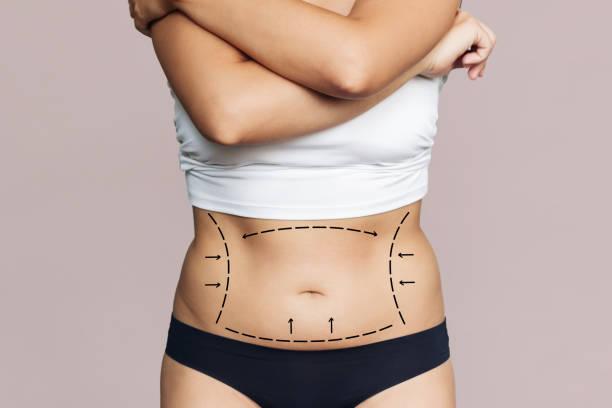
Before liposuction begins, the targeted areas are carefully marked. These markings help the surgeon identify where fat should be removed and where contouring should be preserved.
Step 5: Anesthesia
Liposuction may be performed using different forms of anesthesia depending on the treatment area, extent of the procedure, and medical considerations. Your surgeon and anesthesia team will determine the most appropriate option for you.
Step 6: Making Small Incisions
The surgeon makes small access points near the treatment area. These openings allow the liposuction cannula to be introduced into the underlying fatty tissue.
Step 7: Preparing the Fatty Tissue
Tumescent Technique
In many liposuction procedures, a specialized fluid may be introduced into the treatment area. This can help prepare the fatty tissue for removal and may also help reduce bleeding and discomfort during the procedure.
Careful Tissue Handling
The surgeon works carefully within the targeted fat layer to avoid unnecessary trauma to surrounding tissues and support smoother contouring.
Step 8: Inserting the Cannula
A thin tube called a cannula is inserted through the small incision. The cannula is connected to a suction system that allows the surgeon to remove targeted fat.
Step 9: Removing the Fat
Controlled Movement
The surgeon moves the cannula through the fatty tissue using controlled movements. This helps remove fat gradually rather than creating abrupt changes in the body's contours.
Sculpting the Area
The objective is to create a smooth and proportionate result. The surgeon considers the surrounding areas while removing fat so that the treated region blends naturally with the rest of the body.
Step 10: Checking the Contours
Throughout the procedure, the surgeon evaluates the treated area to assess symmetry and contour. Additional refinement may be performed when necessary to achieve a balanced appearance.
Step 11: Closing the Incisions
Once the desired contour has been achieved, the cannula is removed. The small access points may be closed or managed according to the surgeon's preferred technique and the individual procedure.
Step 12: Immediate Recovery
Monitoring After Surgery
After the procedure, you will be monitored as you recover from anesthesia. The medical team will provide instructions regarding wound care, movement, medications, and other aspects of recovery.
Compression Garments
Depending on the treatment plan, your surgeon may recommend a compression garment. It can help support the treated areas during the recovery period.
Step 13: Managing Early Swelling and Bruising
Swelling, bruising, tenderness, and temporary changes in sensation are common after liposuction. These effects can make the treated area look different from the expected final result during the early recovery stage.
Step 14: Gradual Return to Activities
Recovery varies from person to person. Gentle movement may be encouraged, while strenuous exercise and demanding physical activities should be avoided until your surgeon confirms that they are safe.
Step 15: Follow-Up Appointments
Follow-up visits allow your surgeon to monitor healing and evaluate the developing contours. These appointments are also an opportunity to discuss any concerns that arise during recovery.
When Do Results Become Visible?
Early Changes
Some improvement may be noticeable as swelling begins to decrease, but the initial appearance does not represent the final outcome.
Developing Results
As fluid retention decreases and tissues settle, the treated areas gradually become more defined. The timing varies according to the treatment area, extent of liposuction, and individual healing response.
What Happens to the Removed Fat Cells?
Liposuction physically removes fat cells from the treated area. These particular cells do not grow back, but remaining fat cells can become larger if significant weight gain occurs later.
Is Liposuction Permanent?
The fat cells removed during the procedure are permanently removed, but this does not mean body contours can never change. Aging, weight fluctuations, pregnancy, and lifestyle factors can affect body shape over time.
Why Skin Elasticity Matters
Skin elasticity influences how well the skin adapts after fat removal. Patients with good skin elasticity may experience smoother adaptation, while significant loose skin may require a different or additional treatment approach.
Which Areas Can Be Treated?
Depending on individual suitability, liposuction may be used to contour areas such as the abdomen, waist, hips, thighs, arms, back, and beneath the chin. The treatment area is selected according to the patient's anatomy and goals.
Is Liposuction Right for Weight Loss?
Liposuction is not intended to replace healthy eating, physical activity, or medically supervised weight-management programs. It is primarily used to improve localized areas of fat that remain despite lifestyle efforts.
Factors That Can Influence Results
Body Shape
Natural body proportions influence how fat removal changes the overall appearance.
Skin Quality
Elasticity and skin condition can affect how smoothly the treated area adapts.
Healing Response
Every person's recovery is different. Swelling and tissue settling can affect how quickly the final contours become visible.
Lifestyle
Maintaining a relatively stable weight and following healthy habits can help support long-term body contours.
Choosing a Qualified Surgeon
Selecting a qualified and experienced surgeon is an important part of the liposuction process. Look for appropriate credentials, relevant experience, safe surgical facilities, and a surgeon who explains the procedure, risks, recovery, and expected results clearly. If you are researching Liposuction in Riyadh, a detailed consultation can help you evaluate whether the procedure is suitable for you.
Setting Realistic Expectations
Liposuction can improve localized fat deposits and body contours, but it is not designed to create perfection or guarantee a specific body shape. The outcome depends on your anatomy, skin quality, treatment area, surgical technique, and healing process.
Making an Informed Decision
Understanding liposuction step by step can help you approach the procedure with greater confidence. From the initial consultation and treatment planning to fat removal, recovery, and follow-up care, every stage plays a role in the overall experience. If you are considering Liposuction in Riyadh, discussing your goals with a qualified medical professional can help you determine whether liposuction is an appropriate option.
Book an Appointment
If you are interested in liposuction and want to learn more about the procedure and its suitability for your body-contouring goals, Royal Clinic Saudia can provide an opportunity to discuss your concerns with a qualified medical professional. A personalized consultation can help explain the treatment process, recovery, and expected results.
FAQs:
What is the first step in a liposuction procedure?
The first step is a consultation where your goals, health, body shape, and treatment areas are evaluated.
How is fat removed during liposuction?
A thin cannula is inserted through small incisions to loosen and suction targeted fat deposits.
Is recovery after liposuction immediate?
No. Swelling, bruising, and tenderness are common, and the body needs time to heal and reveal the developing contours.
Are liposuction results permanent?
Removed fat cells do not return, but remaining cells can enlarge with significant weight gain, potentially changing the results.




 Arabic
 French
 Spanish
 Portuguese
 Deutsch
 Turkish
 Dutch
Dutch
 Italiano
 Russian
 Romaian
 Portuguese (Brazil)
 Greek
Greek
