


Manufacturing Technology for Reliable Energy Networks
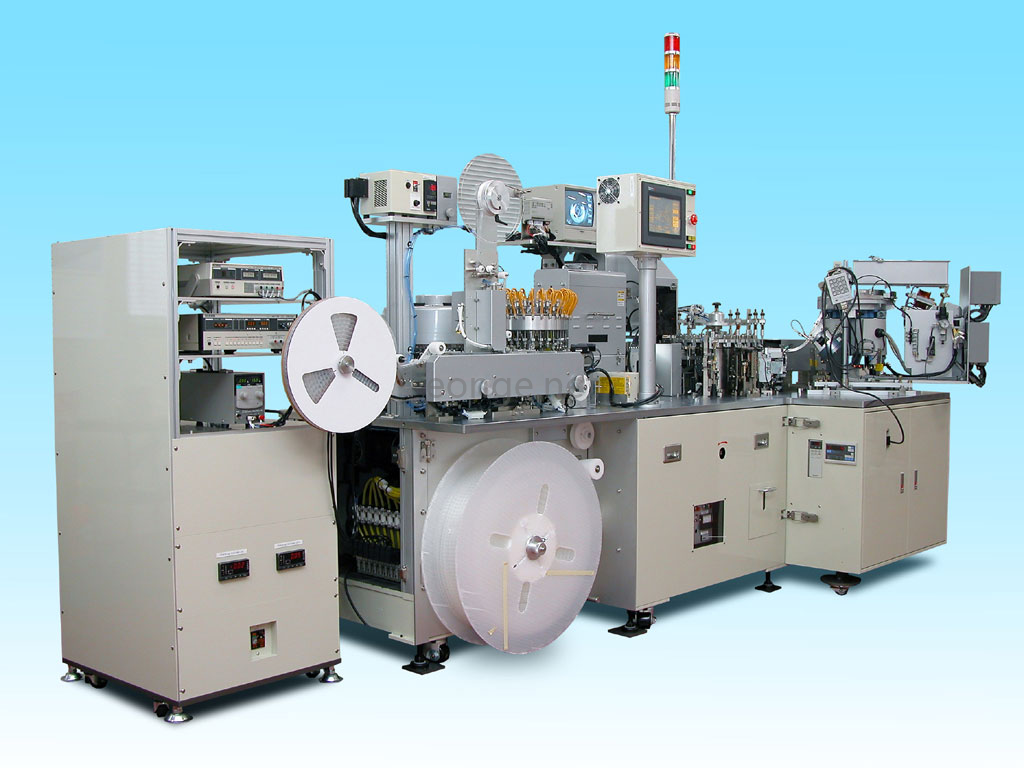
Modern electrical networks require technologies that can coordinate electrical energy more effectively as infrastructure becomes increasingly interconnected. From a material and technology perspective, the Reactive Power Compensation Device combines conductive components, dielectric materials, control technology, thermal engineering, and precision manufacturing within an integrated electrical solution. Its development requires attention to both individual component performance and the way different technologies interact inside a complete power management structure.
Material selection provides the foundation for reliable electrical equipment. Conductive materials must offer suitable electrical characteristics while maintaining mechanical stability and resistance to environmental influences. Engineers also evaluate insulation materials according to dielectric performance, thermal behavior, moisture resistance, and aging characteristics. Careful material selection helps create compatible structures in which conductive and insulating components can operate together consistently.
Dielectric materials are particularly relevant when capacitive elements are integrated into power management equipment. Modern polymer films and composite insulation systems are developed to maintain electrical separation while resisting environmental stress. Material formulation and processing techniques can influence surface quality, mechanical strength, and long-term stability. Engineers therefore consider dielectric behavior throughout both design and manufacturing.
Structural engineering connects individual materials into a stable assembly. Electrical equipment may contain conductive paths, insulation layers, control components, support structures, and protective housings. Each component must remain correctly positioned while accommodating mechanical and thermal influences. Engineers analyze connection interfaces and structural relationships to distribute forces more evenly and reduce stress concentration around sensitive components.
Intelligent control technology adds an important functional layer. Modern electrical equipment can integrate sensing and control functions to observe operating conditions and coordinate system responses. Digital control architecture allows information from electrical components to be processed and used within predefined operating strategies. Reliable control depends on stable electronic components, suitable communication structures, and accurate manufacturing.
Thermal management remains an important consideration because electrical components generate heat during operation. Temperature changes can influence material characteristics, electronic components, and insulation systems. Engineers study heat transfer through conductive paths, dielectric structures, support components, and protective housings. Appropriate material selection and structural design help create more balanced thermal conditions within the equipment.
Environmental adaptability also affects product development. Electrical equipment may be installed in locations where humidity, dust, vibration, temperature changes, or other environmental factors are present. Protective structures and surface materials can reduce the influence of these conditions on internal components. Engineers evaluate sealing methods and protective materials according to their compatibility with electrical and mechanical structures.
Precision manufacturing transforms engineering requirements into consistent physical assemblies. Controlled material processing, automated component assembly, accurate structural integration, and systematic inspection can improve production consistency. Manufacturing precision is important because variations in component characteristics may affect electrical and control behavior. A stable production process therefore supports both product reliability and engineering repeatability.
Quality assurance extends throughout the manufacturing lifecycle. Manufacturers can evaluate incoming materials, monitor processing conditions, inspect component interfaces, and verify finished assemblies through controlled procedures. Automated inspection systems and digital production management can provide additional process visibility. Data collected during manufacturing can help identify variations and support continuous improvement.
Sustainability is becoming an important consideration in modern power equipment. Efficient material utilization, reduced manufacturing waste, and longer product lifecycles can contribute to responsible infrastructure development. Intelligent electrical management can also support more informed operation of existing equipment by providing better visibility into system conditions. These approaches connect technological development with broader resource efficiency goals.
Digital manufacturing further strengthens the relationship between engineering and production. Computer-aided design, automated process monitoring, intelligent inspection, and production data analysis can help manufacturers refine structures and improve consistency. Digital tools also support closer cooperation between material research, electrical engineering, manufacturing, and quality management.
Future energy infrastructure will increasingly require electrical equipment capable of combining advanced materials with intelligent control and precise manufacturing. Research into dielectric systems, conductive technologies, sensor integration, thermal structures, and automated production will continue expanding the possibilities for modern power management.
As electrical networks become more dynamic, material engineering and intelligent manufacturing will remain central to dependable power equipment. The Reactive Power Compensation Device demonstrates how conductive materials, dielectric technology, intelligent control, structural engineering, and precision manufacturing can work together within contemporary electrical applications, while Shanghai Yongjin Electric Technology Co.,Ltd. continues developing professional electrical technologies and manufacturing capabilities, with further product information available through https://www.eonge.net/product for evolving power infrastructure.

 English
 Arabic
 French
 Spanish
 Portuguese
 Deutsch
 Turkish
 Dutch
Dutch
 Italiano
 Russian
 Portuguese (Brazil)
 Greek
Greek
