


Hair transplant Maintenance Tips: How to Care for Your New Hair
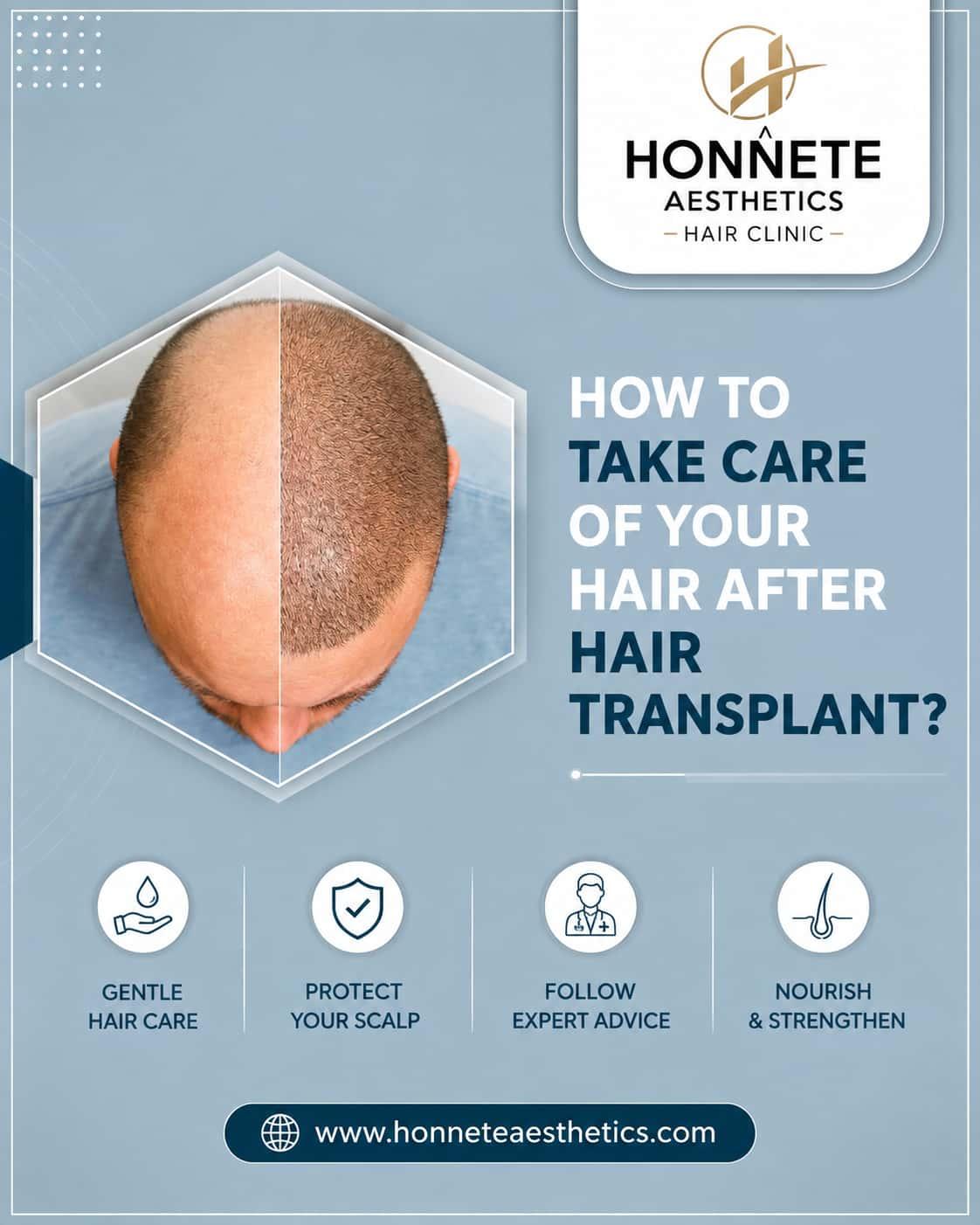
How to take care of your hair after a hair transplant
- Follow your surgeon’s instructions during the first few days because grafts need protection while healing.
- Use only recommended products, avoid scratching, and attend reviews.
- This careful natural hair care helps reduce avoidable problems.
- Keep hands clean before approaching the scalp, and never pick crusts or scabs. Your clinic may recommend gentle cleansing to remove oil, fluid, and debris without friction. This routine supports natural hair care and protects healing skin.
Tips for post hair transplant care
Keep the newly grafted area moist
- Apply only the spray, saline, or moisturizer recommended by your surgeon. Moisture can reduce dryness and discomfort; excessive rubbing or unapproved creams may irritate healing skin. Professional Hair treatment may be recommended when appropriate.
Gentle hand washing
- Wash with lukewarm water and mild cleanser as directed. Use fingertips gently rather than nails, supporting natural hair care; avoid high-pressure shower spray, then pat the scalp dry. Visit Us honneteaesthetics.com
Sleeping semi-upright
- Sleep with your head elevated during early recovery. This reduces accidental rubbing or pressure on grafts while you rest, helping maintain comfort and protect sensitive areas during the initial healing period.
Keep any swelling and irritation to a minimum
- Mild swelling, tightness, redness, or tenderness can occur after surgery.
- Follow prescribed medicines and cooling instructions; contact your medical team if symptoms worsen.
- Prompt assessment can prevent minor concerns from becoming more serious.
Avoid vigorous exercise after hair transplant surgery
- Pause strenuous workouts, heavy lifting, swimming, and excessive-sweating activities as advised.
- Resume only after clearance because sweat and friction can disturb healing.
- Gradual activity helps your scalp recover comfortably without unnecessary mechanical stress.
A softer hairstyle works better than harsh up-dos.
- Choose loose styles and avoid tight ponytails, extensions, chemicals, or excessive heat. Gentle styling reduces traction.
- Consistent natural hair care remains valuable after healing, especially when native hair is vulnerable to continued thinning.
Importance of Diet After Hair Transplant Surgery
- Prioritize protein, iron-rich foods, zinc, healthy fats, fruits, vegetables, and adequate water unless your doctor advises otherwise. Balanced nutrition supports tissue repair and follicle function. Healthy eating also supports overall scalp condition.
- Food alone cannot guarantee regrowth. Correct deficiencies with professional guidance rather than taking high-dose supplements independently.
- Your clinician can recommend tests or dietary changes when deficiencies are suspected, especially after restrictive diets or nutritional concerns.
Precautions After Hair Transplant Surgery
- Protect the scalp from direct sun, dust, unnecessary touching, and impact during healing.
- Follow medication instructions and report bleeding, pus, fever, increasing pain, or spreading redness.
- Avoid activities that place unnecessary pressure on recovering grafts.
- Do not apply dyes, oils, strong styling products, or home remedies until your surgeon approves them.
- A planned Hair treatment routine should begin after recovery.
- Professional Hair treatment should match your scalp’s condition and healing progress.
How to Keep Hair Healthy After Hair Transplantation?
- Maintain gentle cleansing, hydration, balanced nutrition, regular sleep, and stress management after recovery.
- These habits support scalp health and can complement Hair loss treatment for ongoing thinning.
- Follow-up may determine whether additional Hair loss treatment is appropriate.
- Transplanted follicles may grow long-term, but native hair can still thin.
- Continue follow-up and discuss Hair fall treatment when loss continues.
- Earlier Hair fall treatment may help protect density. Ongoing Hair fall treatment should follow medical advice.
Get the best hair transplant treatment at Honnete aesthetics Hair Transplant Hospital
- An experienced team matters for diagnosis, donor assessment, graft planning, technique, and follow-up.
- Honnete aesthetics Hair Transplant Hospital can provide guidance tailored to hair-loss patterns and recovery needs.
- The team can explain services and follow-up. Honnete aesthetics Hair Transplant Hospital provides ongoing support when follow-up is needed.
- Ask about candidacy, density, risks, aftercare, timelines, and maintenance. Consultation can distinguish surgical needs from conditions suited to non-surgical Hair treatment or Hair loss treatment.
- A clinician can individualize Hair treatment for native hair. Honnete aesthetics Hair Transplant Hospital can clarify expected recovery.
Question And Answer
How should I care for my hair after a hair transplant?
- Follow washing, medication, sleeping, and activity instructions. Keep the scalp clean, protect grafts, avoid unapproved products, and report unusual symptoms.
- These precautions support healing and reduce the chance of avoidable irritation during recovery.
Can I touch my grafts after 7 days?
- Around seven days, grafts are usually more secure, but healing varies.
- Touch gently and ask your surgeon before stronger manipulation.
- After Hair transplant surgery, individual recovery timelines should always guide decisions about scalp contact.
What happens 10 years after a hair transplant?
- Donor follicles can produce hair for years, but native hair may recede.
- Long-term monitoring and Hair fall treatment can help manage progressive thinning.
- Continued Hair fall treatment may be considered when ongoing loss affects overall density.
Can I wash my hair after 7 days of a hair transplant?
- Many patients can resume progressive washing by this stage, but timing varies. Follow your surgeon’s method and avoid aggressive scrubbing.
- Proper cleansing protects the scalp while allowing recovery to continue without unnecessary irritation or friction.
After hair transplant side effects
- Temporary redness, swelling, itching, tenderness, numbness, or small scabs can occur. Most improve gradually. Severe pain, fever, pus, bleeding, or worsening inflammation requires prompt medical assessment. Discuss Hair fall treatment only after the cause is identified.
When can I rub my head after hair transplant
- Avoid vigorous rubbing until your surgeon confirms healing. Gentle pressure remains preferable, making natural hair care safer.
- Long-term natural hair care should avoid traction and scratching. Your clinician may combine it with suitable Hair treatment for overall scalp care.
- After recovery, continue routine natural hair care through gentle scalp cleansing and avoid repeated traction from tight styling.
- Regular clinical reviews can identify changes in native hair early. Protecting overall density often requires timely professional evaluation when new thinning becomes noticeable.
- Patience is essential because follicles follow their own growth cycle, and final density develops gradually over several months.
Conclusion
- Successful results depend on more than surgery; consistent aftercare protects healing follicles and supports recovery.
- Follow your surgeon’s instructions, maintain nutrition, wash gently, avoid friction and strenuous activity during early healing, and attend follow-ups.
- Native hair can still thin over time, so medical review and appropriate Hair loss treatment can help preserve density and maximize value with Hair loss treatment for your confidence.

 English
 Arabic
 Spanish
 Portuguese
 Deutsch
 Turkish
 Dutch
Dutch
 Italiano
 Russian
 Romaian
 Portuguese (Brazil)
 Greek
Greek
