


What to Consider When Selecting Lamination Film Materials
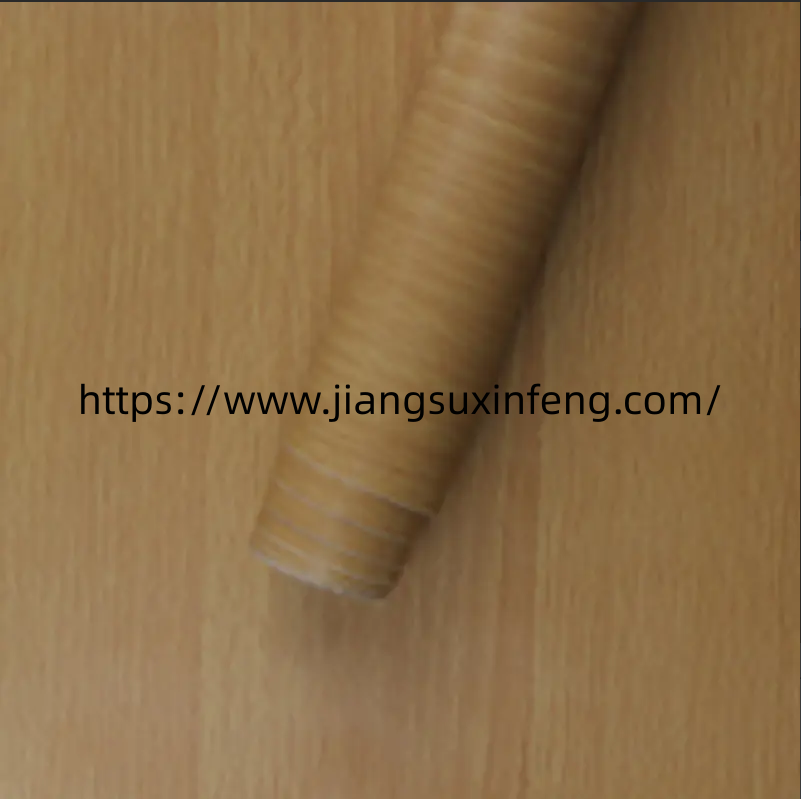
Surface finishing plays an important role in protecting printed graphics, decorative panels, furniture surfaces, and other products from everyday handling. When evaluating PVC Lamination Film, manufacturers and users should consider material composition, surface compatibility, lamination methods, handling characteristics, maintenance requirements, and visual effects rather than viewing the film only as a protective layer. Jiangsu Xinfeng Star Film Materials Co., Ltd. provides a practical manufacturing perspective for understanding how flexible film materials can support different surface-finishing applications.
Material selection is the foundation of a successful lamination system. PVC can be processed into flexible films with different surface characteristics, allowing manufacturers to develop materials for decorative, protective, and functional applications. The film structure, surface treatment, adhesive or bonding system, and finish can all influence how the laminated product behaves during production and use.
The intended substrate should be considered carefully before purchasing. Lamination materials may be applied to printed graphics, furniture panels, decorative boards, signage, interior surfaces, and other products. These substrates can differ in texture, rigidity, cleanliness, and surface energy. Selecting a film that is compatible with the target surface can help create a more consistent bond and finished appearance.
The printing layer also affects material selection. When a film is placed over printed graphics, its optical characteristics can influence how colors, patterns, and images are perceived. A clear or visually controlled surface can help preserve the character of the underlying design, while different finishes can deliberately change the appearance. Buyers should therefore consider the relationship between the printed layer and the selected film.
Lamination technology is another important factor. The bonding process needs to bring the film and substrate together evenly while avoiding unwanted wrinkles, bubbles, or surface defects. Production conditions, adhesive behavior, surface cleanliness, and equipment configuration can all influence the result. A well-coordinated lamination process can support a cleaner and more stable finished surface.
Surface preparation is equally important. Dust, oil, moisture, and uneven areas can interfere with bonding and create visible imperfections. Cleaning and preparing the substrate before lamination can improve material contact and make the production process more predictable. This is particularly relevant when the laminated product will be viewed closely or used as part of a decorative environment.
The film's flexibility influences how easily it can follow different surfaces. Flat panels may require relatively straightforward application, while shaped edges, corners, or curved areas can create additional challenges. A suitable material should provide enough flexibility for the intended application while maintaining a stable appearance after processing.
Surface finish is a major part of the user and design experience. A glossy finish can create a brighter and more reflective visual effect, while a matte finish may produce a softer appearance. Textured surfaces can introduce depth and help create the visual impression of wood, stone, fabric, or other materials. Choosing the right finish can change how a product interacts with surrounding light and decoration.
Protection is one of the practical reasons for adding a lamination layer. Finished surfaces may encounter fingerprints, dust, friction, moisture, and routine handling. A suitable film can act as an additional surface layer between the printed or decorative material and its environment. This can make the finished product easier to manage during everyday use.
Maintenance requirements should be considered alongside surface appearance. Products installed in frequently handled environments may need regular cleaning, while decorative surfaces in quieter areas may experience less contact. A surface that is easy to wipe and maintain can contribute to a more convenient user experience. Appropriate cleaning methods should always match the characteristics of the finished material.
For manufacturers, converting behavior is another purchasing consideration. Lamination film may need to pass through cutting, trimming, slitting, bonding, or other downstream processes. Consistent material behavior can help reduce unnecessary production adjustments. A stable surface can also support more predictable handling when the laminated material is prepared for final installation or assembly.
Storage and transportation should not be overlooked. Flexible films can be affected by unsuitable environmental conditions, improper handling, or excessive pressure during storage. Organized packaging and careful material management can help preserve surface quality before the film reaches the production stage.
Design flexibility gives laminated surfaces broader application possibilities. Designers can combine printed patterns, colors, textures, and finishes to create distinctive products. Furniture manufacturers may use decorative surfaces to coordinate different components, while interior designers can use laminated materials to create visual continuity between panels and other surfaces.
Appearance can also influence perceived product quality. A smooth and consistent laminated surface can make graphics look more refined and decorative panels appear more finished. When the film, printing layer, substrate, and surrounding design are carefully coordinated, the final product can achieve a more coherent visual identity.
Jiangsu Xinfeng Star Film Materials Co., Ltd. offers a practical reference for businesses evaluating lamination materials through considerations such as film composition, substrate compatibility, bonding technology, surface preparation, flexibility, maintenance, processing, and visual design. More information about its PVC film materials and related solutions is available at https://www.jiangsuxinfeng.com/.

 English
 French
 Spanish
 Portuguese
 Deutsch
 Turkish
 Dutch
Dutch
 Italiano
 Russian
 Romaian
 Portuguese (Brazil)
 Greek
Greek
