


How Anti-Malarial Drugs Help Prevent and Treat Malaria
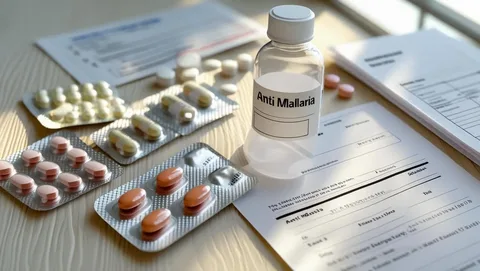
Malaria is still one of the most challenging infectious diseases in large areas of the world, particularly the tropics and subtropics. It is caused by parasites which are passed on when Anopheles spp., infected with the malaria parasite, bite a human. Malaria can cause death if not treated properly. Anti-malarial drugs can be used to fight the infection and prevent the disease.
What Is Malaria?
Malaria is a serious disease that causes death. It is caused by parasites of the Plasmodium group. The parasites are transferred to humans via the bite of infected female mosquitoes of the species of mosquitoes known as Anopheles.
The parasites eventually reach the liver once in the body where they reproduce and then infect red blood cells. This results in symptoms of fever, shivering, sweating, headache and tiredness. In the worst cases people can die from multiple organ failure and complications in the brain.
The Importance of Anti-Malarial Drugs
The anti-malarial drugs have the aim of preventing and treating the disease.
For prophylactics, these drugs are used before, during and after being exposed to malarious regions. For curative purpose they are used to clear the parasite from the body and decrease the symptoms.
It is vital, therefore, that any presentation of suspected malaria is treated with utmost urgency, as without treatment the disease can be extremely debilitating very quickly.
Types of Anti-Malarial Drugs
Several varieties of anti-malarial drugs exist, each aimed at combating the parasite at various points in its life span:
Different drugs are effective in different cases. Some are used for prophylaxis, others are used as therapy for active infection. Selection of appropriate drug depends on factors like parasite, severity of disease, drugs resistance in the country etc.
These (cost, safety, leading to the desired effect etc) are how healthcare providers choose the right drug.
How Anti-Malarial Drugs Prevent Malaria
Prophylaxis, (from Greek thoughts…..., meaning “for fear of”) which is, a preventative, is a particularly important consideration for travelers and residents of high-risk regions.
These drugs preclude the multiplication of the malaria parasites in the human body by killing them off before they get there. Opening the life cycle of the parasite earlier on puts a halt to the development of symptoms.
Daily administration of preventive medication has to be done regularly. Medication should be taken as the prescribed dose and at the right time.
How Anti-Malarial Drugs Treat Malaria
Where infection becomes established, anti-malarial drugs are used to kill the parasites in the blood stream reducing the symptoms and preventing complications.
Treatment is with combination therapy using a variety of drugs, to increase the efficacy and avoid resistance. They act rapidly to diminish parasite count and alleviate the patient‘s condition.
Treatment must be prompt as can result in serious disease.
Common Classes of Anti-Malarial Drugs
There are several classifications of anti-malarial.
Others, such as artemisinin based therapies, rapidly clear parasites through their action on the parasite; they are safe and widely used treatments.14 Other drugs, such as chloroquine, act on parasites in red blood cells.15
Combination therapies may be recommended to improve efficacy and reduce resistance.
Artemisinin-Based Combination Therapy (ACT)
Artemisinin-based combination therapy (ACT) is now one of the most successful and effective treatments for malaria.
ACT is a combination of two types of drugs – fast acting drugs which kill most of the parasite, and final killing drugs which clear up all the remaining parasites.
In many countries, ACT is now recommended as first line treatment for uncomplicated malaria.
Importance of Early Diagnosis
Early diagnosis of malaria is crucial for the successful treatment. If the infection is not diagnosed in early stage, then complications may arise.
Diagnostic methods are blood tests that can show up the presence of the malaria parasites. Rapid diagnostic tests are common in many clinics.
Early treatment is important in preventing the spread of disease.
Drug Resistance: A Growing Challenge
A significant problem in treating malaria is drug resistance. The malaria parasite is an organism that can, over a period, change and develop resistance to certain drugs.
Can also make drugs less effective leading to additional drugs being prescribed. This can be prevented by using combination therapy (patients are given more than one drug) such as ACT.
The proper use of anti-malarial drugs is also critical in preventing the emergence of resistance.
Side Effects and Safety Considerations
An anti-malarial drug is generally safe for use although it can cause adverse side effects in some people.
Side effects include nausea, dizziness, and mild stomach upset. Infrequently, type side effects may occur.
Make sure you follow the medical advice and inform the health professional if there are any unusual signs or symptoms.
Preventive Measures Alongside Medication
There is a choice of anti-malarial drugs available for travelers, however these should be taken in conjunction with protective measures.
The use of mosquito nets, insect repellants, and protective clothing may help prevent mosquito bites. Standing water should be removed from around living areas.
What the European Directives recommend? Combining medication together with these measures is most effective way to render malaria in the European Union.
Special Considerations for High-Risk Groups
Some groups are more susceptible to malaria and should receive extra attention. These are:
Young children
Pregnant women
People with a compromised immune response
The same medications and doses may be recommended for special groups. Preventive treatments are indicated for higher risk groups.
The Role of Public Health Programs
Prevention strategies and effective treatment are essential, and much of this is covered by public health initiatives.
Prevention methods such as distributing mosquito nets, improving access to drugs and informing people about the disease have greatly reduced the number of cases in most places.
A sustained commitment to public health is critical if the global impact of malaria is to be further diminished.
Future of Anti-Malarial Treatments
There is ongoing research into the development of new anti-malarial and vaccines. Researchers are trying to create drugs that are more successful in treating the disease, less dangerous and less prone to resistance.
Progresses in medical science provide hope that malaria will be better controlled and eradicated.
Conclusion
Anti-malarial drugs must be used in both the prevention and treatment of the disease. When used in the battlefield against the parasite, they can be very effective reducing incidence and mortality.
But drug use by itself will not suffice. It is the combination of drug and prevention, early detection and containment, and responsible medication that will ultimately enable us to battle and win against malaria.

 English
 Arabic
 French
 Spanish
 Portuguese
 Deutsch
 Turkish
 Dutch
Dutch
 Italiano
 Russian
 Romaian
 Portuguese (Brazil)
